Healthy Eating Guide
18 Foods That May Help Support Healthy Blood Pressure
This guide looks at 18 whole and minimally processed foods that may fit into a blood pressure-friendly eating pattern. The purpose is simple: to explain what each food provides, how to prepare it without leaning on salt, and where it fits in a balanced, lower-sodium diet. It is a food guide, not a treatment plan.
The foods below are the kinds of foods that show up again and again in heart-healthy dietary guidance, including vegetables, fruit, legumes, whole grains, low-fat dairy, unsalted nuts and seeds, and fish. They are grouped here so you can see the pattern rather than chase a single ingredient.
What Makes a Food Blood Pressure-Friendly?
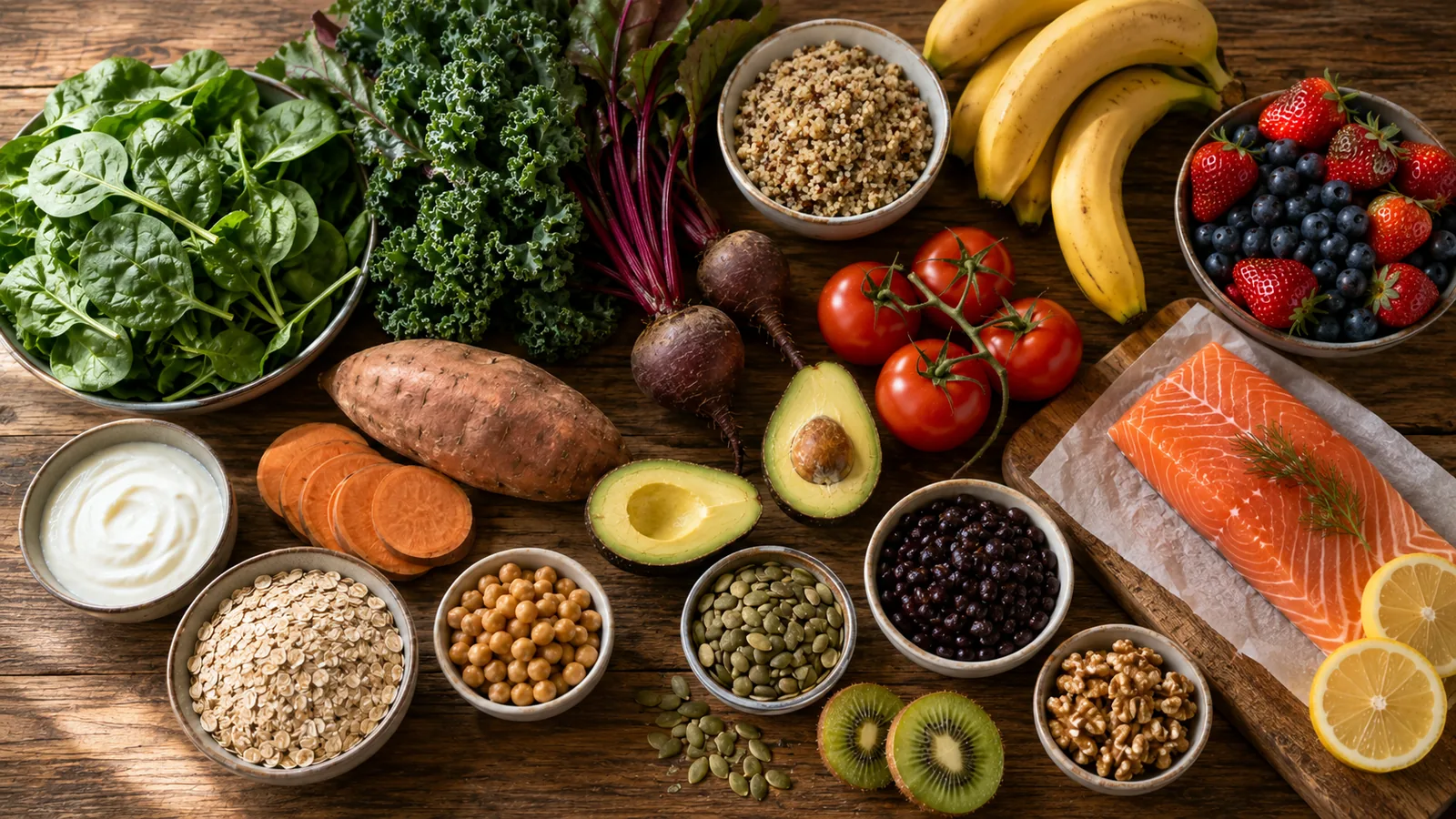
Dietary guidance for blood pressure, including the DASH eating plan from the National Heart, Lung, and Blood Institute, tends to describe patterns rather than single foods. A food that fits that pattern usually has several of the following qualities.
- Naturally low in sodium. Many whole and minimally processed foods are naturally low in sodium. Most sodium in the typical U.S. diet comes from packaged and restaurant foods, according to CDC guidance on sodium rather than the salt added at the table. Preparation and product choice still matter, so compare labels when buying canned, frozen, or packaged foods.
- Provides nutrients emphasized in DASH-style eating patterns. DASH emphasizes foods rich in potassium, calcium, magnesium, fiber, and protein while limiting sodium and saturated fat. A food containing one of these nutrients does not prove that eating more of that food will lower a particular person's blood pressure.
- Fiber-rich and filling. Vegetables, fruit, legumes, and whole grains add fiber and help displace more processed choices.
- Emphasizes unsaturated fats over saturated fats. Heart-healthy guidance from the American Heart Association encourages replacing some saturated fat with unsaturated fat from foods like nuts, seeds, olive oil, avocado, and fish.
- Minimally processed. Whole and minimally processed does not mean raw. Several foods here must be cooked properly before eating.
How We Selected These Foods
This list was built from established heart-healthy and DASH-style eating guidance published by authoritative organizations, including the National Heart, Lung, and Blood Institute, the American Heart Association, the Centers for Disease Control and Prevention, and the Dietary Guidelines for Americans, 2025–2030. Every food chosen is a whole or minimally processed food that appears in those food groups, is generally low in sodium in its plain form, and is realistic to buy and prepare at home.
For each food, we distinguish between the nutrients it contains, the roles those nutrients play in the body, and what research has or has not shown about blood pressure. Those are not interchangeable claims. This guide is based on established dietary guidance and is intended for general education rather than individualized medical advice.
1 of 18
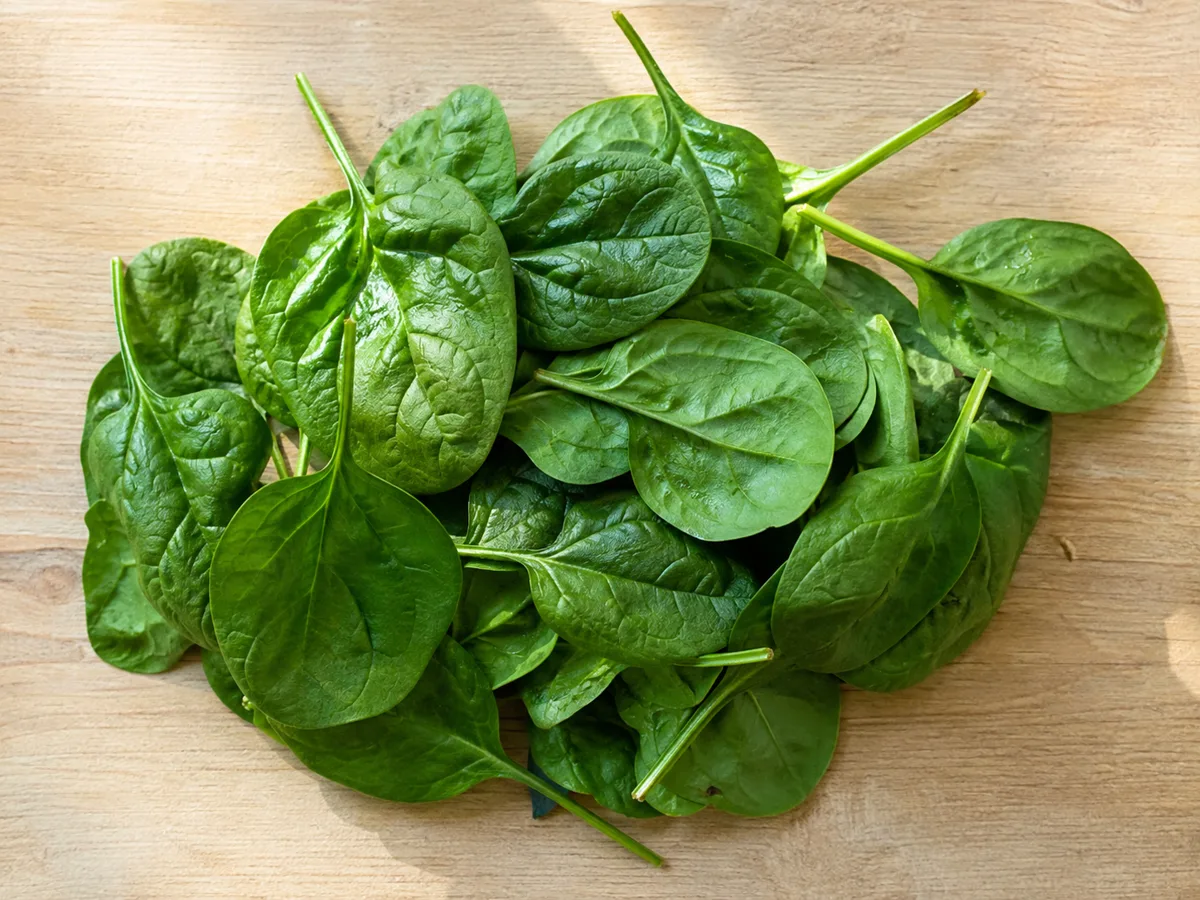
Spinach
Spinach is a leafy green that fits easily into the vegetable-forward eating patterns encouraged by heart-healthy guidance. It is naturally low in sodium in its plain form and can add color and volume to meals without added salt.
What it provides
Spinach provides potassium, magnesium, folate, and dietary nitrate. Potassium is one of several nutrients emphasized in DASH-style eating guidance. The presence of these nutrients does not show that spinach by itself will produce a measurable change in blood pressure, and individual responses vary.Source: NIH Office of Dietary Supplements: Potassium
Simple ways to eat it
Wilt a few handfuls into eggs, soups, or grain bowls at the end of cooking, blend raw spinach into a smoothie, or use it as the base of a salad dressed with olive oil, lemon juice, and black pepper.
Sodium note: Raw spinach and plain frozen spinach are naturally low in sodium. Creamed spinach and pre-seasoned frozen blends may contain substantially more sodium, so compare labels.
Good to know: Spinach is high in vitamin K. If you take warfarin, keep your vitamin K intake consistent and follow your clinician's instructions. Spinach is also high in oxalate, so people with a history of certain calcium oxalate kidney stones may need individualized guidance.Sources: NIH Office of Dietary Supplements: Vitamin K; NIDDK: Eating, Diet, and Nutrition for Kidney Stones
2 of 18
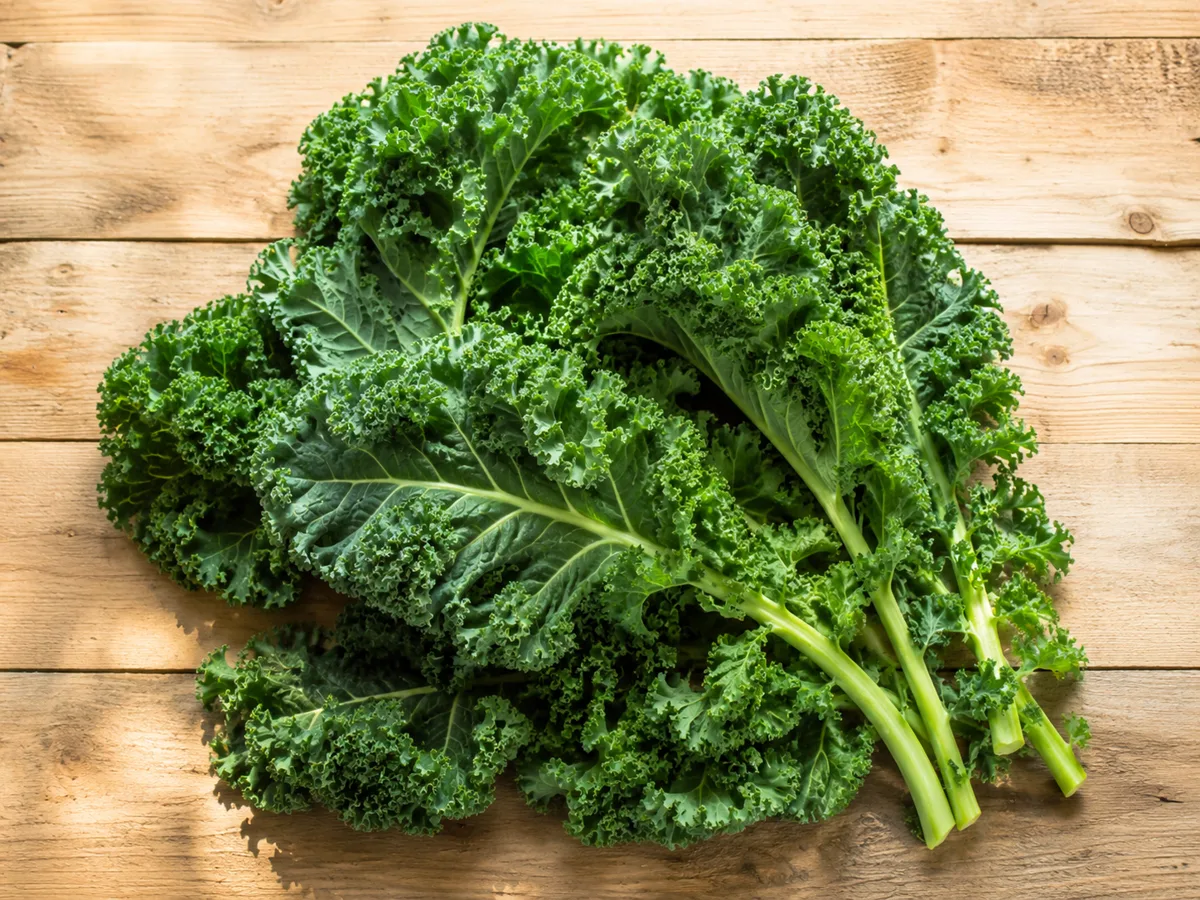
Kale
Kale is another sturdy leafy green that adds volume, color, and fiber to meals without added salt, which makes it a practical building block in a lower-sodium diet.
What it provides
Kale provides potassium, calcium, magnesium, fiber, and vitamin C. These nutrients help kale fit within a DASH-style eating pattern, but kale itself is not a treatment for high blood pressure.
Simple ways to eat it
Massage chopped raw kale with olive oil and lemon for salads, stir it into soups and stews, or roast it briefly on a sheet pan with a little oil and seasonings without added salt.
Sodium note: Packaged kale chips and prepared kale salads may contain substantial added sodium. Preparing plain kale at home without added salt helps keep the sodium lower.
Good to know: Kale is high in vitamin K. If you take warfarin, keep your vitamin K intake consistent and follow your clinician's instructions.Source: NIH Office of Dietary Supplements: Vitamin K
3 of 18
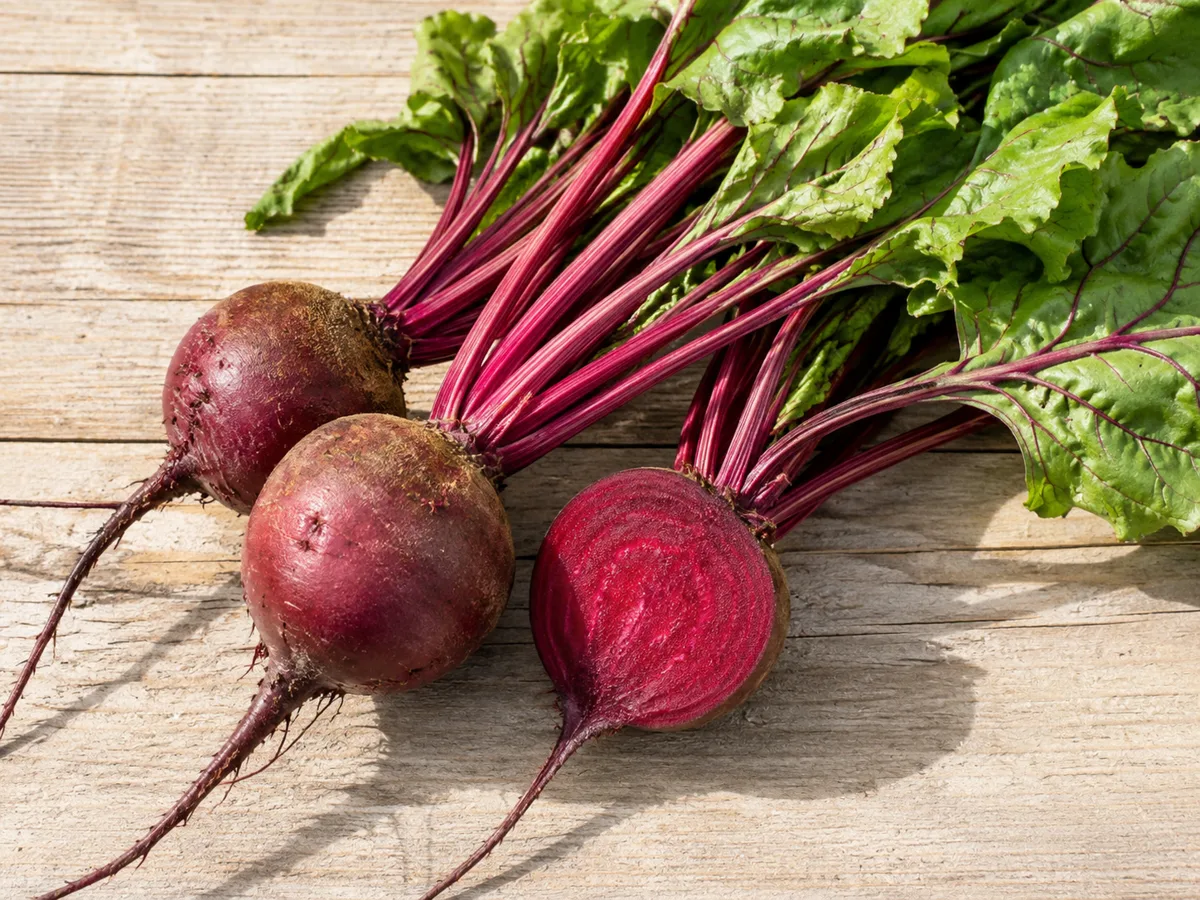
Beets
Beets are frequently discussed in the context of heart health because they are a notable source of dietary nitrate, and they add natural sweetness to meals without added salt or added sugar.
What it provides
Beets provide dietary nitrate, potassium, folate, and fiber. The body can convert dietary nitrate into nitric oxide, which helps regulate blood-vessel tone. Some studies of concentrated beetroot juice have reported modest blood-pressure changes, but results vary, and beetroot juice is not equivalent to simply eating a serving of beets. Treat beets as one food within a larger eating pattern rather than as a remedy.Source: Systematic review of beetroot juice and blood pressure (PMID 35369064)
Simple ways to eat it
Roast whole beets until tender and slice them into salads, grate them raw into slaws, or blend cooked beets into a smoothie with berries.
Sodium note: Plain fresh or plain cooked beets are naturally low in sodium. Pickled beets are usually packed in a salty brine, so compare labels.
Good to know: Beets may temporarily turn urine or stool pink or red. If the color is unexplained, persistent, or accompanied by other symptoms, contact a clinician rather than assuming it is from food. If you take medication for blood pressure, talk with your clinician before adding concentrated beet juice or beet supplements.
4 of 18
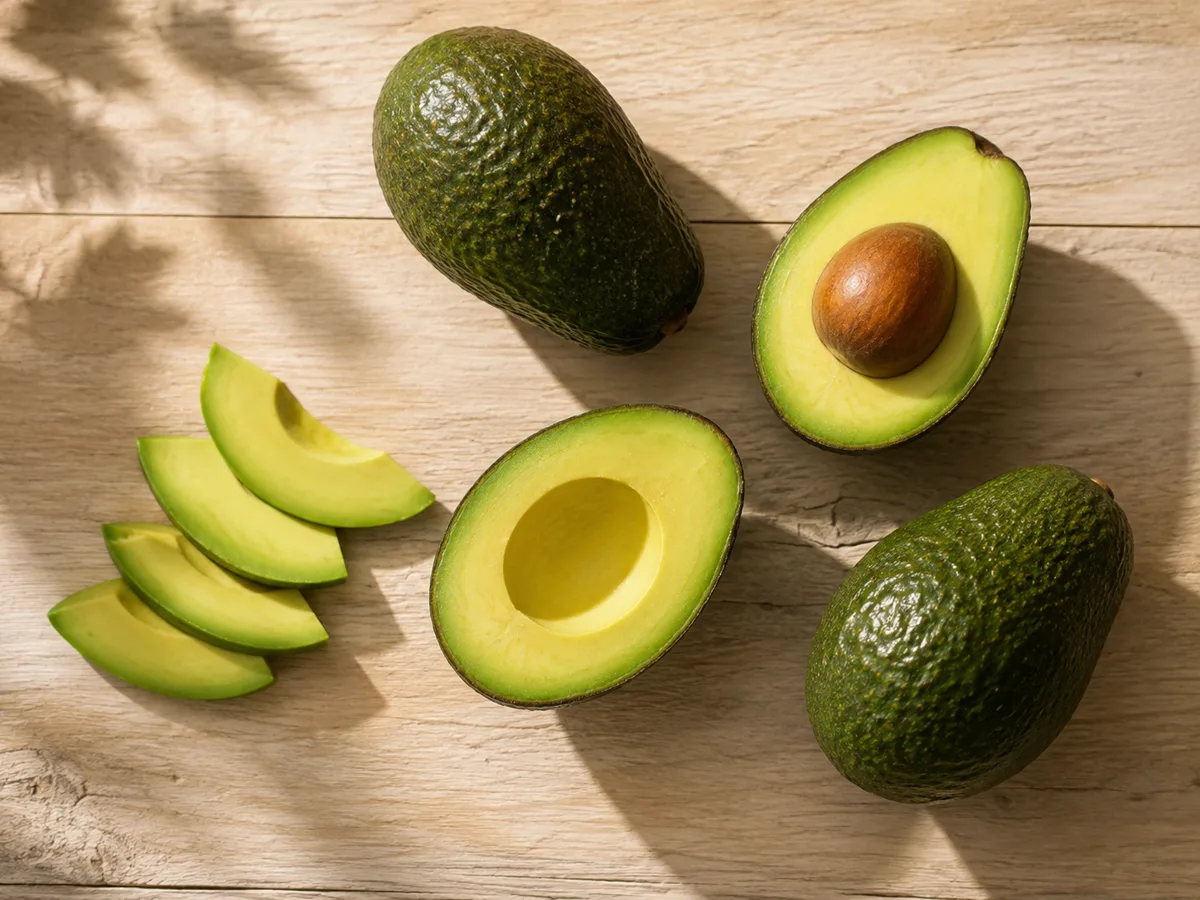
Avocado
Avocado is a whole food source of unsaturated fat, and heart-healthy eating guidance encourages replacing some saturated fat with unsaturated fat. It also makes lower-sodium meals taste rich and satisfying.
What it provides
Avocado provides monounsaturated fat, potassium, magnesium, and fiber. It can add richness and texture to meals without relying heavily on salty sauces or dressings.
Simple ways to eat it
Mash it onto whole grain toast with lemon and black pepper, slice it over a grain bowl, or blend it into a smoothie for creaminess without added salt.
Sodium note: Plain avocado is naturally low in sodium. Prepared guacamole and avocado dips may contain added salt, so compare labels.
Good to know: If you have been told to limit potassium because of kidney disease, discuss high-potassium foods with your clinician.Source: National Institutes of Health, Office of Dietary Supplements: Potassium
5 of 18
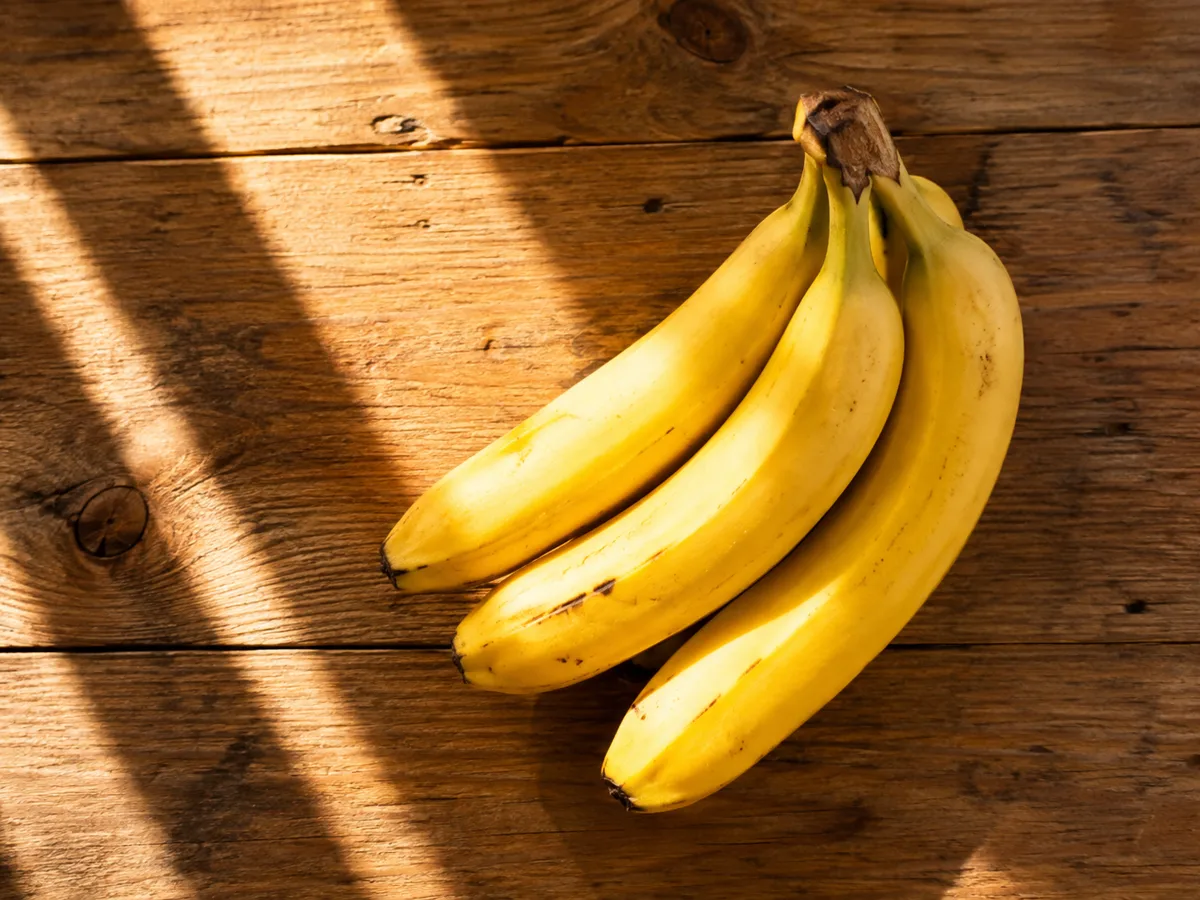
Bananas
Bananas are a convenient fruit that provides potassium, requires little preparation, and can be eaten without added salt, making them an easy snack in a blood pressure-friendly eating pattern.
What it provides
Bananas provide potassium, vitamin B6, and fiber. Adequate potassium intake is part of the dietary guidance for healthy blood pressure, though a single food cannot carry an entire eating pattern.Source: NIH Office of Dietary Supplements: Potassium
Simple ways to eat it
Eat one as a snack, slice one over oatmeal or plain yogurt, or freeze ripe bananas for smoothies.
Good to know: People with kidney disease or those taking certain medications may need to watch potassium intake and should follow their clinician's advice.Source: National Institutes of Health, Office of Dietary Supplements: Potassium
6 of 18
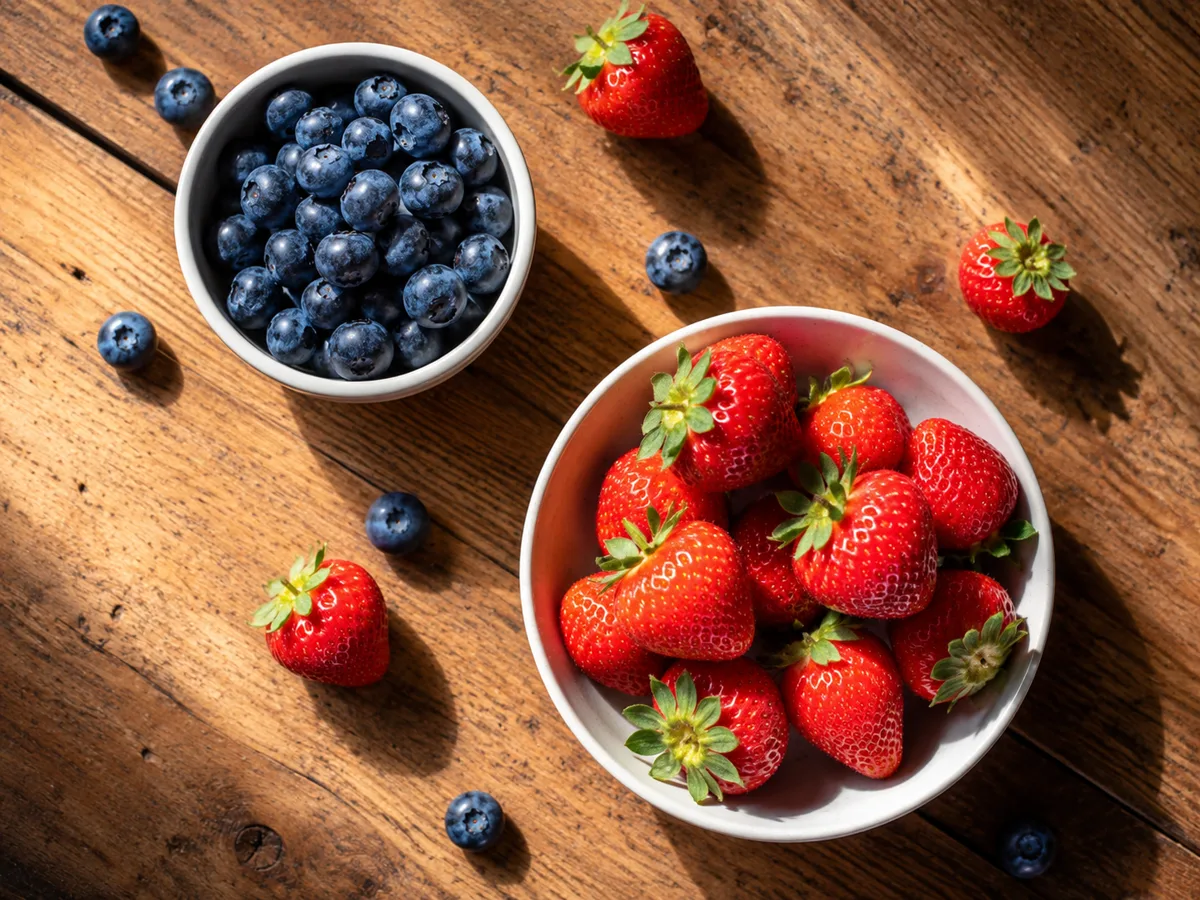
Berries: Blueberries and Strawberries
Berries are naturally sweet, unsalted, and fiber-rich, so they can replace sweeter or saltier snacks in a balanced diet built around fruits and vegetables.
What it provides
Blueberries and strawberries provide fiber, vitamin C, potassium, and plant compounds that include anthocyanins. These compounds have been studied in relation to vascular and cardiovascular health, but research has not shown a consistent blood-pressure effect from eating berries. Berries are best presented here as a nutrient-dense part of the overall fruit-and-vegetable pattern.Sources: Systematic review of berry intake and cardiovascular measures (PMID 34977111); Blueberry review (PMID 27654329)
Simple ways to eat it
Add them to oatmeal, plain yogurt, or salads, blend them into smoothies, or keep frozen berries on hand for year-round use.
Sodium note: Fresh berries and unsweetened frozen berries without sauces or syrups are naturally low in sodium.
7 of 18
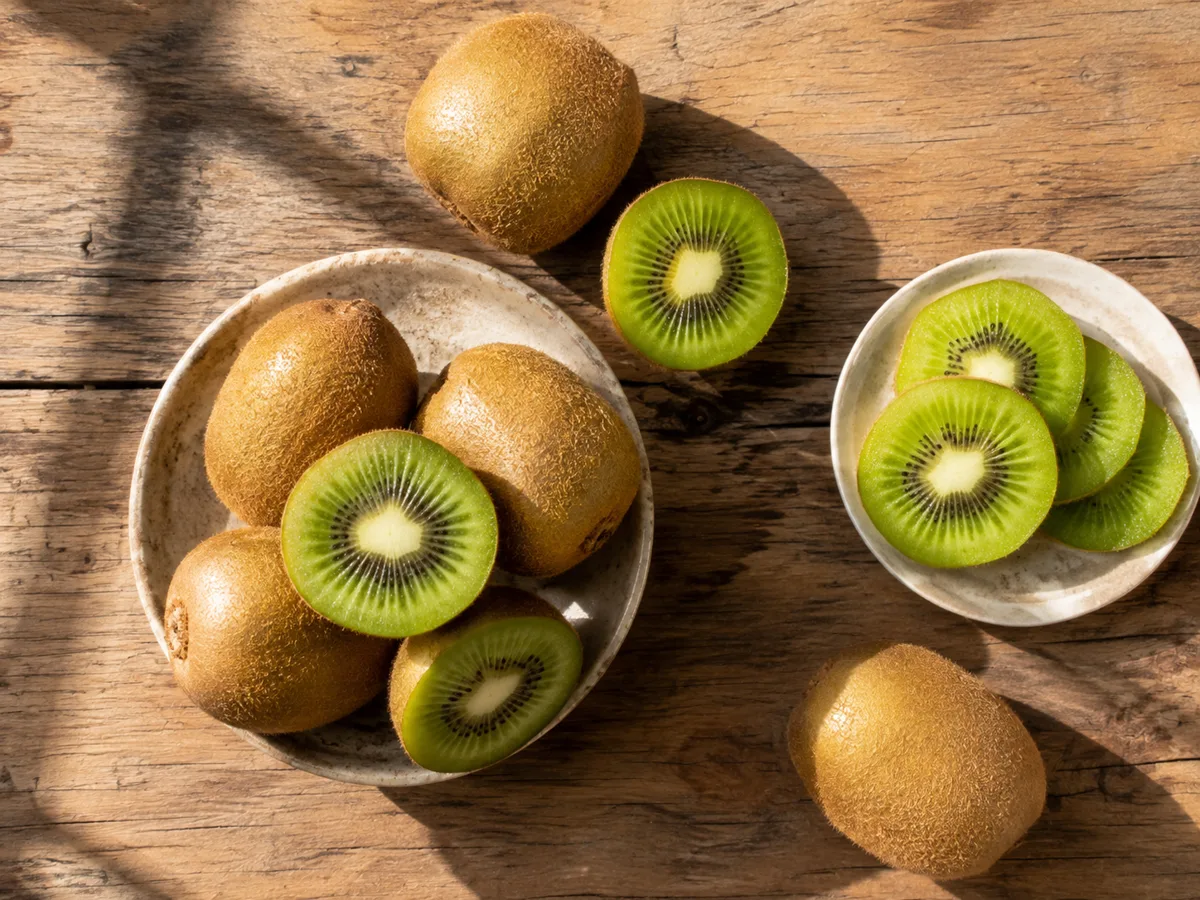
Kiwi
Kiwi is an easy way to add another serving of fruit to the day, and fruit intake is a core part of DASH-style eating patterns.
What it provides
Kiwi provides vitamin C, potassium, fiber, and vitamin K. Small clinical trials examining kiwi and blood pressure have produced mixed findings, so kiwi should be presented as a nutritious fruit rather than as proof of a blood-pressure-lowering effect.Sources: Kiwifruit trial reporting a reduction (PMID 25483553); Kiwifruit trial not showing improvement (PMID 24655490)
Simple ways to eat it
Halve it and scoop with a spoon, slice it over yogurt or oats, or dice it into a fruit salad.
Good to know: Kiwi can trigger allergic reactions in some people. People with latex allergy may also react to kiwi because certain fruit and natural-rubber-latex proteins can cross-react.Source: American Academy of Allergy, Asthma & Immunology: Latex Allergy
8 of 18
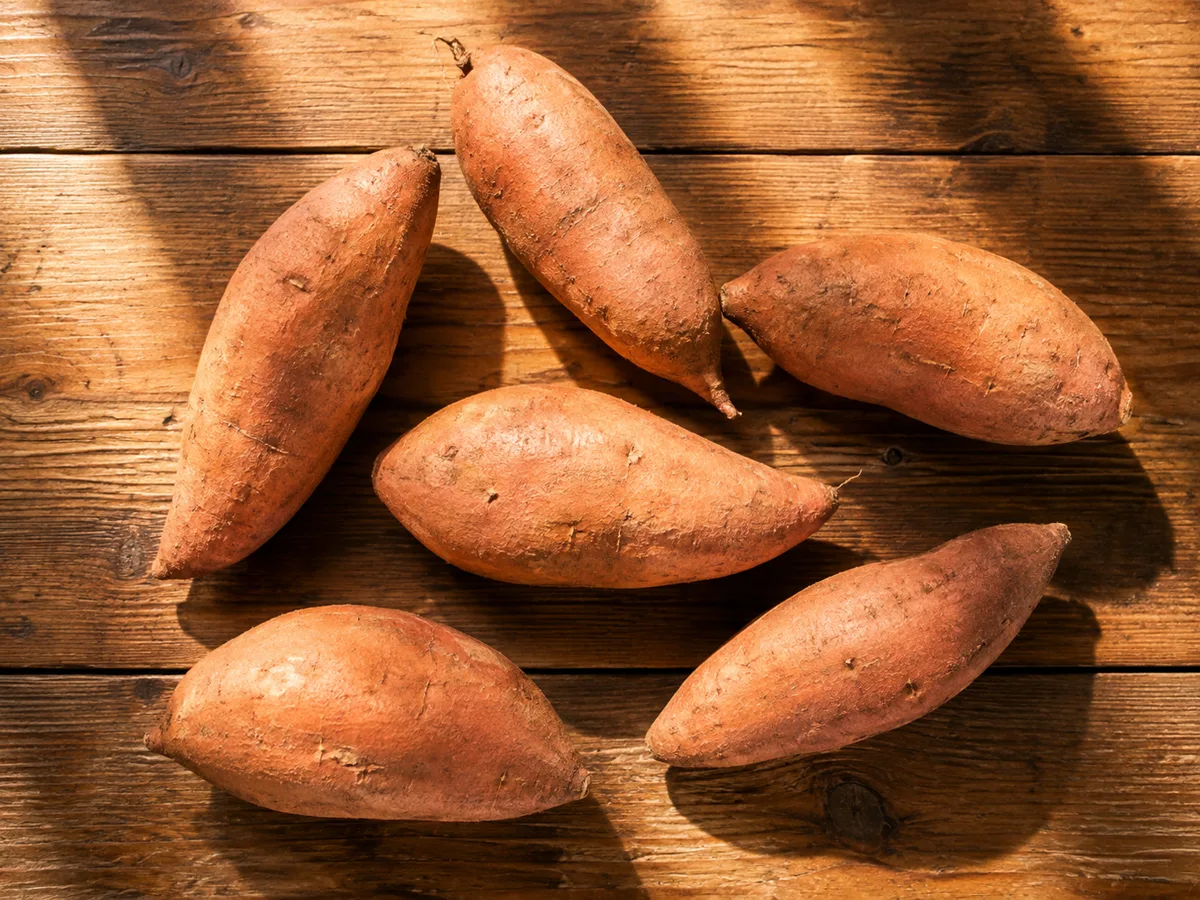
Sweet Potatoes
Sweet potatoes are a filling, naturally low-sodium starchy vegetable that can stand in for saltier side dishes such as packaged rice mixes or seasoned fries.
What it provides
Sweet potatoes offer potassium, fiber, vitamin A as beta-carotene, and vitamin C. They are a practical way to raise potassium intake at dinner without relying on added salt.
Simple ways to eat it
Bake or roast them whole or in wedges with olive oil and herbs, mash them with a little milk and cinnamon, or cube and add them to soups and grain bowls.
Sodium note: Season with herbs, garlic, smoked paprika, or citrus zest instead of salt. Canned candied sweet potatoes and seasoned frozen products vary widely, so compare labels.
Good to know: Sweet potatoes are usually cooked before eating. Bake, roast, steam, or boil them until tender.
9 of 18
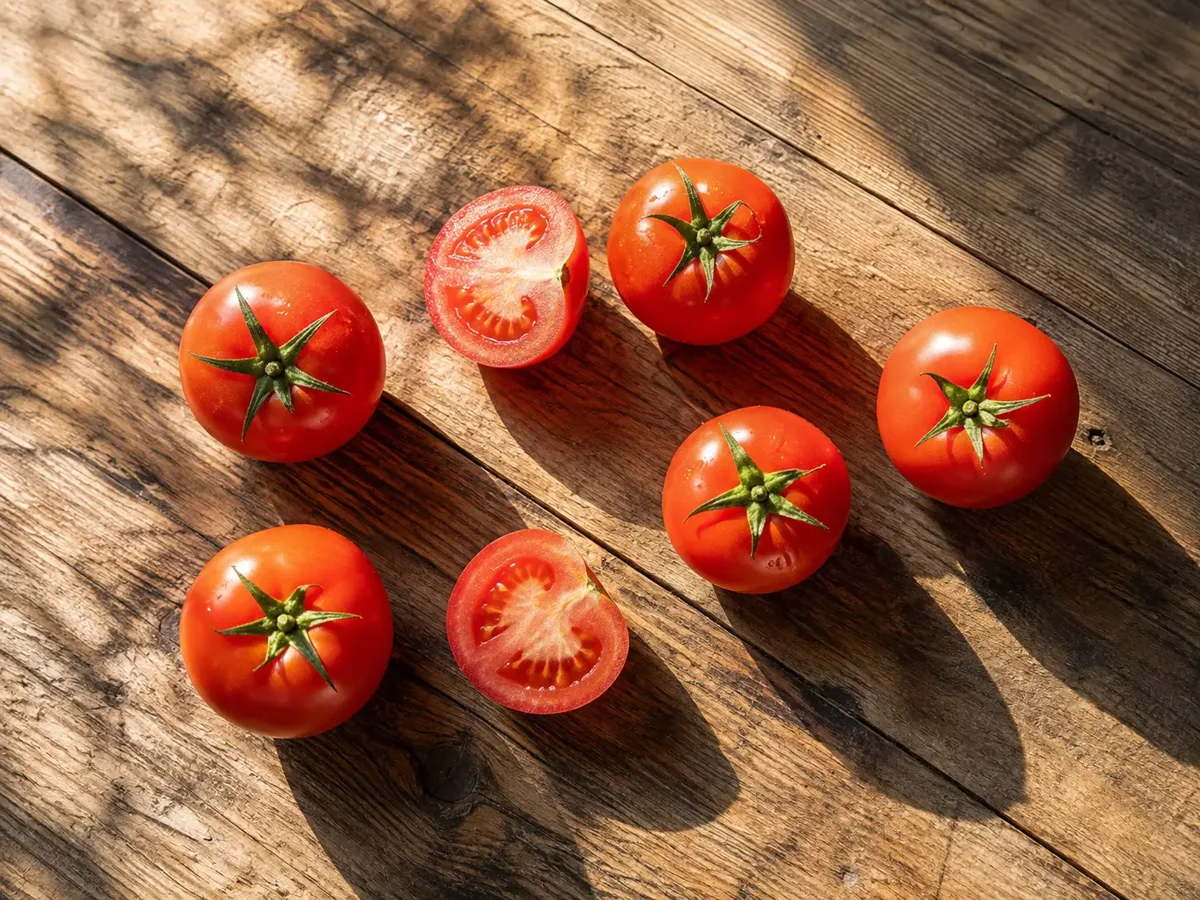
Tomatoes
Fresh tomatoes add acidity and savory depth, which makes food taste more interesting when you are cutting back on salt.
What it provides
Tomatoes provide potassium, vitamin C, and lycopene.
Simple ways to eat it
Slice fresh tomatoes into salads and sandwiches, roast cherry tomatoes until they burst, or simmer chopped tomatoes into a no-salt-added sauce with garlic and basil.
Sodium note: Fresh tomatoes are naturally low in sodium. Sodium varies widely among canned tomatoes, tomato juice, sauces, and pastes, so compare labels and choose no-salt-added versions when available.
10 of 18
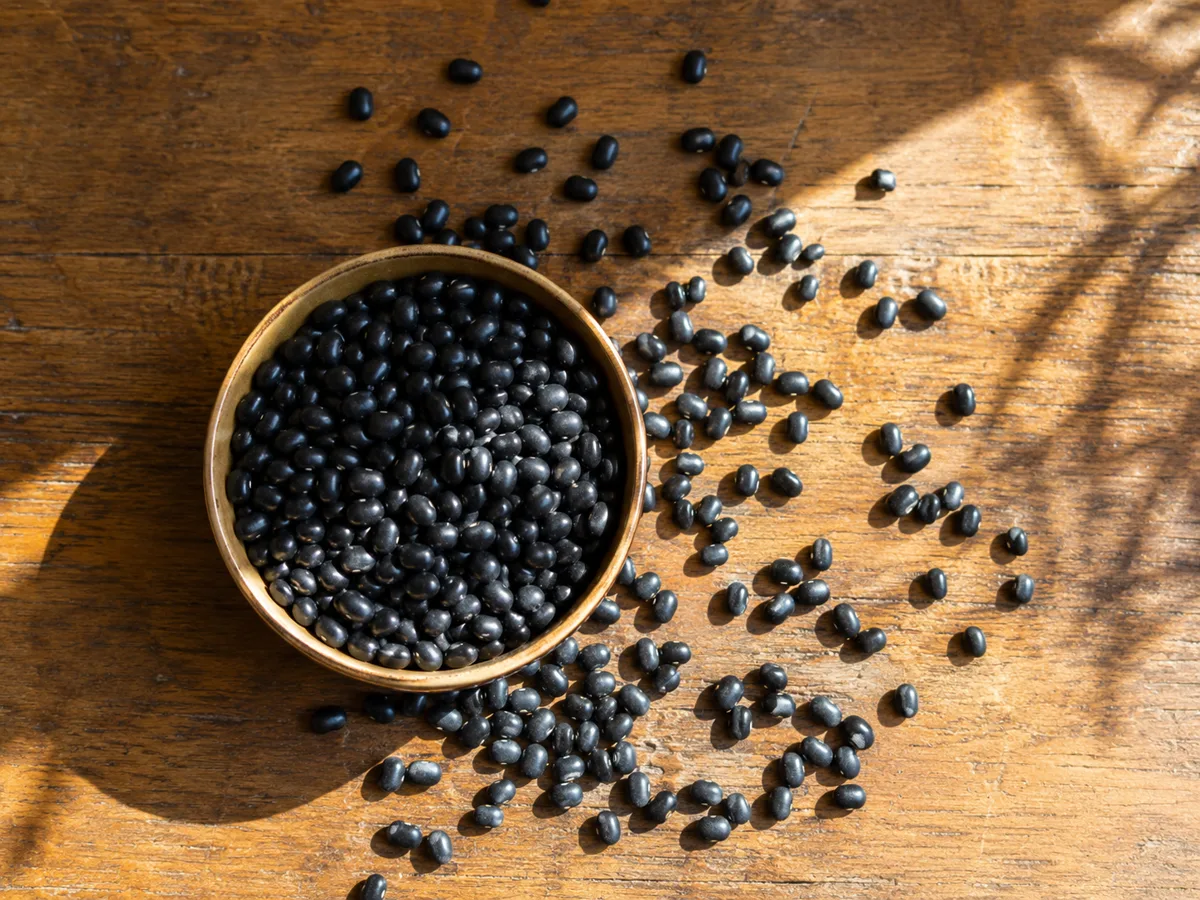
Black Beans (Cooked From Dry or No-Salt-Added)
Beans are a plant protein that can replace some higher-sodium, higher-saturated-fat protein choices such as deli meat or sausage, which is one of the practical shifts heart-healthy eating guidance suggests.
What it provides
Black beans supply fiber, plant protein, potassium, magnesium, and folate. Fiber and plant protein also help meals feel filling, which supports the overall pattern rather than acting on blood pressure directly.
Simple ways to eat it
Cook dry beans in plain water until fully tender, then season after cooking. Add them to salads, grain bowls, soups, and vegetable tacos.
Sodium note: Regular canned beans contain added salt. Choose no-salt-added cans, or drain and rinse standard canned beans, which removes some of the sodium. Compare labels, since amounts vary by brand.
Good to know: Dry beans must be fully cooked before eating. Sort and rinse them first, and follow the package directions for any recommended soaking and cooking steps.
11 of 18
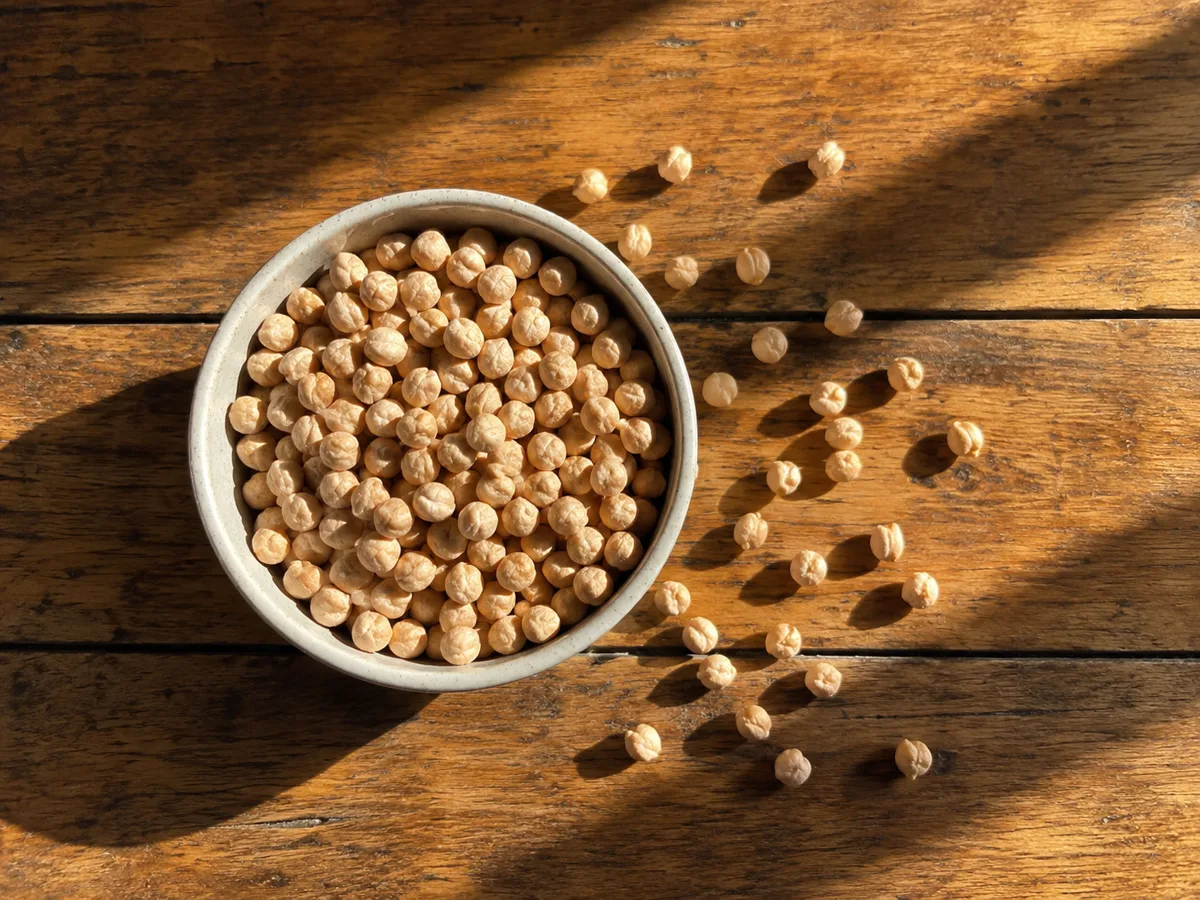
Chickpeas (Cooked From Dry or No-Salt-Added)
Chickpeas can serve as a substantial base for a meal, making it easier to build lower-sodium lunches that still feel satisfying.
What it provides
Chickpeas provide fiber, plant protein, potassium, magnesium, and iron. Legumes are a recurring feature of heart-healthy eating patterns because of this nutrient mix.
Simple ways to eat it
Toss cooked chickpeas into salads, roast them with olive oil and spices, or blend them into a homemade hummus with lemon, garlic, and tahini so you control the salt.
Sodium note: Store-bought hummus and canned chickpeas usually contain added sodium; cooking dry chickpeas without added salt gives you greater control over the final sodium level.
Good to know: Dry chickpeas must be fully cooked before eating. Follow the package directions for soaking and cooking.
12 of 18
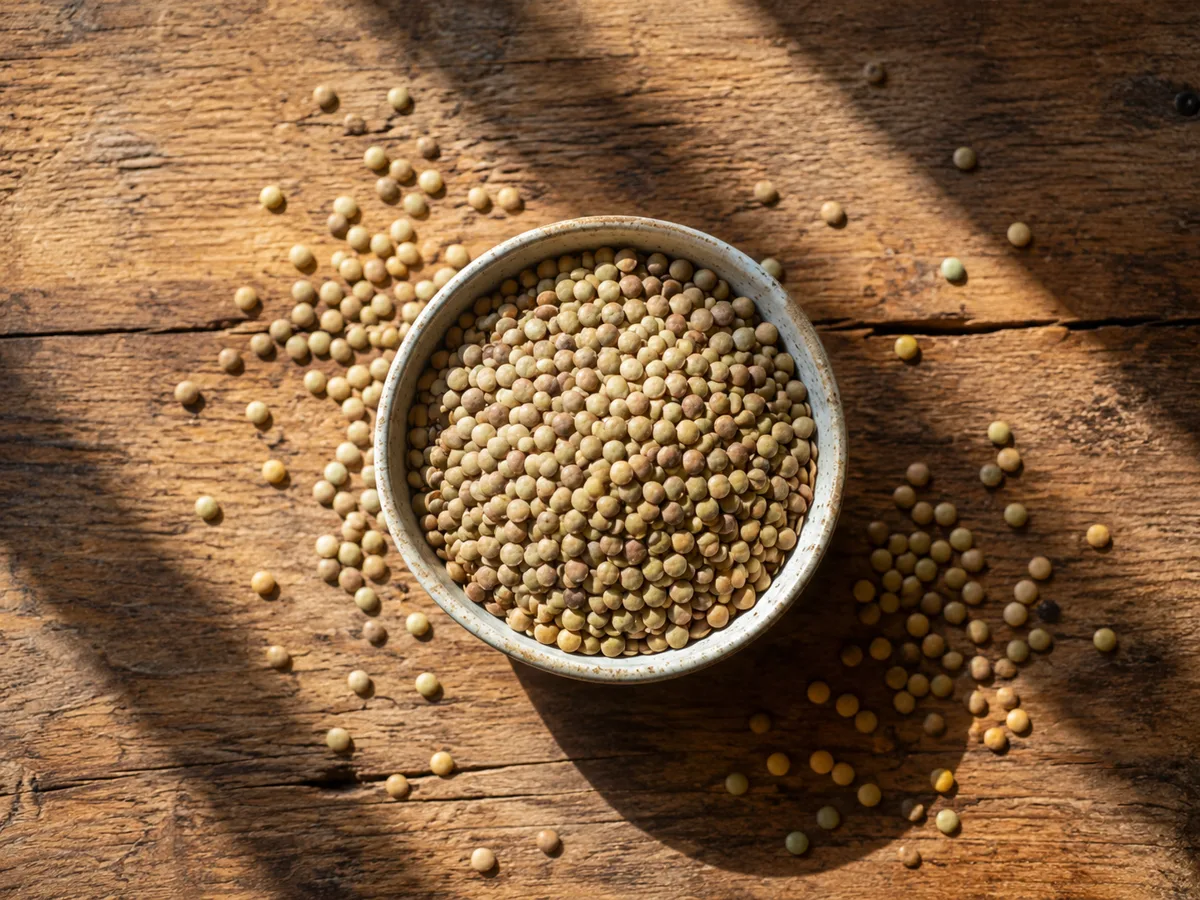
Lentils
Lentils cook quickly, need no soaking, and work as the base of an inexpensive, plant-forward meal, which makes a lower-sodium pattern easier to keep up.
What it provides
Lentils are a source of fiber, plant protein, potassium, magnesium, folate, and iron. Plain lentils are naturally low in sodium when cooked without added salt or salted broth.
Simple ways to eat it
Simmer them in plain water or a no-salt-added broth, then finish with vinegar, lemon, herbs, or spices. Use them in soups, salads, and grain bowls.
Sodium note: Added sodium in lentil dishes often comes from broth, bouillon, or packaged seasoning mixes rather than the lentils themselves, so compare labels on those products.
Good to know: Rinse and cook lentils fully; do not eat them uncooked.
13 of 18
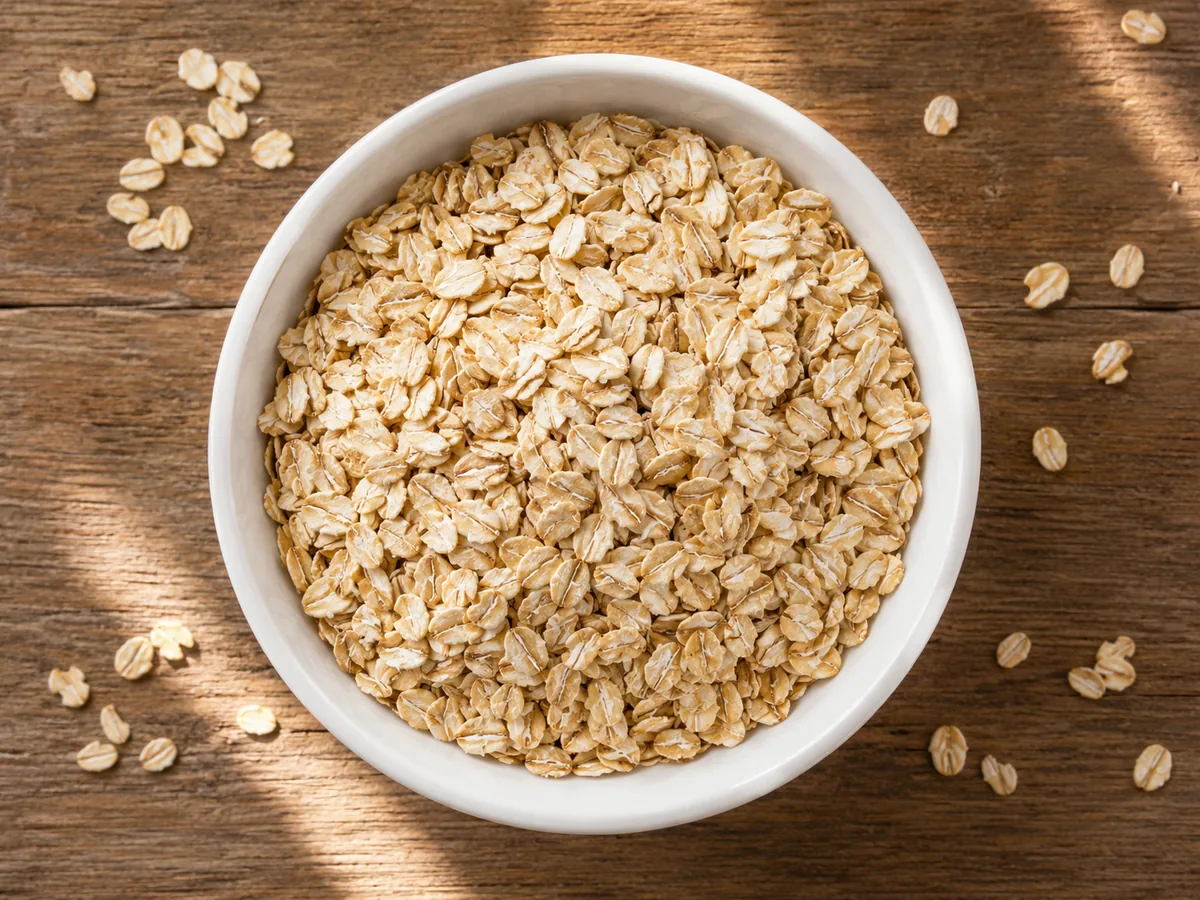
Oats
Oats are a whole grain, and whole grains are one of the food groups emphasized in DASH-style and heart-healthy eating patterns.
What it provides
Oats provide soluble fiber, including beta-glucan, along with magnesium and some plant protein. As a plain whole grain, oats fit naturally into a DASH-style eating pattern.
Simple ways to eat it
Cook plain rolled or steel-cut oats in water or milk and top them with fruit, unsalted nuts, and cinnamon. For overnight oats, combine rolled oats with milk or yogurt, cover, and refrigerate overnight.
Sodium note: Plain rolled and steel-cut oats are naturally low in sodium. Flavored instant-oatmeal packets may contain added sodium and added sugar, so compare labels.
14 of 18
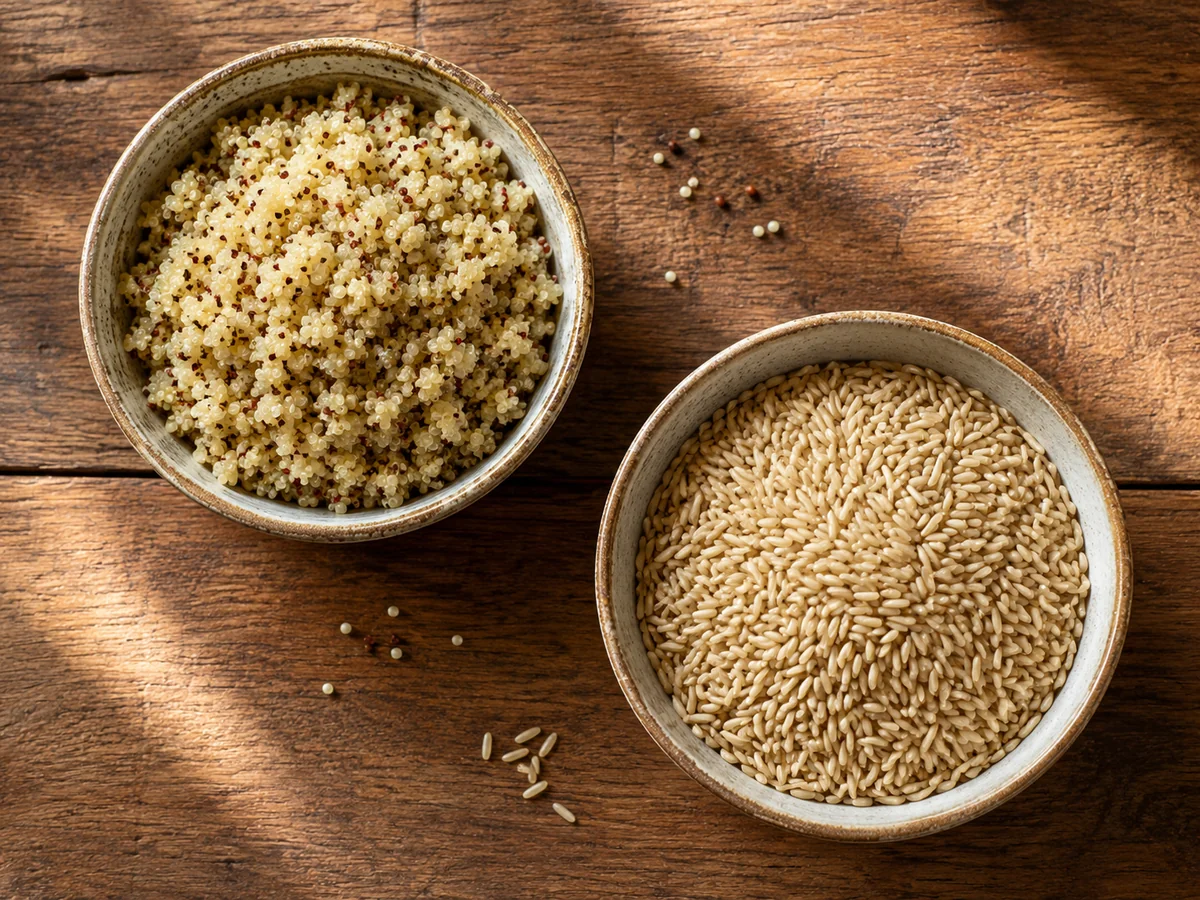
Whole Grains: Quinoa and Brown Rice
Choosing plain whole grains instead of seasoned packaged grain mixes adds fiber and minerals and can also reduce added sodium.
What it provides
Quinoa and brown rice contribute fiber, magnesium, and some plant protein. Magnesium is one of the minerals highlighted in DASH-style guidance.
Simple ways to eat it
Cook them in unsalted water and season the finished dish with herbs, citrus, vinegar, or spices. Batch-cook a pot to use across several meals in the week.
Sodium note: Boxed rice and grain mixes with seasoning packets may contain substantial sodium. Plain quinoa and brown rice are naturally low in sodium when cooked without added salt.
15 of 18
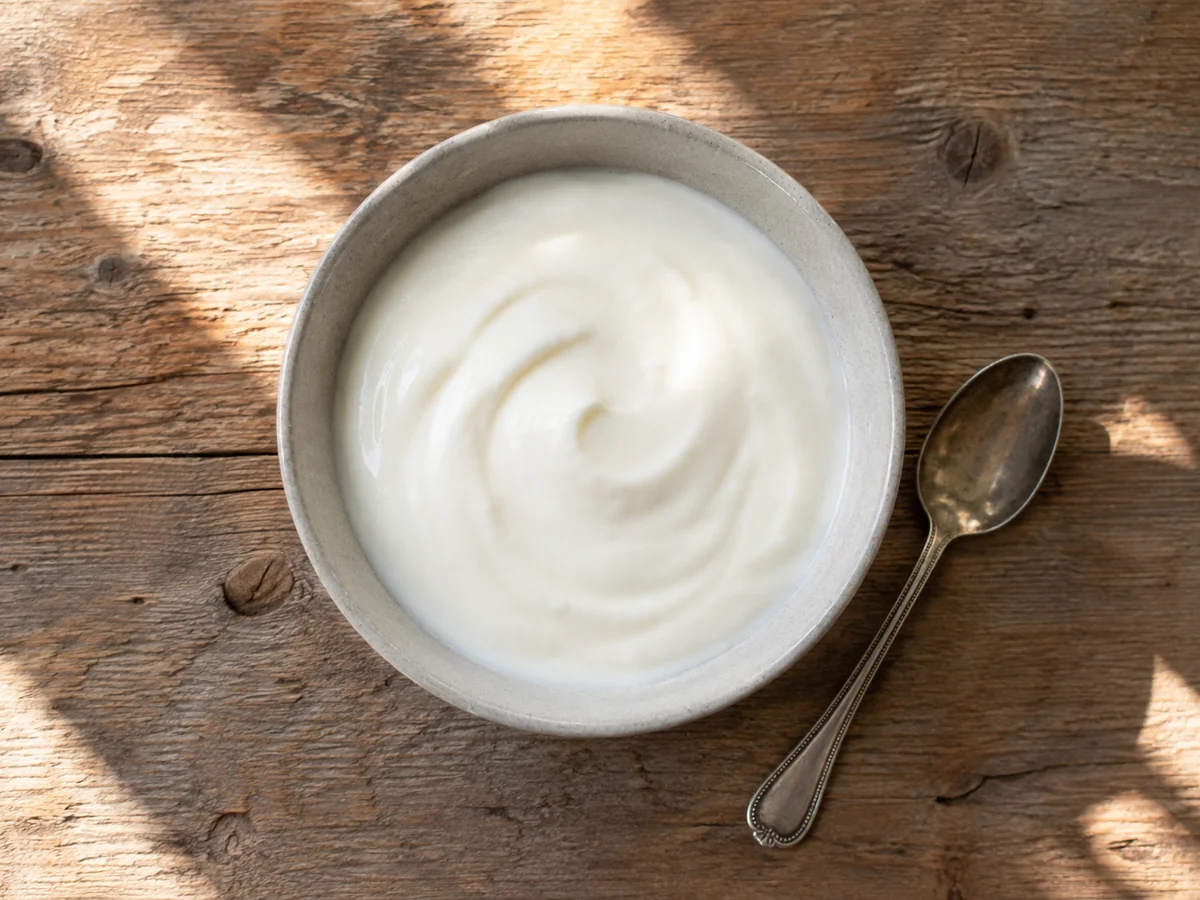
Plain Low-Fat Yogurt
Low-fat dairy is a specific part of the DASH eating pattern. Plain low-fat yogurt can be used as a breakfast base, snack, or ingredient in creamy sauces and dressings.
What it provides
Low-fat dairy is one of the food groups included in the DASH eating plan, and plain yogurt provides calcium, potassium, and protein.
Simple ways to eat it
Use plain yogurt as a breakfast base with fruit, as a sauce thinned with lemon and herbs, or as a swap for mayonnaise and sour cream.
Sodium note: Yogurt contains some naturally occurring sodium, and the amount varies by product. Compare labels and choose plain versions when possible; flavored varieties may also contain considerable added sugar.
Good to know: Not suitable for people with a milk allergy; those with lactose intolerance may prefer lactose-free versions.
16 of 18
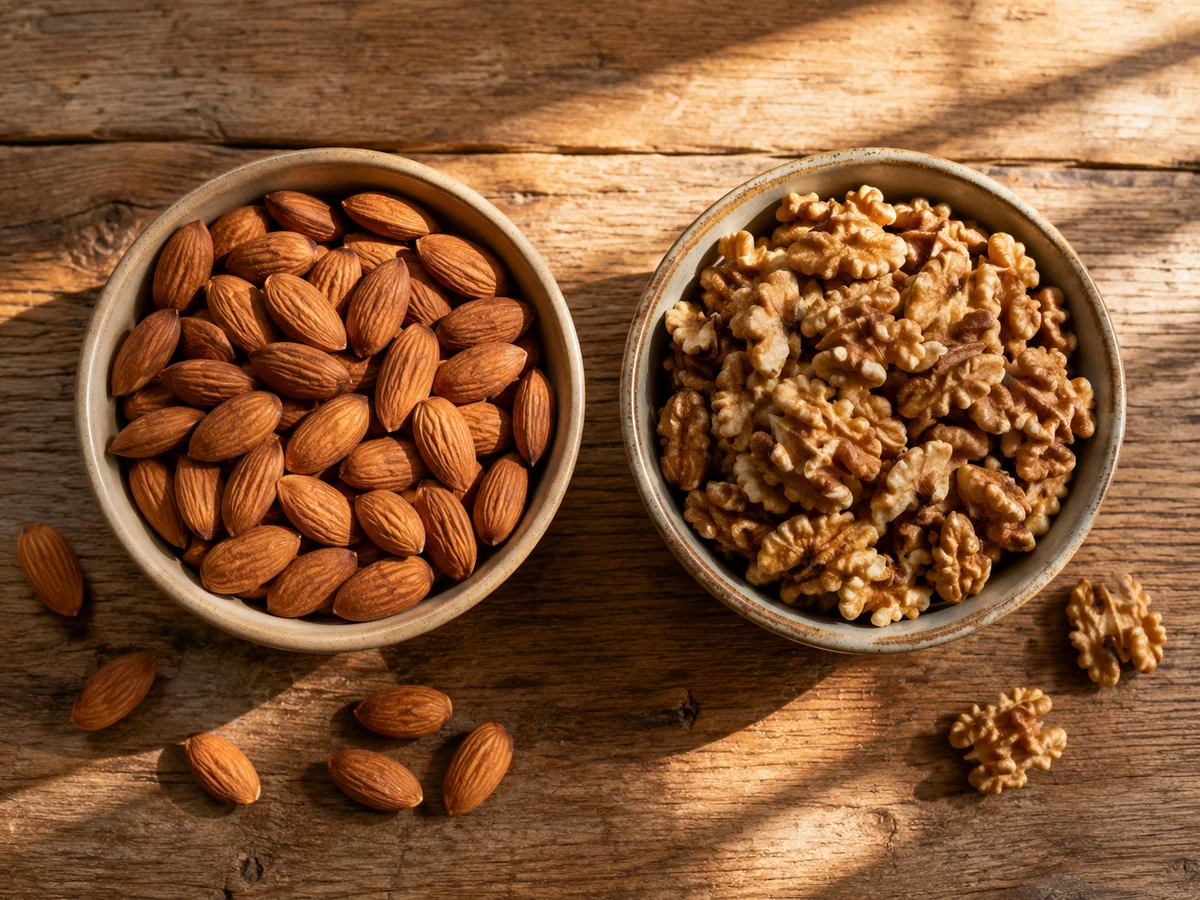
Unsalted Nuts: Almonds and Walnuts
Nuts appear in heart-healthy eating patterns as a source of unsaturated fat and plant protein. Choosing raw or dry-roasted unsalted versions avoids the added sodium found in many seasoned nut products.
What it provides
Almonds provide magnesium, vitamin E, fiber, and unsaturated fat. Walnuts provide the plant omega-3 alpha-linolenic acid along with magnesium and unsaturated fat.
Simple ways to eat it
Keep a small portion, roughly a small handful, as a snack, or chop them over oatmeal, yogurt, and salads for crunch instead of croutons.
Sodium note: Salted, flavored, and honey-roasted nuts may contain substantial added sodium. Choose raw or dry-roasted nuts labeled unsalted.
Good to know: Tree nuts are a common allergen, and nuts are calorie dense, so portion size matters.
17 of 18
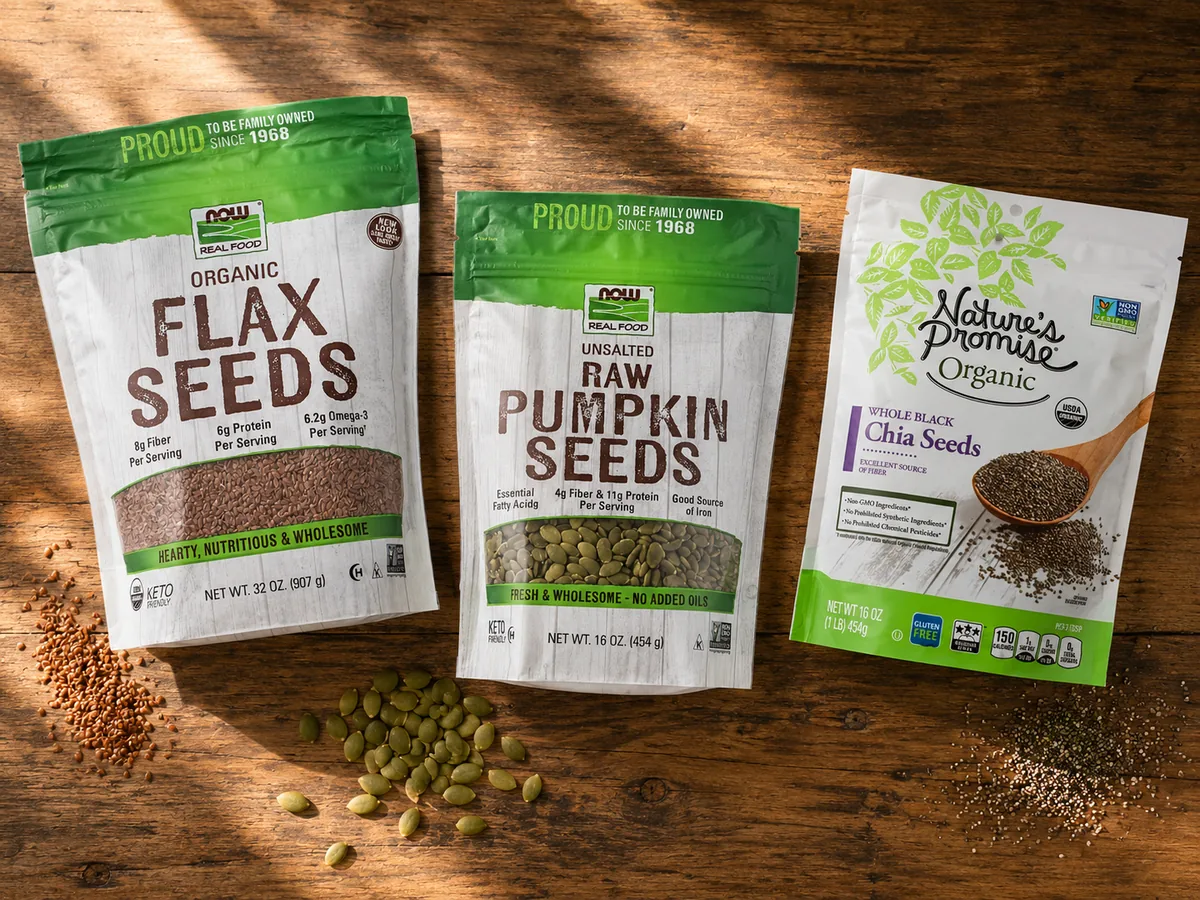
Seeds: Chia, Flax, and Pumpkin Seeds
Seeds are an easy, unsalted way to add fiber, minerals, and unsaturated fat to food you are already eating.
What it provides
Chia seeds and flaxseeds provide fiber and the plant omega-3 alpha-linolenic acid. Pumpkin seeds are a notable source of magnesium. These nutrients are commonly found in heart-healthy diets, which is different from saying seeds change blood pressure on their own.
Simple ways to eat it
Stir chia or ground flaxseed into oats, yogurt, or smoothies, and sprinkle unsalted pumpkin seeds over salads and grain bowls.
Sodium note: Choose plain, unsalted seeds. Salted or flavored roasted pumpkin seeds may contain substantial added sodium, so compare labels.
Good to know: Ground flaxseed mixes easily into oats, yogurt, and smoothies. Chia seeds absorb liquid, so stir them thoroughly into moist foods or soak them before serving.
18 of 18
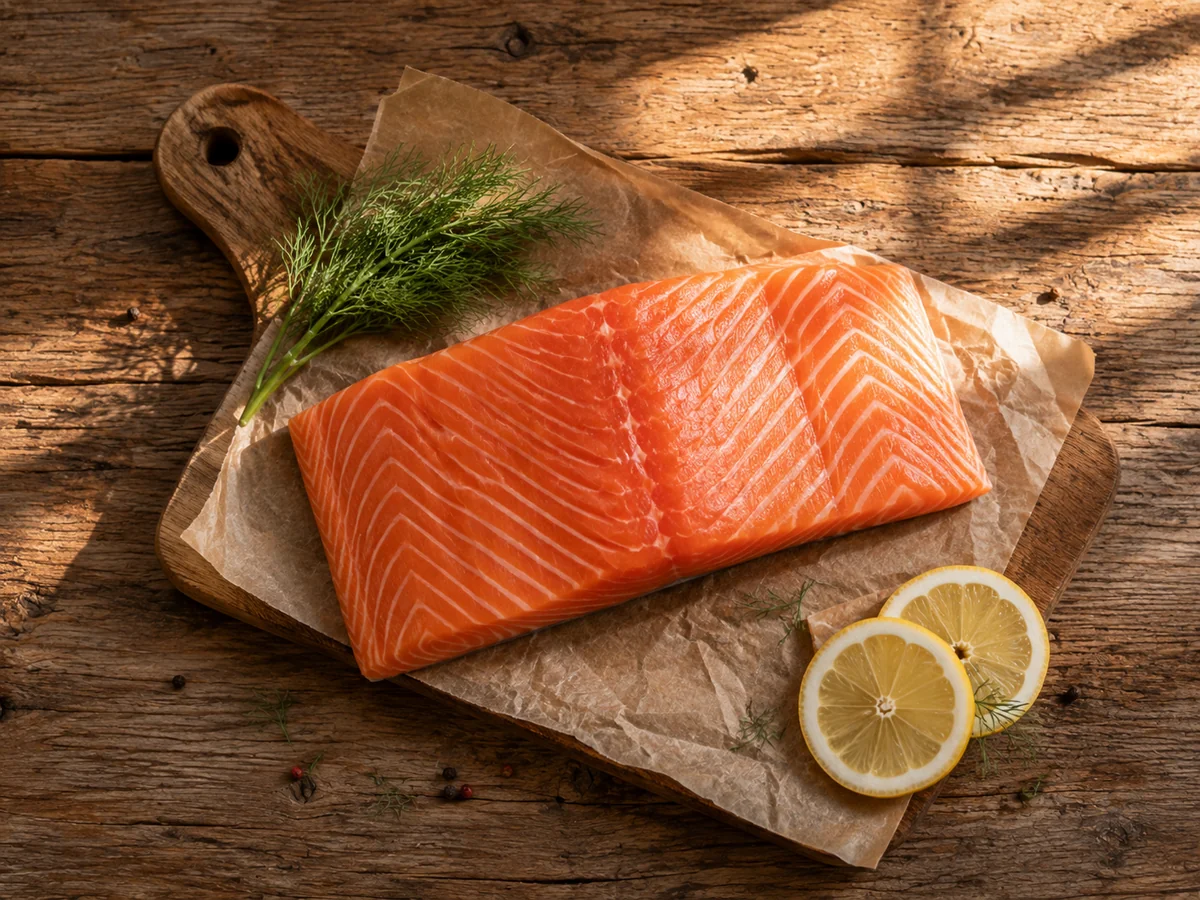
Fresh Salmon
Heart-healthy eating guidance encourages fish, especially oily fish, in place of some higher-saturated-fat and processed meats. Fresh salmon is naturally low in sodium before anything is added to it.
What it provides
Salmon provides the long-chain omega-3 fatty acids EPA and DHA, high-quality protein, potassium, and vitamin D. Fish, especially oily fish, is included in heart-healthy dietary guidance. Salmon belongs here as part of the overall eating pattern, not as a stand-alone treatment for high blood pressure.
Simple ways to eat it
Roast, bake, grill, or pan-sear fresh fillets and season with lemon, dill, garlic, and black pepper instead of salt.
Sodium note: Smoked salmon, lox, and canned salmon packed in brine are higher in sodium than fresh fillets. Choose fresh or no-salt-added canned salmon when you can, and compare labels.
Good to know: Cook fish to an internal temperature of 145°F. Do not eat raw or undercooked fish if you are pregnant, immunocompromised, or otherwise advised against it, and follow current fish advisories for pregnancy and young children.Sources: FDA: Selecting and Serving Fresh and Frozen Seafood Safely; U.S. Food and Drug Administration: Advice about Eating Fish
How to Build a Blood Pressure-Friendly Plate
The individual foods matter less than how often they show up. A practical way to use this list is to build most plates the same simple way.
- Fill half the plate with vegetables and fruit. Leafy greens, tomatoes, beets, and sweet potatoes all count, prepared raw or cooked as appropriate.
- Choose a protein that is not heavily salted. Beans, lentils, chickpeas, fresh fish, eggs, or plain poultry instead of deli meat, bacon, or sausage.
- Add a plain whole grain. Oats, quinoa, or brown rice cooked in unsalted water, not a boxed seasoned mix.
- Finish with unsaturated fat. Avocado, olive oil, unsalted nuts, or seeds.
- Build flavor before reaching for salt. Lemon, vinegar, garlic, onion, herbs, chile peppers, cumin, smoked paprika, and black pepper can add flavor without relying heavily on salt.
What About Sodium?
Reducing excess sodium is a key dietary recommendation for managing blood pressure, according to CDC guidance on sodium and health and the Dietary Guidelines for Americans, 2025–2030. Most sodium in the typical U.S. diet comes from packaged and restaurant foods, including sauces, dressings, broths, cured meats, cheese, breads, and prepared meals.
That is why this guide focuses on foods in their plain or minimally processed forms rather than finished recipes. Fresh spinach, beans cooked without salt, and fresh salmon are naturally lower in sodium than many packaged or restaurant preparations. Read Nutrition Facts labels, choose no-salt-added products when available, drain and rinse canned beans, and use herbs, spices, citrus, and vinegar for flavor. A clinician can help determine whether a specific daily sodium target applies to you.
Frequently Asked Questions
Can any single food lower blood pressure?
Some foods and concentrated food products have produced modest changes in certain studies, but no single food should be relied on to manage high blood pressure. Dietary guidance focuses on an overall eating pattern over time, with more vegetables, fruits, whole grains, legumes, nuts, seeds, fish, and low-fat dairy, along with less sodium, added sugar, and saturated fat. Other lifestyle factors and any care your clinician recommends also matter.
How quickly would diet changes matter?
Timing varies according to the person, their starting blood pressure, their complete eating pattern, and how consistently changes are followed. Judge progress from repeated blood-pressure readings over time and discuss the pattern with a clinician rather than judging it from one meal or one reading.
Why does potassium come up so often?
Potassium and sodium both play a role in the body's fluid balance, and dietary guidance for healthy blood pressure generally encourages adequate potassium from food alongside lower sodium. People with kidney disease or on certain medications may need to limit potassium instead, which is a conversation to have with a clinician.Source: National Institutes of Health, Office of Dietary Supplements: Potassium
Do I have to eat these foods raw?
No. The focus is on whole and minimally processed foods, not on eating everything raw. Dry beans, chickpeas, lentils, quinoa, brown rice, and sweet potatoes should be cooked before eating. Oats can be cooked or soaked, and salmon should be prepared using current food-safety guidance. Foods such as fruit, avocado, tomatoes, spinach, kale, nuts, and seeds may be eaten raw or prepared in other appropriate ways.
Are canned and frozen foods acceptable?
Yes, with attention to labels. Plain frozen vegetables and fruit without added sauces, syrups, or salt can be convenient choices. For canned beans and vegetables, look for no-salt-added options or drain and rinse standard versions to remove some sodium. For canned tomatoes, choose no-salt-added versions when available. Formulations vary by brand, so compare Nutrition Facts labels.
Can this page replace medical advice or medication?
No. This is general nutrition information. It is not medical advice, and it is not a substitute for a diagnosis, a treatment plan, or any medication your clinician has prescribed. Never stop or change a prescribed medication based on a food article.
Medical and Nutrition Disclaimer
This page provides general nutrition information for educational purposes only. It is not medical advice, diagnosis, or treatment, and it has not been reviewed by a physician or registered dietitian. The foods described may fit into a blood-pressure-friendly eating pattern, but individual responses vary, and no food should replace professional medical care or prescribed medication. Nutrition needs differ from person to person, and some foods may require individualized guidance for people with kidney disease, food allergies, or medication interactions. Talk with a qualified clinician or registered dietitian before making major dietary changes, and never stop or adjust prescribed medication without medical guidance.
References and Sources
- National Heart, Lung, and Blood Institute: DASH Eating PlanOverview of the DASH eating pattern and the food groups it emphasizes.
- American Heart Association: Healthy EatingGeneral heart-healthy eating guidance, including sodium and dietary fats.
- Centers for Disease Control and Prevention: About Sodium and HealthCurrent CDC guidance on sodium, blood pressure, and the major dietary sources of sodium.
- Centers for Disease Control and Prevention: High Blood PressurePublic health information on blood pressure, including diet and sodium.
- Dietary Guidelines for Americans, 2025–2030Current federal dietary guidance on overall eating patterns, sodium, and nutrients of concern.
- National Institutes of Health, Office of Dietary Supplements: Potassium (Consumer)Consumer fact sheet on potassium, food sources, and intake considerations.
- American Academy of Allergy, Asthma & Immunology: Latex AllergyInformation about latex allergy and possible cross-reactions with certain foods.
- U.S. Food and Drug Administration: Advice about Eating FishFDA and EPA guidance on choosing fish for people who are pregnant or breastfeeding and for young children.
- National Institutes of Health, Office of Dietary Supplements: PotassiumReference information on potassium, food sources, and intake considerations.
- National Institutes of Health, Office of Dietary Supplements: MagnesiumReference information on magnesium and its food sources.
- National Institutes of Health, Office of Dietary Supplements: Vitamin KReference information on vitamin K, food sources, and warfarin interaction considerations.
- U.S. Food and Drug Administration: Sodium in Your DietHow to read the Nutrition Facts label for sodium and where dietary sodium comes from.
- National Institute of Diabetes and Digestive and Kidney Diseases: Eating, Diet, and Nutrition for Kidney StonesGuidance on diet and kidney stones, including oxalate considerations.
- U.S. Food and Drug Administration: Selecting and Serving Fresh and Frozen Seafood SafelySeafood handling and cooking guidance, including the 145°F internal temperature.
- Beetroot juice and blood pressure: systematic review (PMID 35369064)PubMed record for a systematic review of beetroot juice and blood pressure outcomes.
- Berry intake and cardiovascular measures: systematic review (PMID 34977111)PubMed record for a systematic review of berry intake and cardiovascular measures.
- Blueberries and cardiovascular health: review (PMID 27654329)PubMed record for a review of blueberries and cardiovascular health.
- Kiwifruit and blood pressure: trial reporting a reduction (PMID 25483553)PubMed record for a kiwifruit trial reporting a blood-pressure reduction.
- Kiwifruit and blood pressure: trial not showing improvement (PMID 24655490)PubMed record for a kiwifruit trial that did not show blood-pressure improvement.
Related Healthy Eating Guide
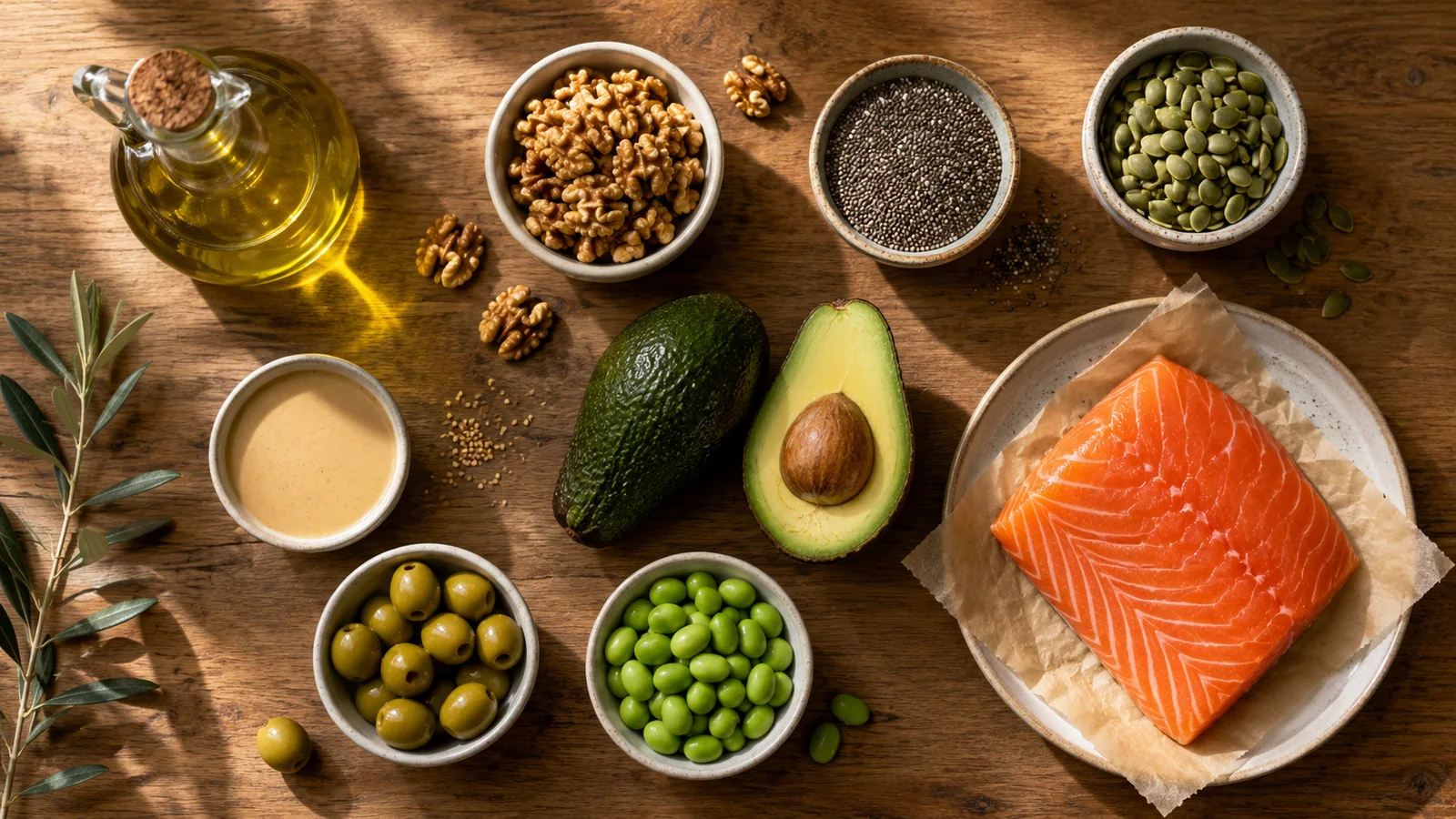
15 Healthy Fat Foods Rich in Unsaturated Fats
Explore 15 foods rich in monounsaturated and polyunsaturated fats, including olive oil, avocado, nuts, seeds, fatty fish, edamame, and olives.
Read the guide