
Healthy Eating Guide
15 Healthy Fat Foods Rich in Unsaturated Fats
Dietary fat is an essential part of a balanced diet. It provides energy, carries flavor, and helps the body absorb certain vitamins. The type of fat and what it replaces matter: current heart-health guidance recommends limiting saturated fat, avoiding trans fat, and choosing foods rich in monounsaturated and polyunsaturated fats in their place. On this page, ‘healthy fat foods’ refers mainly to foods that provide more unsaturated fat.
This is not a ranking of the foods highest in total fat, and it is not a list of foods to pile on top of everything you already eat. The practical goal is substitution: using foods rich in unsaturated fats in place of some foods higher in saturated fat within an overall balanced diet. Portions still matter, especially for oils, nuts, seeds, nut butters, avocado, and olives, which are energy-dense.
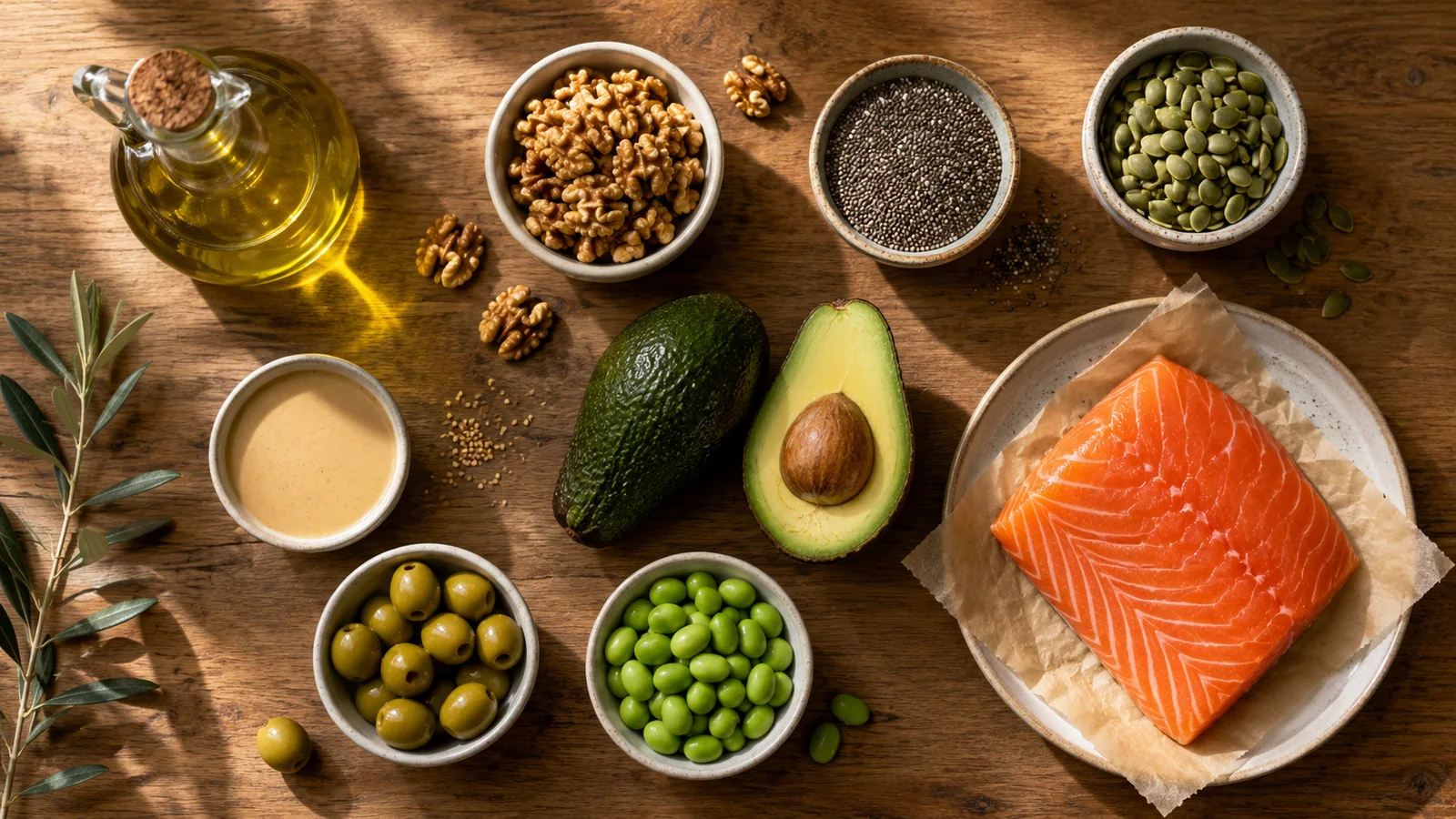
What Makes a Fat “Healthy”?
Fats are usually sorted into a few everyday categories. The American Heart Association’s overview of fats in foods is a good plain-language reference for the differences below.
- Monounsaturated fat. Common in olive oil, avocado, many nuts, peanuts, and olives. It is one of the two main types of unsaturated fat emphasized in place of foods higher in saturated fat.
- Polyunsaturated fat. Common in walnuts, seeds such as chia, flax, pumpkin and sesame, soy foods, and fish. This group of polyunsaturated fat foods includes the omega-3 family.
- Omega-3 fats. Plant foods such as walnuts, chia seeds, and ground flaxseed provide ALA. Fish such as salmon, sardines, and trout provide EPA and DHA. The body converts only a limited amount of ALA into EPA and DHA, so plant omega-3 food sources and seafood are not simply interchangeable.Source: NIH Office of Dietary Supplements: Omega-3 Fatty Acids
- Saturated fat. Found in foods such as butter, fatty cuts of meat, full-fat dairy, coconut oil, and palm oil. Heart-healthy guidance recommends limiting it and replacing some of it with unsaturated fat.Source: American Heart Association: Saturated Fats
- Trans fat. Small amounts occur naturally in foods from ruminant animals, including some meat and dairy products. Partially hydrogenated oils were once the main source of artificial trans fat, but the FDA determined that they were no longer generally recognized as safe and removed their routine use from the U.S. food supply. Trans fat remains listed on Nutrition Facts labels because small amounts can still occur naturally and at very low levels in some oils.Source: FDA: Trans Fat
- Replacement is the point, not addition. The guidance is not simply “eat more fat.” It is to shift some of the fat you already eat from saturated sources toward unsaturated ones.Source: American Heart Association: 4 Ways to Get Good Fats
How We Selected These Foods
Every food below had to meet the same practical bar. It is a recognizable food rather than a supplement or an extract. Its fat is mostly monounsaturated or polyunsaturated, or it supplies useful omega-3 fats. It appears in established heart-healthy dietary guidance rather than in marketing claims. It is realistic to buy and use at home. And it offers a distinct use or nutritional role, so the list is not fifteen versions of the same ingredient.
The last criterion is the strictest: each food had to be describable accurately without promising a medical result. Throughout the page we try to keep three different things separate: what a food contains, how that nutrient functions in the body, and whether evidence supports a measurable health outcome. Those are not interchangeable claims. Keeping them separate helps prevent overstating what any individual food can do.
Sources: American Heart Association: Fats in Foods; Dietary Guidelines for Americans, 2025–2030; USDA FoodData Central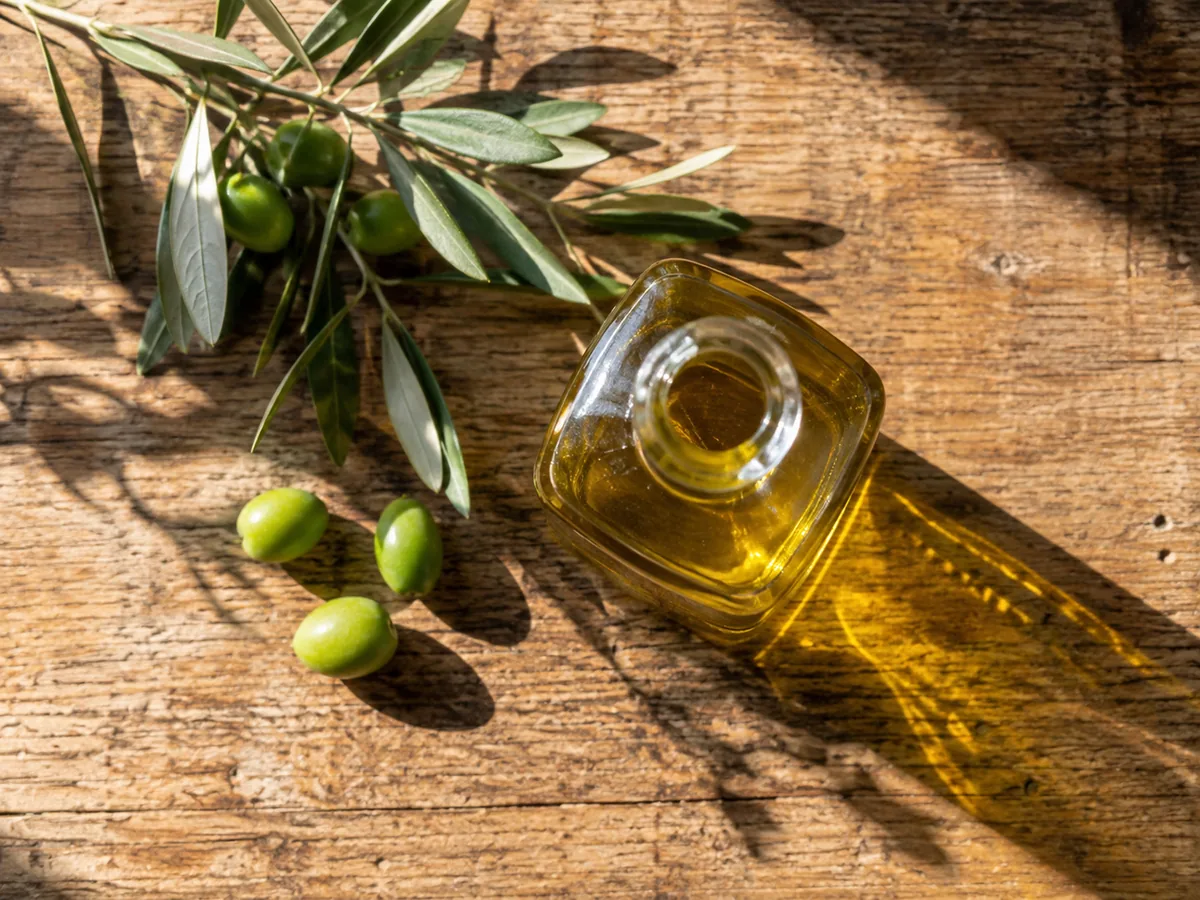
1 of 15
Extra-Virgin Olive Oil
Extra-virgin olive oil is one of the most familiar unsaturated fat foods in everyday cooking. It belongs on this list because it is a nontropical liquid plant oil that can be used in place of some solid fats higher in saturated fat, not because it is the only oil worth using.
Type of fat
Mostly monounsaturated fat, with a smaller amount of polyunsaturated fat and some saturated fat.
What it provides
Extra-virgin olive oil is rich in monounsaturated fat. Heart-healthy guidance groups olive oil with other nontropical liquid plant oils that can be used in place of foods higher in saturated fat.Sources: American Heart Association: Healthy Cooking Oils; American Heart Association: Fats in Foods
Simple ways to use it
Whisk it into vinaigrettes with lemon or vinegar, toss vegetables in it before roasting, use it for everyday sautéing over moderate heat, or drizzle a little over finished soups, beans, grains, or fish. Canola, sunflower, safflower, soybean, peanut, and avocado oils are also liquid plant oils that fit heart-healthy guidance, so olive oil is one good option rather than the only one.
Choosing and portioning: Store olive oil tightly closed and away from heat and direct light, and buy a size you can use while it remains fresh. All oils are calorie-dense, so the practical goal is usually replacing a solid fat you were already using rather than adding oil on top of the existing meal.
2 of 15
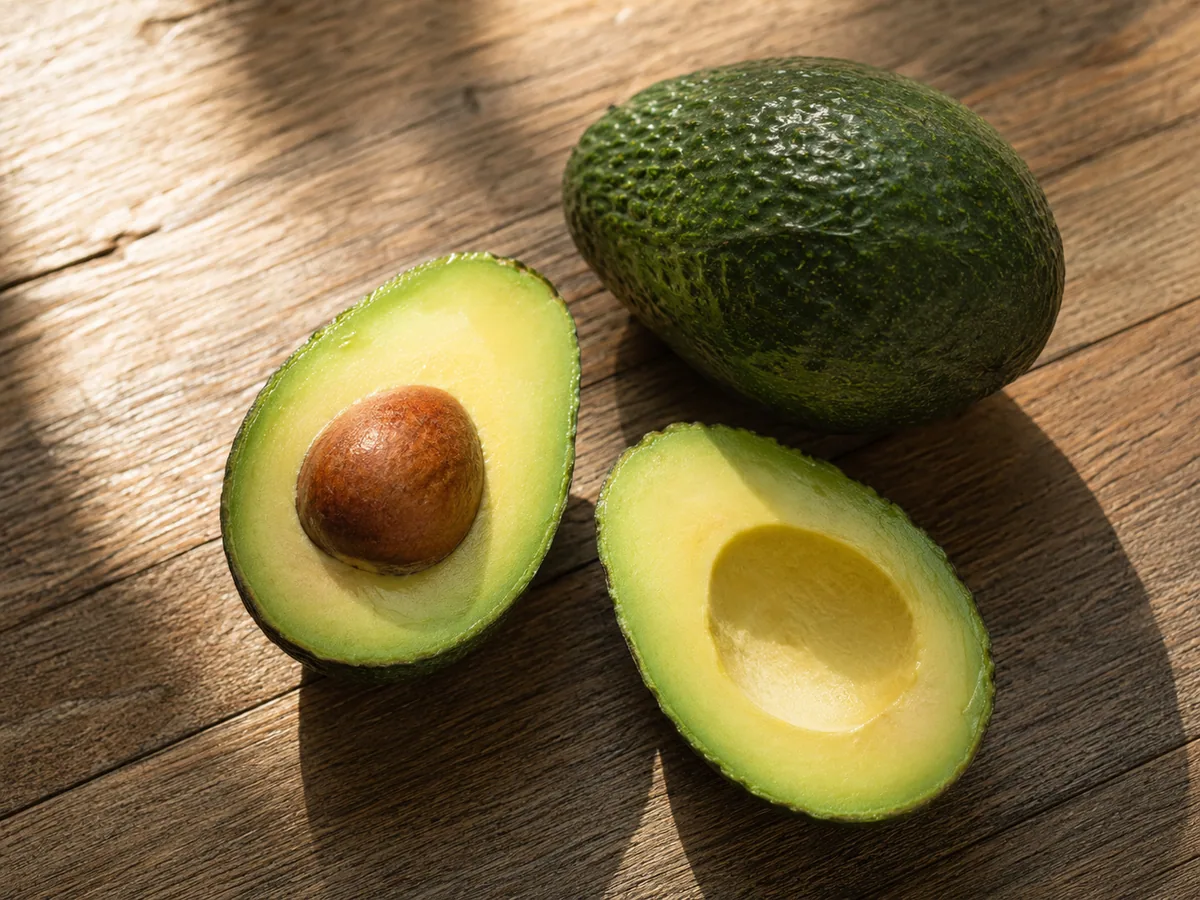
Avocado
Avocado is a whole food that happens to be rich in unsaturated fat, which makes it an easy stand-in for spreads and toppings that are higher in saturated fat or salt.
Type of fat
Mostly monounsaturated fat.
What it provides
Avocado provides monounsaturated fat along with dietary fiber, and it is one of the whole foods named in heart-healthy guidance on getting more unsaturated fat.Source: American Heart Association: 4 Ways to Get Good Fats
Simple ways to use it
Mash it onto toast in place of butter, slice it into salads and grain bowls, blend it into a dressing with lime and yogurt, or use it as the creamy element in a sandwich instead of a heavily salted spread.
Choosing and portioning: Choose an avocado that yields slightly under gentle pressure. Use the amount that fits the meal and your overall eating pattern rather than treating one fixed portion as appropriate for everyone.
Good to know: Wash the skin before cutting, since bacteria on the outside can be dragged through the flesh by the knife.Source: FDA: Selecting and Serving Produce Safely
3 of 15
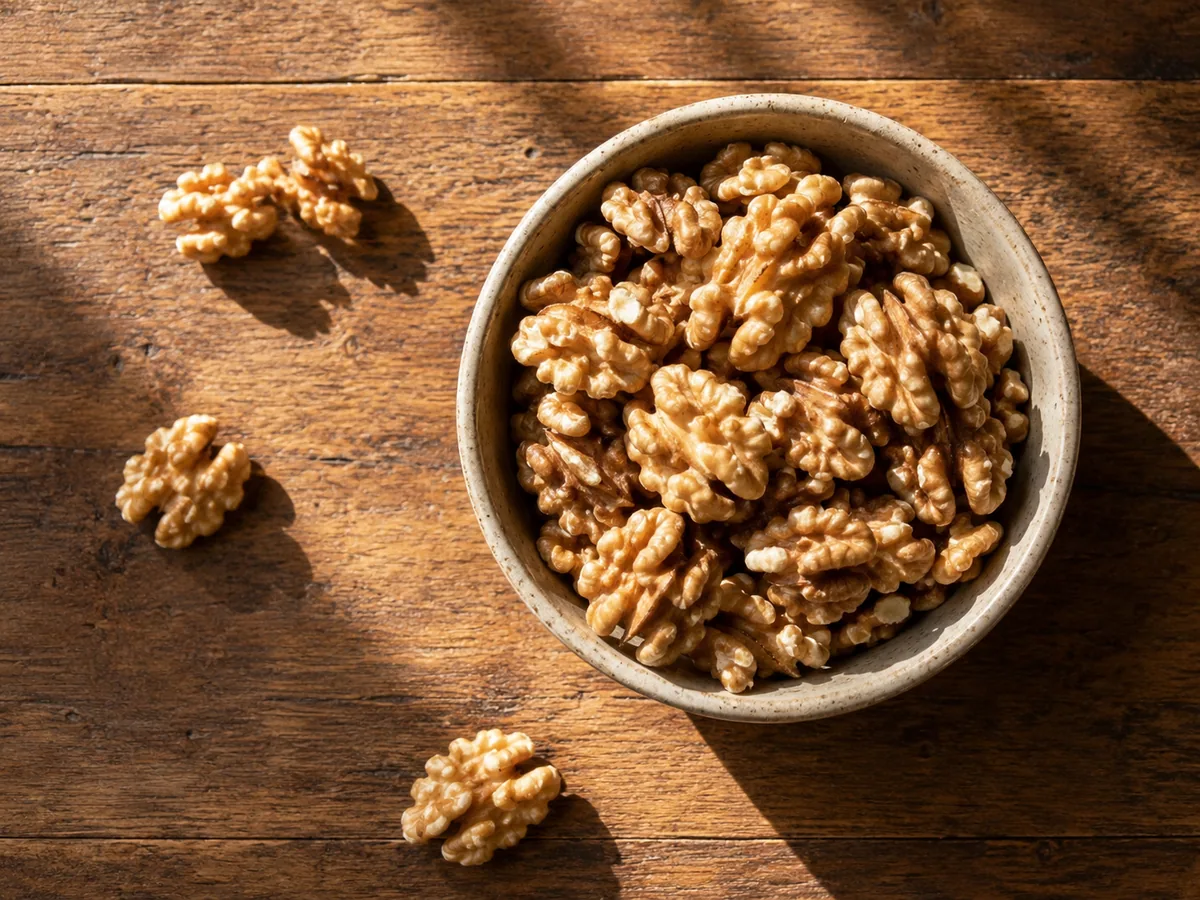
Walnuts
Walnuts stand out among nuts because their fat is mostly polyunsaturated, including the plant omega-3 known as alpha-linolenic acid (ALA).
Type of fat
Mostly polyunsaturated fat, including the plant omega-3 ALA.
What it provides
Walnuts provide polyunsaturated fat and ALA. ALA is a plant omega-3 that the body converts to EPA and DHA only in limited amounts, so ALA foods are not interchangeable with fish as a source of EPA and DHA.Source: NIH Office of Dietary Supplements: Omega-3 Fatty Acids
Simple ways to use it
Chop them over oatmeal or yogurt, toss them into a salad instead of croutons, stir them into whole-grain pilafs, or keep a small unsalted portion on hand in place of chips.
Choosing and portioning: Choose plain, unsalted walnuts when possible and portion them before eating. Keep opened walnuts tightly sealed and follow the package’s storage instructions, particularly when buying a large container.
Good to know: Walnuts are a tree nut, one of the major food allergens in the United States.Source: FDA: Food Allergies, What You Need to Know
4 of 15
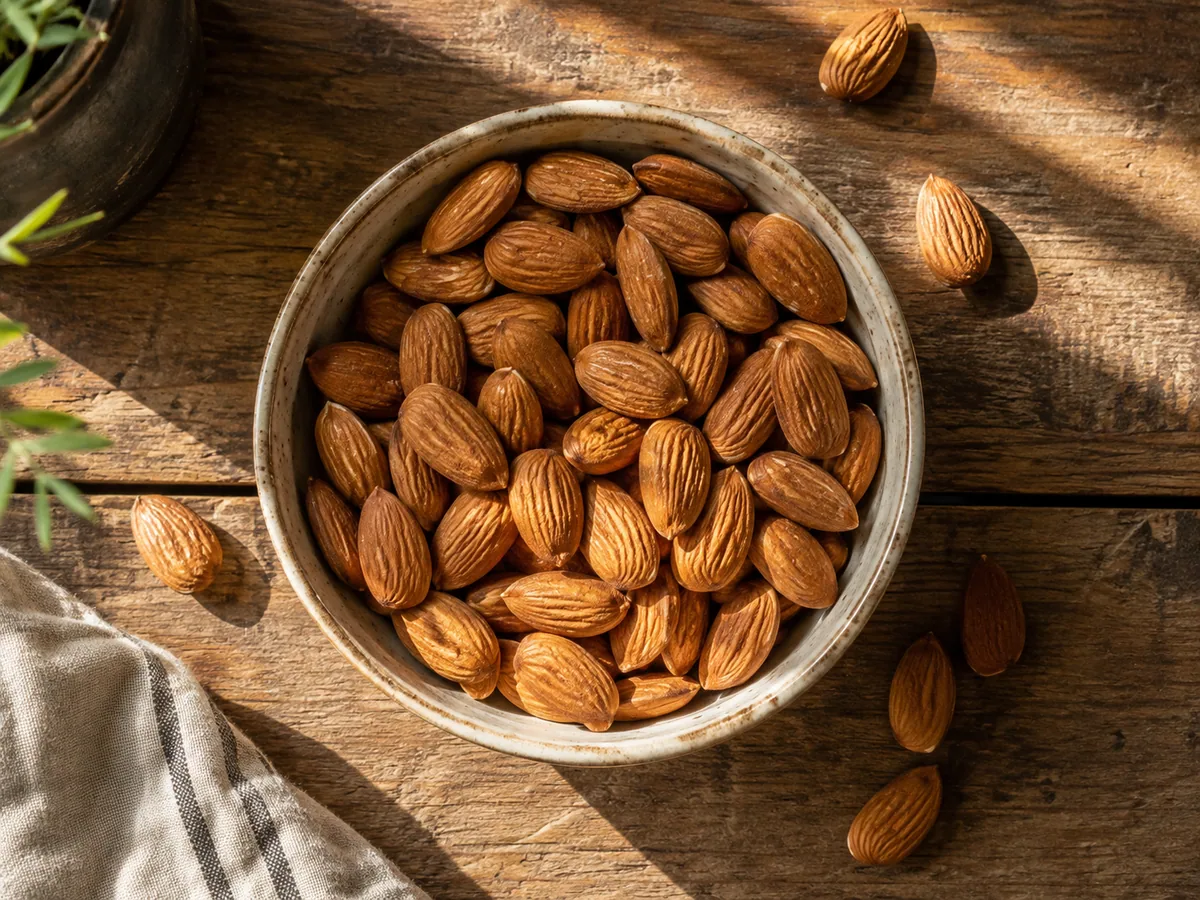
Almonds
Almonds are an easy, portable food rich in unsaturated fat, and they work in both sweet and savory cooking, which makes them simple to keep in rotation.
Type of fat
Mostly monounsaturated fat, with some polyunsaturated fat.
What it provides
Almonds provide monounsaturated fat along with vitamin E, magnesium, fiber, and plant protein.Sources: American Heart Association: 4 Ways to Get Good Fats; NIH Office of Dietary Supplements: Vitamin E; NIH Office of Dietary Supplements: Magnesium
Simple ways to use it
Eat a small handful as a snack, slice them over green beans or salads, blend them into sauces, or use almond butter with no added sugar or oil in place of sweeter spreads.
Choosing and portioning: Plain, unsalted or lightly salted almonds are the most flexible choice. Flavored, honey-roasted, and candied varieties can carry added sugar and sodium, so compare Nutrition Facts labels.
Good to know: Almonds are a tree nut, a major food allergen in the United States.Source: FDA: Food Allergies, What You Need to Know
5 of 15
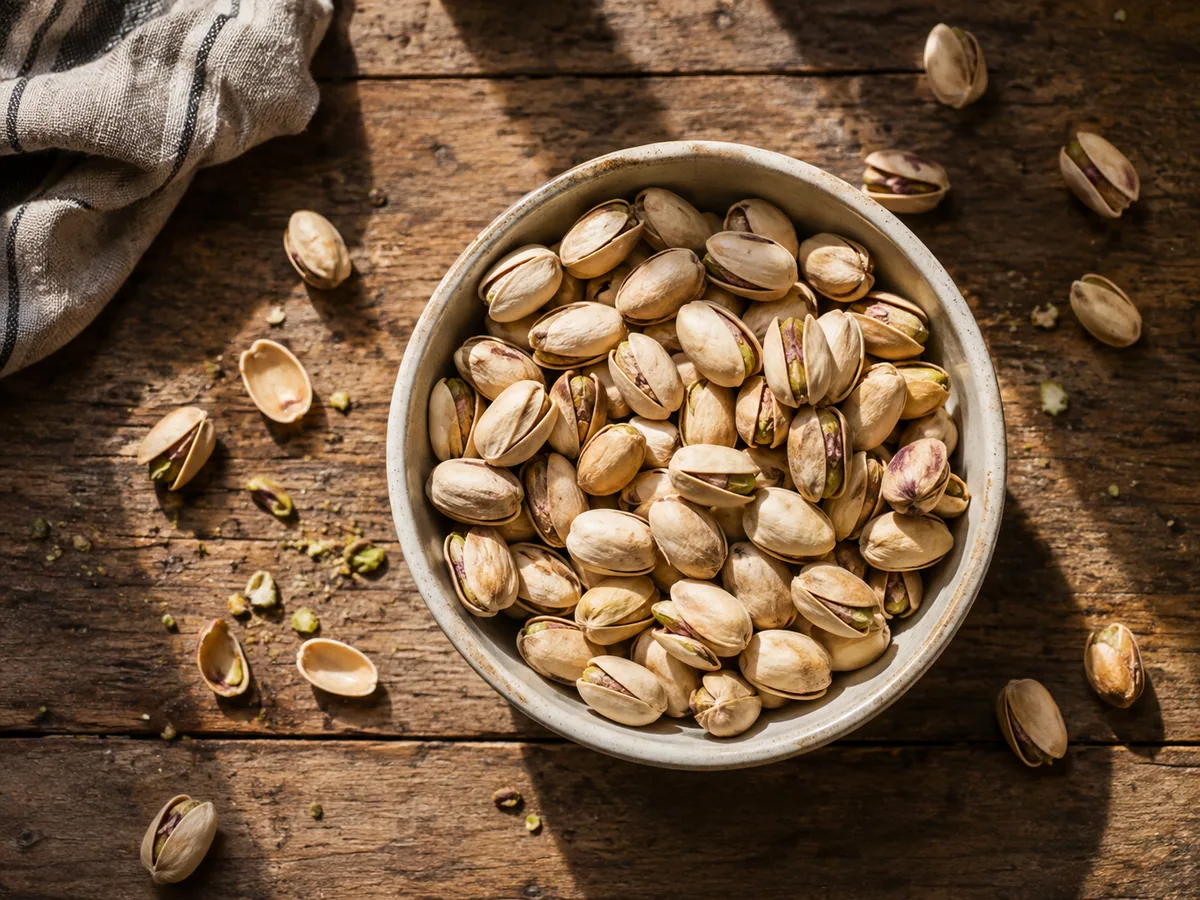
Pistachios
Pistachios are nuts whose fat is mostly unsaturated, and they work as both a snack and an ingredient in sweet or savory dishes.
Type of fat
Mostly monounsaturated and polyunsaturated fat.
What it provides
Pistachios provide unsaturated fat, plant protein, and fiber, and they fit the nuts-and-seeds group emphasized in heart-healthy eating patterns.Source: American Heart Association: 4 Ways to Get Good Fats
Simple ways to use it
Snack on them in the shell, chop them over roasted vegetables or fish, fold them into grain salads, or use them as the crunch in a yogurt bowl.
Choosing and portioning: Look for unsalted or lightly salted pistachios. Heavily salted versions can add a meaningful amount of sodium, especially since it is easy to eat more than one portion.
Label note: Salted and seasoned pistachios are a common source of added sodium in a snack. Compare labels and pick the lower-sodium option when both are available.
Good to know: Pistachios are a tree nut, a major food allergen in the United States.Source: FDA: Food Allergies, What You Need to Know
6 of 15
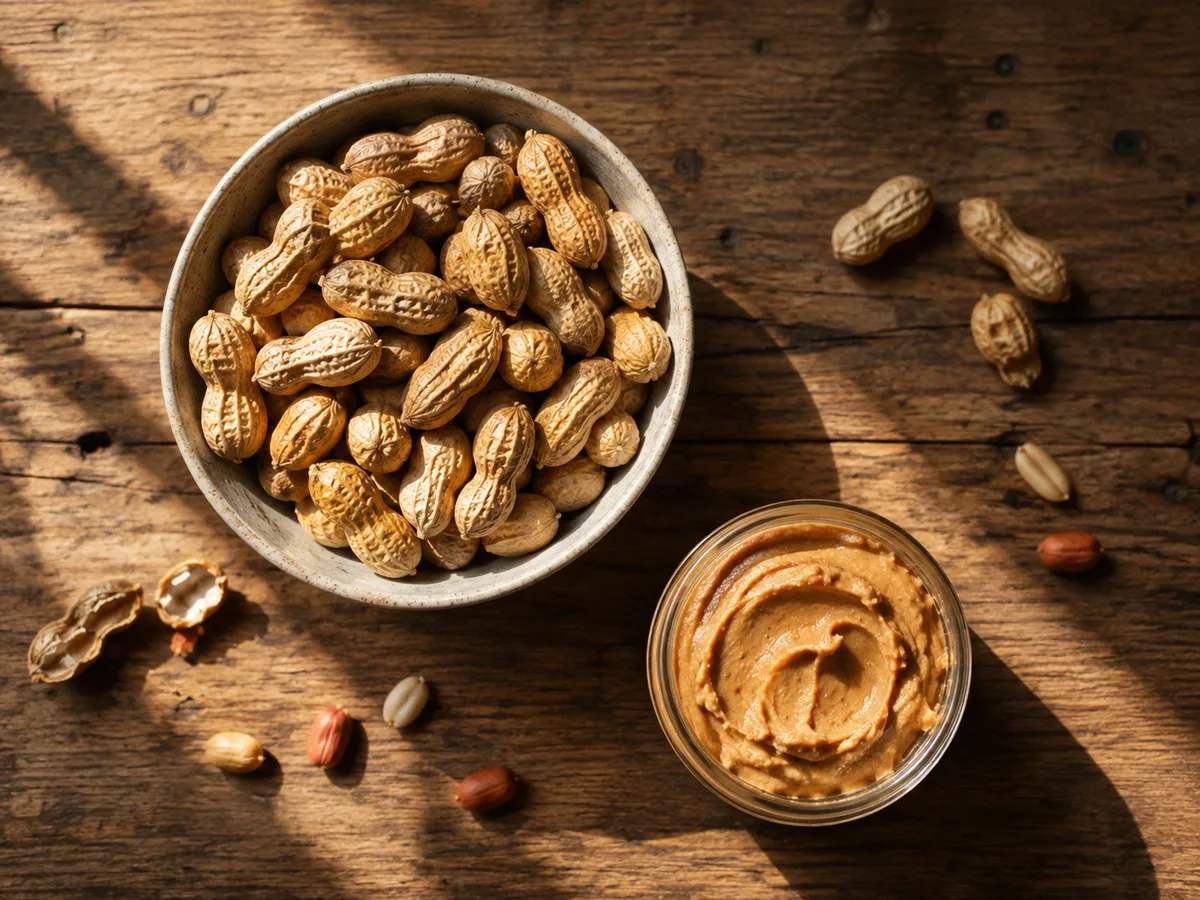
Peanuts and Natural Peanut Butter
Peanuts are botanically legumes rather than tree nuts, but nutritionally they are usually grouped with nuts because their fat is mostly unsaturated and they bring protein and fiber along with it.
Type of fat
Mostly monounsaturated and polyunsaturated fat.
What it provides
Peanuts and peanut butter provide unsaturated fat, plant protein, and fiber. Peanut butter is one of the practical swaps suggested in heart-healthy guidance for spreads made largely of solid fats.Source: American Heart Association: 4 Ways to Get Good Fats
Simple ways to use it
Spread natural peanut butter on whole-grain toast or apple slices, stir it into a savory sauce with lime and a lower-sodium soy sauce or tamari, or use unsalted peanuts as a crunchy topping for stir-fries and salads.
Choosing and portioning: The word "natural" on the front of a jar is not a guarantee of low sodium, low sugar, or no added oils. Turn the jar around and read the ingredient list and the Nutrition Facts label: the shortest lists are usually peanuts, or peanuts and salt.
Label note: Peanut butters vary widely in added salt and added sugar, and salted peanuts add sodium quickly. Comparing two labels on the shelf is the fastest way to see the difference.
Good to know: Peanuts are a major food allergen in the United States, and peanut allergy can be severe.Source: FDA: Food Allergies, What You Need to Know
7 of 15
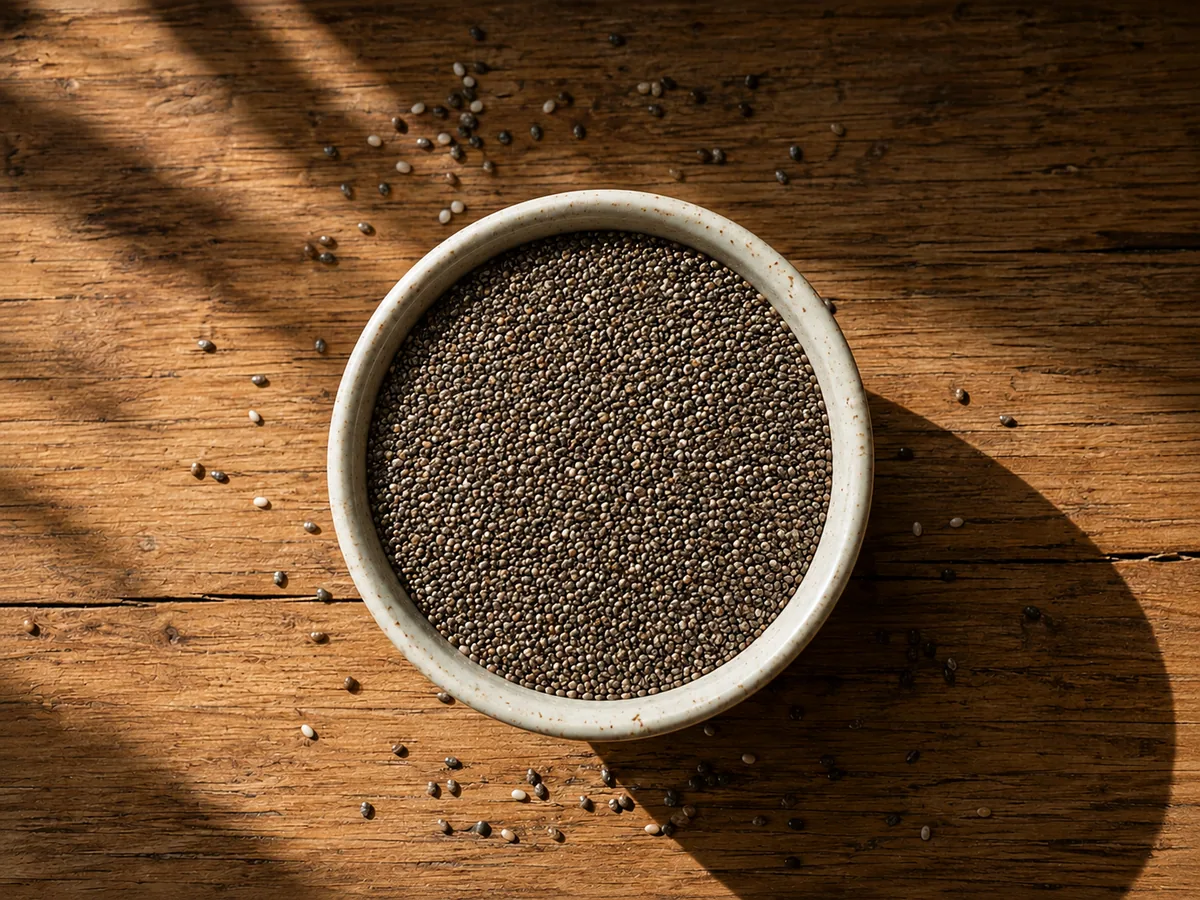
Chia Seeds
Chia seeds are a small, shelf-stable way to add polyunsaturated fat and fiber to foods you already eat, and they need no cooking.
Type of fat
Mostly polyunsaturated fat, including the plant omega-3 ALA.
What it provides
Chia seeds provide ALA and dietary fiber. As with walnuts and flaxseed, ALA is a plant omega-3 and is not the same as the EPA and DHA found in fish.Source: NIH Office of Dietary Supplements: Omega-3 Fatty Acids
Simple ways to use it
Stir them into yogurt, oatmeal, or smoothies, or soak them in milk or a milk alternative for several hours to make a pudding. They absorb a lot of liquid and form a gel, which is what thickens those preparations.
Choosing and portioning: Chia seeds absorb liquid and form a gel, so stir them thoroughly into moist foods or soak them before serving.
8 of 15
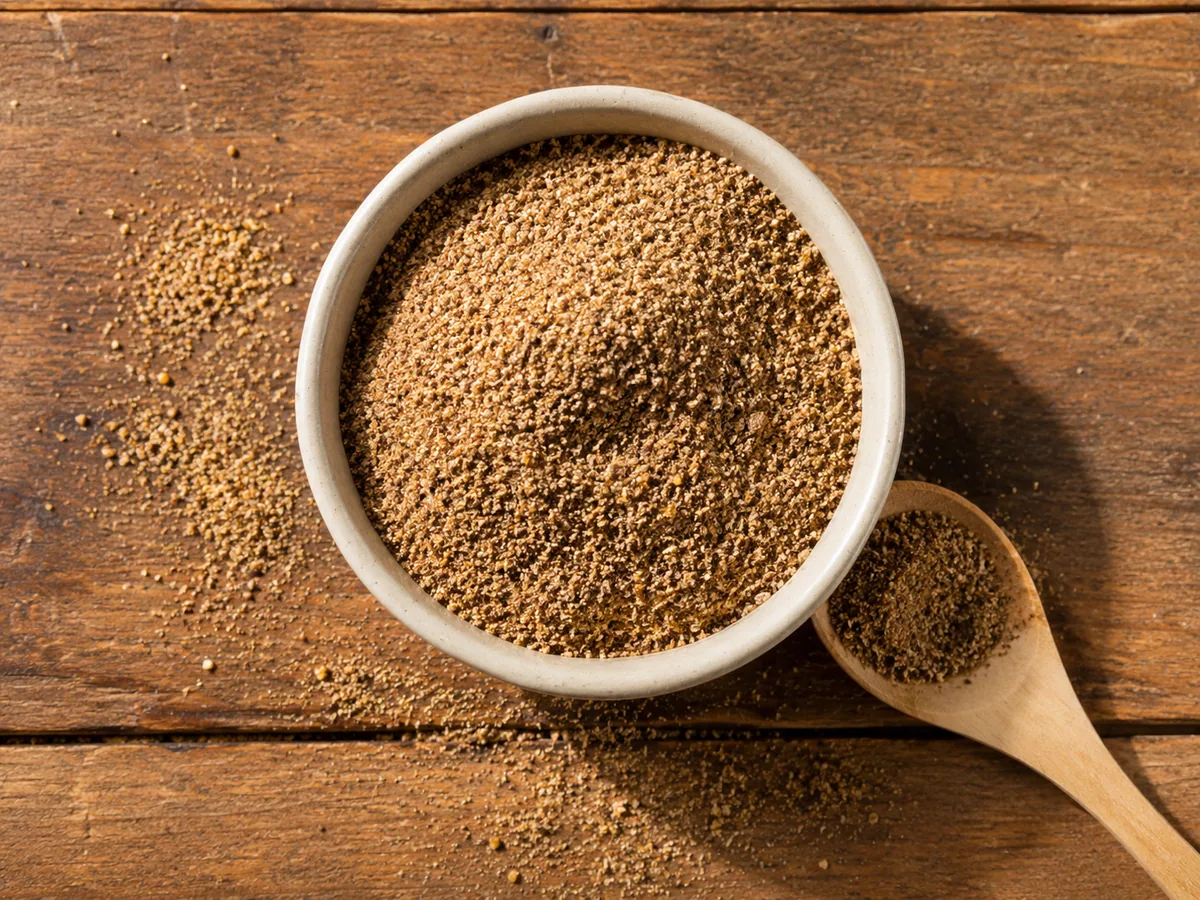
Ground Flaxseed
Ground flaxseed is an inexpensive way to add ALA and fiber to breakfasts and baked goods. Grinding matters, because whole flaxseeds can pass through largely intact.
Type of fat
Mostly polyunsaturated fat, including the plant omega-3 ALA.
What it provides
Ground flaxseed provides ALA and dietary fiber. ALA is the plant form of omega-3 and is not equivalent to the EPA and DHA in fatty fish.Sources: NIH Office of Dietary Supplements: Omega-3 Fatty Acids; MedlinePlus: Healthy Food Trends: Flaxseeds
Simple ways to use it
Stir a spoonful into oatmeal, yogurt, or a smoothie, whisk it into pancake or muffin batter, or sprinkle it over a grain bowl. Use "ground flaxseed" consistently in recipes rather than whole seeds when you want the nutrients to be available.
Choosing and portioning: Buy ground flaxseed in a quantity you can use reasonably soon, keep it tightly sealed, and follow the storage directions on the package.
Good to know: If you use flaxseed regularly and take prescription medication, ask a clinician or pharmacist whether flaxseed could affect how your medicine works.Source: MedlinePlus: Healthy Food Trends: Flaxseeds
9 of 15
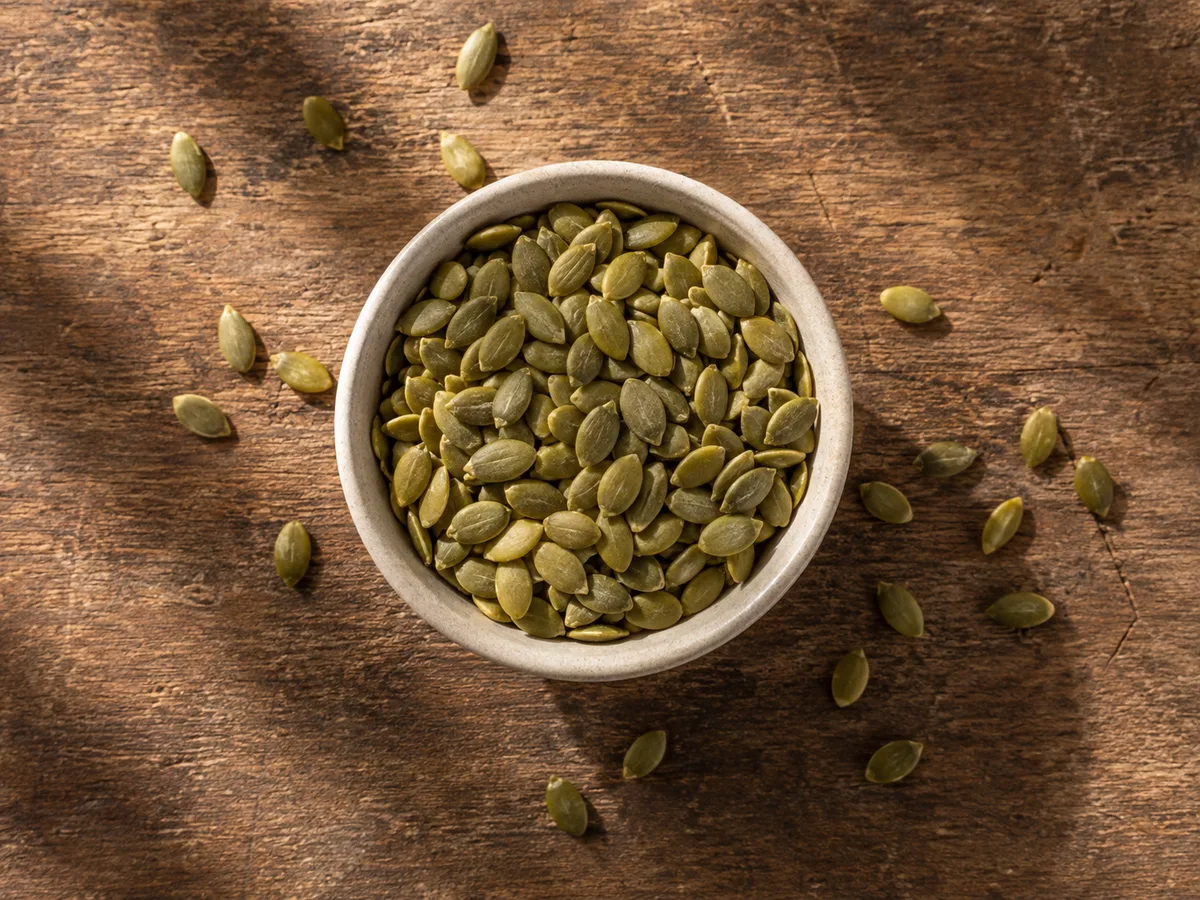
Pumpkin Seeds
Shelled pumpkin seeds, or pepitas, are a savory, crunchy source of unsaturated fat that works well anywhere you would otherwise use croutons or a salty snack.
Type of fat
Mostly polyunsaturated fat, with some monounsaturated fat.
What it provides
Pumpkin seeds provide unsaturated fat, magnesium, plant protein, and fiber.Sources: American Heart Association: 4 Ways to Get Good Fats; NIH Office of Dietary Supplements: Magnesium
Simple ways to use it
Toast them briefly in a dry pan and scatter them over soups, salads, roasted squash, or yogurt, or blend them into a seed-based sauce.
Choosing and portioning: Choose unsalted pepitas when you can. Pre-seasoned versions are often salted heavily, and it is easy to eat several portions from a bag without noticing.
Label note: Salted and seasoned pumpkin seeds can add a lot of sodium for a small volume of food. Compare labels and buy plain seeds if you plan to season them yourself.
10 of 15
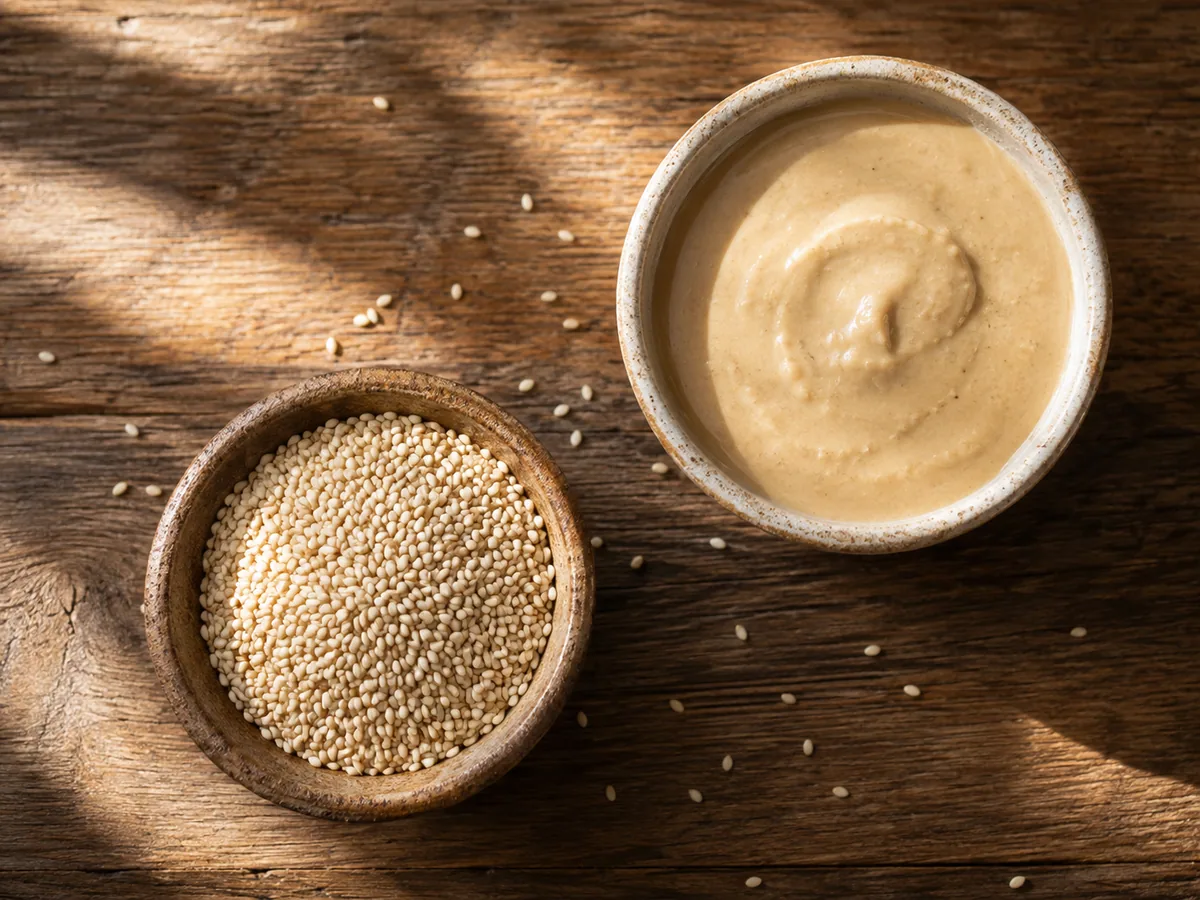
Sesame Seeds and Tahini
Sesame seeds provide unsaturated fat and a mild, nutty flavor. Tahini is a creamy paste made from ground sesame seeds that can be thinned with lemon juice and water for dressings, dips, and sauces.
Type of fat
Mostly polyunsaturated and monounsaturated fat.
What it provides
Sesame seeds and tahini provide a mix of monounsaturated and polyunsaturated fats. Tahini is made by grinding sesame seeds into a paste, so its fat profile follows the seed.Source: American Heart Association: Fats in Foods
Simple ways to use it
Sprinkle toasted sesame seeds over vegetables, noodles, or salads, and thin tahini with lemon juice and water to make a dressing or a drizzle for roasted vegetables, falafel, or grain bowls.
Choosing and portioning: Ingredient lists differ. Some tahini is only sesame seeds; other prepared tahini products and tahini-based sauces contain salt or other ingredients depending on the formulation, so read the label.
Label note: Sodium varies by product. Pure tahini made only from sesame may have no added salt, while prepared tahini sauces and dressings can contain added sodium. Compare the ingredient list and Nutrition Facts label.
Good to know: Sesame is a major food allergen in the United States and must be declared on packaged food labels.Source: FDA: Food Allergies, What You Need to Know
11 of 15
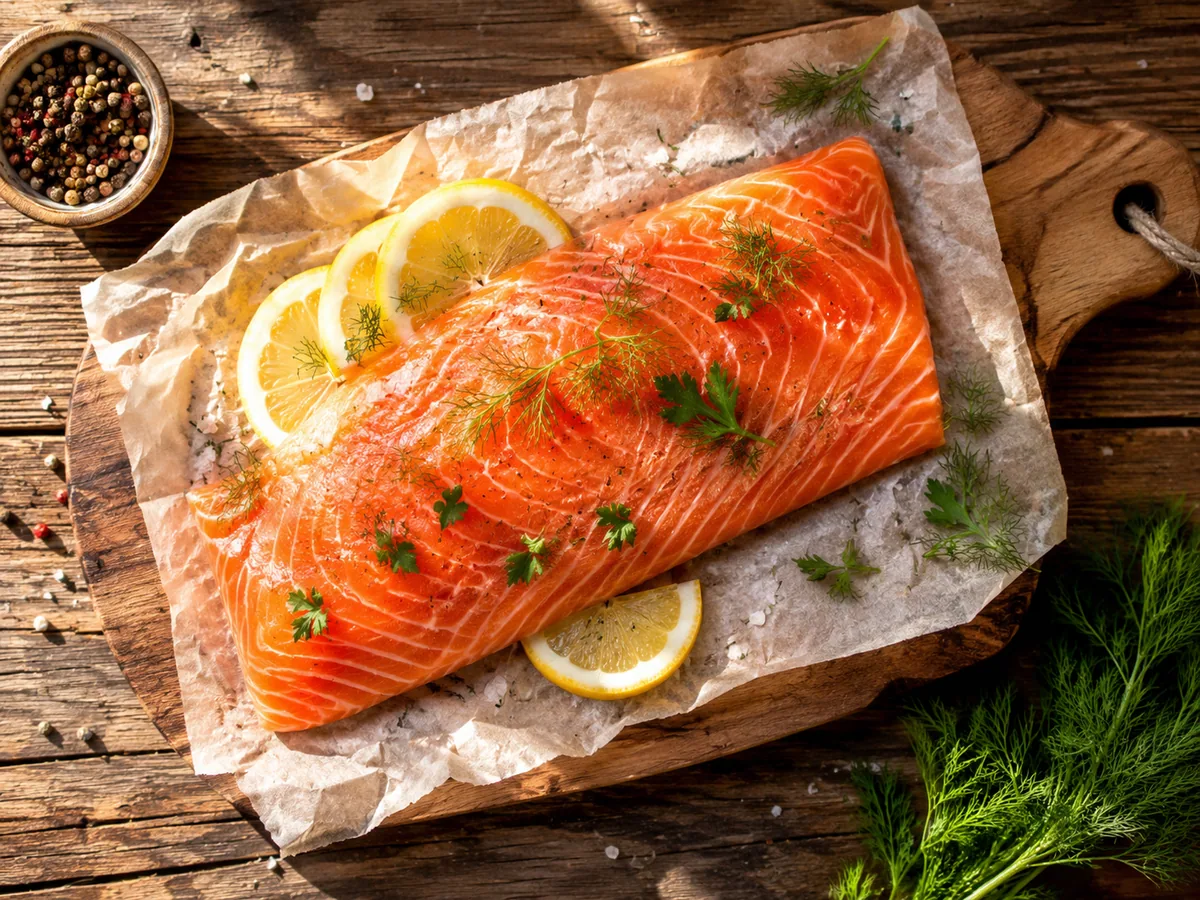
Salmon
Salmon is a widely available fatty fish that provides the long-chain omega-3 fats EPA and DHA.
Type of fat
Mostly unsaturated fat, including the long-chain omega-3s EPA and DHA.
What it provides
Salmon provides EPA and DHA along with protein. NIH explains that EPA and DHA are found mainly in fish and other seafood, while the plant omega-3 ALA is found mainly in plant oils, nuts, and seeds.Sources: NIH Office of Dietary Supplements: Omega-3 Fatty Acids; FDA: Advice about Eating Fish
Simple ways to use it
Roast or bake fillets with lemon and herbs, sear them for grain bowls and salads, or flake cooked salmon into a lunch bowl in place of a processed or fatty meat.
Choosing and portioning: Fresh, frozen, and canned salmon can all fit into a balanced eating pattern. Canned and smoked products vary in sodium, so compare labels if you use them regularly.
Good to know: Cook salmon to an internal temperature of 145°F and follow FDA guidance on selecting, storing, and preparing seafood safely. People who are pregnant or breastfeeding, and children, should follow current FDA and EPA advice about which fish to choose and how often to eat it. Fish is also a major food allergen in the United States.Sources: FDA: Advice about Eating Fish; FDA: Selecting and Serving Fresh and Frozen Seafood Safely; FDA: Food Allergies, What You Need to Know
12 of 15
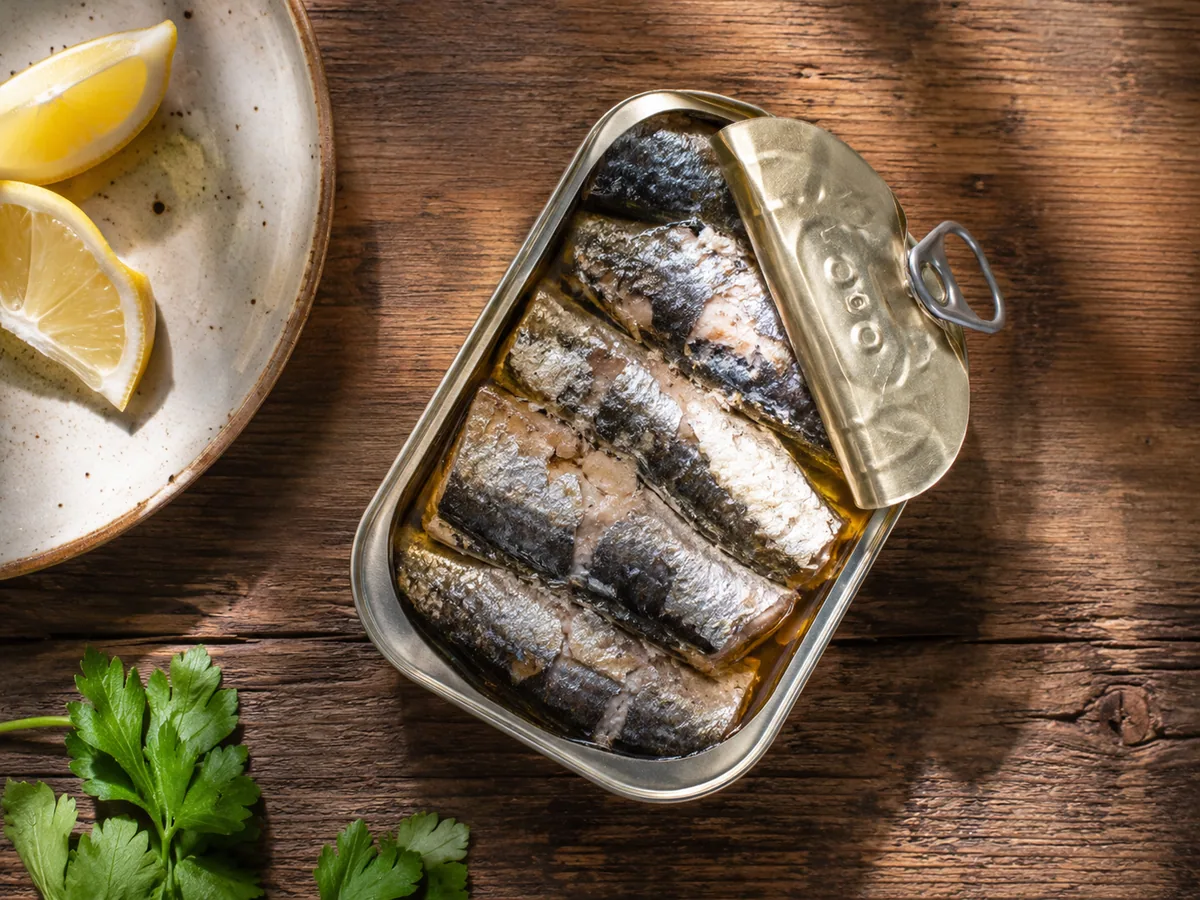
Sardines
Sardines are an inexpensive, shelf-stable way to get EPA and DHA without cooking fish from scratch, which makes them practical for weekday meals.
Type of fat
Mostly unsaturated fat, including EPA and DHA.
What it provides
Sardines provide EPA and DHA plus protein. Canned sardines that include soft edible bones can also provide calcium when the bones are eaten.Sources: NIH Office of Dietary Supplements: Omega-3 Fatty Acids; USDA FoodData Central: Sardine, Atlantic, canned in oil, drained solids with bone
Simple ways to use it
Mash them onto whole-grain toast with lemon, fold them into a tomato pasta sauce, or add them to a salad with olives, herbs, and greens.
Choosing and portioning: Sardines packed in olive oil, water, or tomato sauce can vary in sodium and added ingredients. Compare Nutrition Facts labels, and look for no-salt-added options when available.
Label note: Canned sardines can contain a substantial amount of sodium depending on the product. Compare Nutrition Facts labels and consider no-salt-added versions where they are available.
Good to know: Fish is a major food allergen in the United States, and pregnancy, breastfeeding, and childhood servings should follow the FDA and EPA advice about eating fish.Sources: FDA: Food Allergies, What You Need to Know; FDA: Advice about Eating Fish
13 of 15
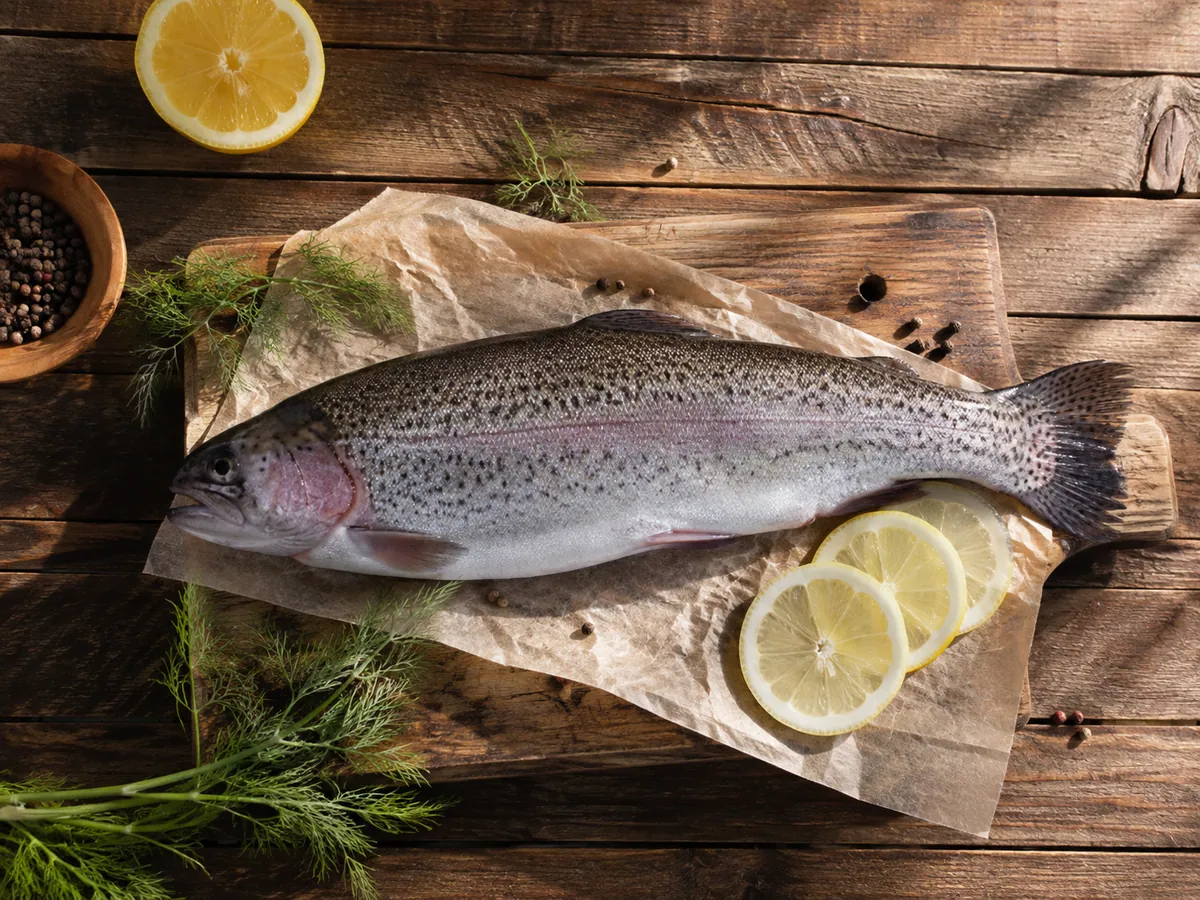
Trout
Trout is a mild fatty fish that can be prepared in many of the same ways as salmon and offers another source of EPA and DHA.
Type of fat
Mostly unsaturated fat, including EPA and DHA.
What it provides
Trout provides EPA and DHA along with protein, and it appears among the seafood choices in FDA and EPA advice on eating fish.Sources: NIH Office of Dietary Supplements: Omega-3 Fatty Acids; FDA: Advice about Eating Fish
Simple ways to use it
Roast or pan-cook plain fresh or frozen fillets with lemon, herbs, and a little olive oil, or serve flaked trout over greens or grains.
Choosing and portioning: Plain fresh or frozen trout is different from smoked trout. Smoked trout often contains more sodium, so compare labels and use it as a flavor-focused ingredient.
Label note: Compare the sodium per serving when choosing between plain and smoked trout.
Good to know: Cook trout to an internal temperature of 145°F and follow FDA seafood-safety guidance for storage and preparation. People who are pregnant or breastfeeding, and children, should follow current FDA and EPA fish advice. Fish is also a major food allergen.Sources: FDA: Selecting and Serving Fresh and Frozen Seafood Safely; FDA: Advice about Eating Fish; FDA: Food Allergies, What You Need to Know
14 of 15
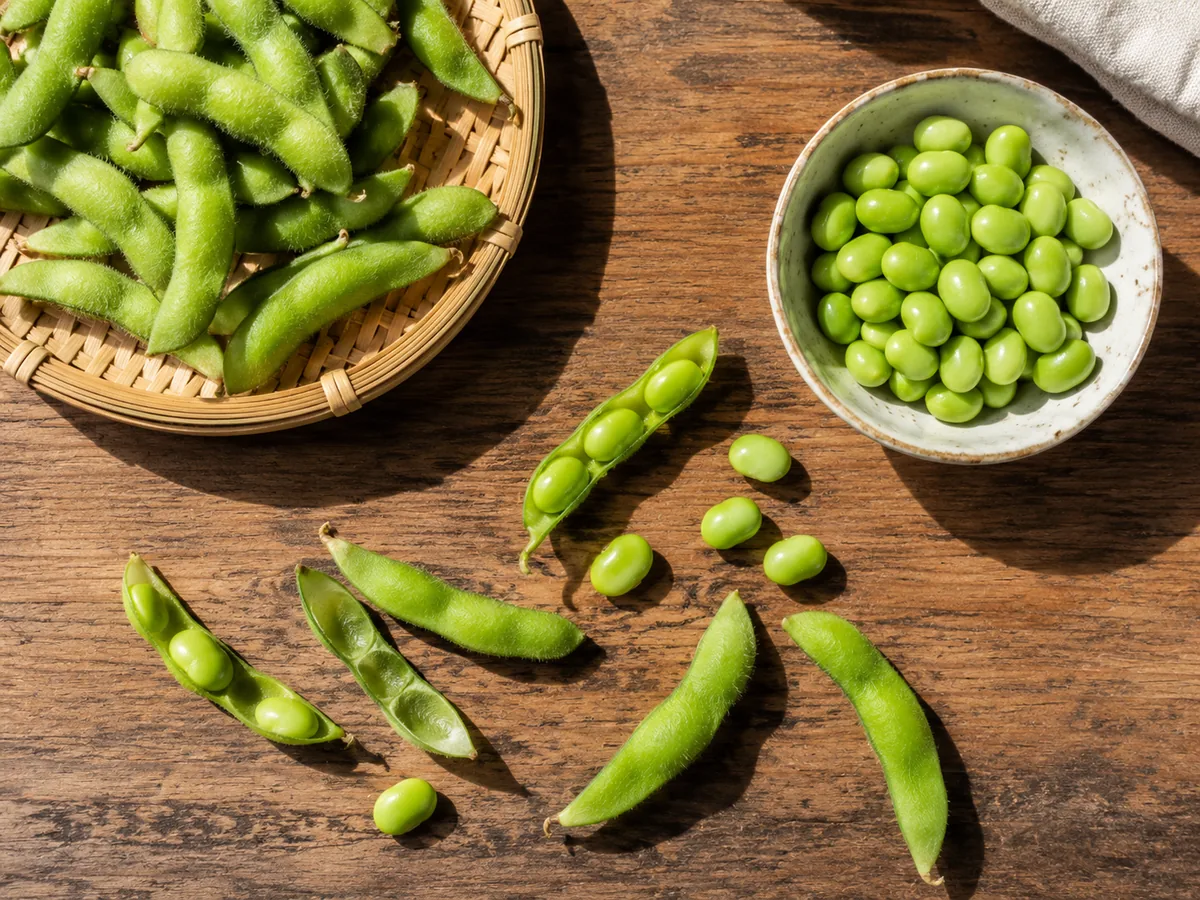
Edamame and Soybeans
Soy foods provide polyunsaturated fat along with protein and fiber, which makes them a useful alternative to some processed or fattier meats.
Type of fat
Mostly polyunsaturated fat, with some monounsaturated fat.
What it provides
Edamame and soybeans provide polyunsaturated fat, plant protein, and fiber, and soy foods appear in dietary guidance as a protein option alongside seafood, beans, peas, and lentils.Source: Dietary Guidelines for Americans, 2025–2030
Simple ways to use it
Steam edamame in the pod as a snack, toss shelled edamame into salads, grain bowls, and stir-fries, or use it as the protein in a quick lunch bowl instead of a processed meat.
Choosing and portioning: Frozen shelled or in-pod edamame is the simplest form to keep on hand. Choose plain rather than pre-seasoned when possible so you control the salt.
Label note: Restaurant and pre-seasoned edamame can contain added salt. Choosing plain frozen edamame gives you control over how much salt is added.
Good to know: Soybeans are a major food allergen in the United States.Source: FDA: Food Allergies, What You Need to Know
15 of 15
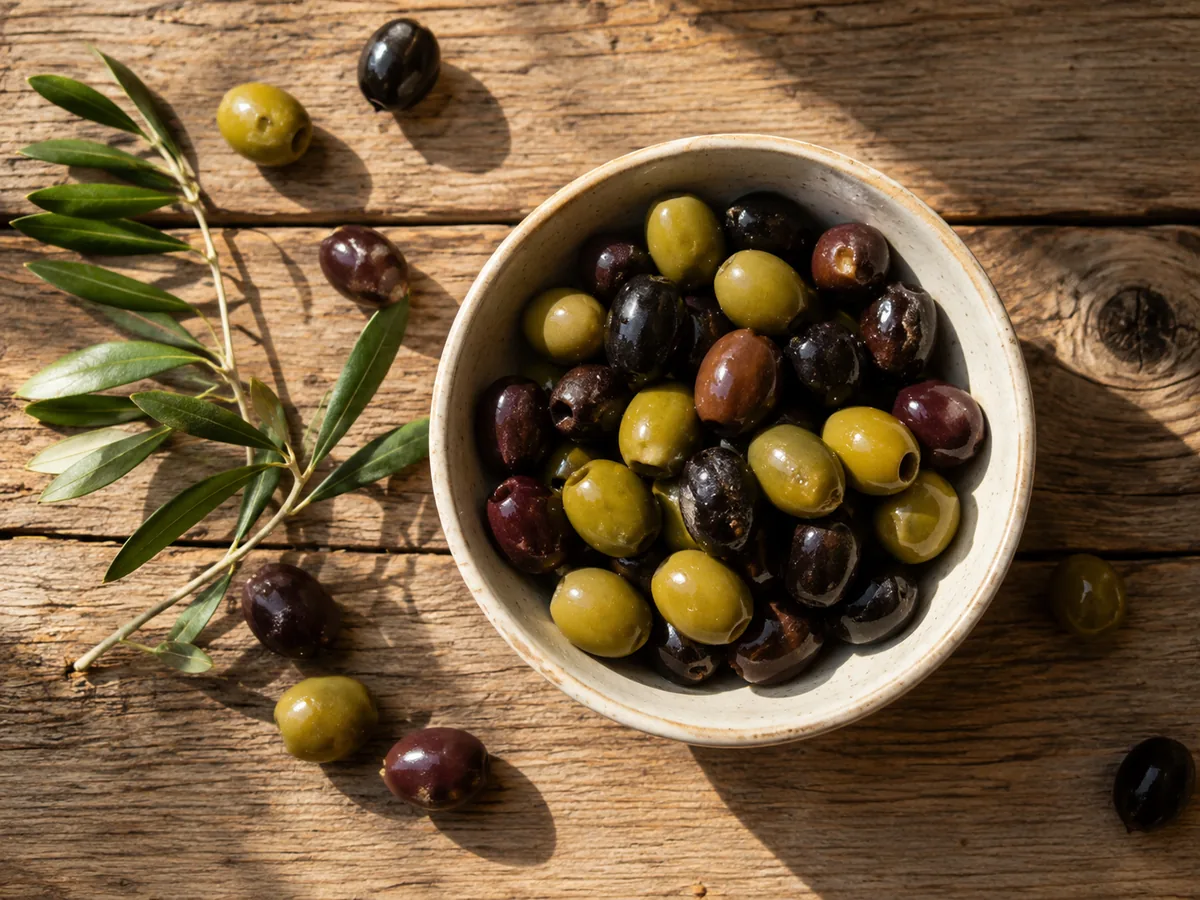
Olives
Olives deliver monounsaturated fat with a briny, savory punch, which is why a small quantity can do a lot of work in a salad or grain bowl.
Type of fat
Mostly monounsaturated fat.
What it provides
Olives provide monounsaturated fat, the same broad type of fat that dominates the oil pressed from them.Source: American Heart Association: Fats in Foods
Simple ways to use it
Chop a few into salads, pasta, grain bowls, or a tomato sauce, or serve them as part of a snack plate with vegetables and whole-grain crackers.
Choosing and portioning: Most table olives are cured in brine, so they are not a naturally low-sodium food. Compare Nutrition Facts labels between brands and styles, rinse them if you like, and keep the portion to a small handful.
Label note: Because of brine curing, olives can contribute a substantial amount of sodium for a small serving. Treat them as a flavor accent rather than an unlimited snack, especially if you are watching sodium.
How to Replace Saturated Fat With Unsaturated Fat
Swaps are where this list becomes useful. None of these work in every recipe. Butter behaves differently from oil in baking, and fish will not stand in for beef everywhere, but each one is a reasonable place to start.
- Olive oil instead of butter for some sautéing, roasting, and dressings, where the flavor suits the dish.
- Avocado instead of a heavily salted creamy spread on toast, sandwiches, and wraps.
- Unsalted nuts or seeds instead of chips or other heavily salted snacks, in a portion you decide on in advance.
- Fish or soy foods in place of some processed or fatty meats during the week, such as salmon or edamame in a bowl instead of bacon or sausage.
- Natural peanut butter instead of spreads high in added sugar or solid fats, after comparing the ingredient lists on both jars.
Portions and Calorie Density
Oils, nuts, seeds, nut butters, avocado, and olives can be nutrient-rich, and they are also energy-dense: fat carries more calories per gram than protein or carbohydrate, so a small volume of food goes a long way. “Healthy fat” does not mean unlimited portions.
A practical habit is to look at the serving size on the Nutrition Facts label before you pour or scoop, and to portion nuts and seeds into a dish rather than eating from the bag. What counts as the right amount depends on your own calorie needs and the rest of your diet, and there is no universal number that applies to everyone. A registered dietitian can help you set targets that fit your situation.
Source: Dietary Guidelines for Americans, 2025–2030What About Butter, Coconut Oil, and Palm Oil?
These three come up constantly, so they deserve a straight answer rather than a scare. All three contain more saturated fat than most nontropical liquid plant oils, which is the reason they sit outside the main list on this page. They do not need to be treated as forbidden foods, but their fat profiles are not equivalent to those of nontropical liquid plant oils.
Heart-healthy guidance generally recommends limiting saturated fat and replacing some of it with unsaturated fat, and the American Heart Association’s guidance on cooking oils treats nontropical liquid plant oils as the everyday default. Coconut oil is a useful example of why “plant-based” is not the deciding factor: it is plant-derived like olive oil, but its fat profile is much higher in saturated fat, so the two are not equivalent choices simply because both come from plants.
Portion and frequency still matter within the overall dietary pattern. Using butter or coconut oil occasionally for a particular flavor is different from relying on saturated-fat-rich choices as the main source of cooking fat.
Sources: American Heart Association: Saturated Fats; American Heart Association: Healthy Cooking OilsFrequently Asked Questions
What are healthy fats?
In everyday use, "healthy fats" usually means foods that are rich in monounsaturated and polyunsaturated fat rather than saturated or trans fat. Heart-healthy guidance encourages replacing some saturated fat in the diet with unsaturated fat instead of simply adding more fat overall.Sources: American Heart Association: Fats in Foods; American Heart Association: Saturated Fats
Are all high-fat foods healthy?
No. The type of fat matters more than the total amount. Some high-fat foods are rich in unsaturated fat, while others are higher in saturated fat, and many processed high-fat foods also carry a lot of sodium or added sugar. Total fat alone does not tell you where a food fits.Source: American Heart Association: Fats in Foods
What is the difference between monounsaturated and polyunsaturated fat?
Both are unsaturated fats and both are emphasized over saturated fat. Monounsaturated fat is prominent in olive oil, avocado, many nuts, peanuts, and olives. Polyunsaturated fat is prominent in walnuts, seeds, soy foods, and fish, and it includes the omega-3 family.Source: American Heart Association: Fats in Foods
Are nuts and seeds too high in calories?
Nuts and seeds are energy-dense, so portion size matters, but that does not make them off-limits. They tend to fit best when they take the place of something else, such as a salty snack or a topping made mostly of solid fat, rather than being added on top of everything you already eat.Source: American Heart Association: 4 Ways to Get Good Fats
Is olive oil healthier than butter?
Olive oil is a nontropical liquid plant oil that is mostly unsaturated fat, while butter contains considerably more saturated fat. Heart-healthy guidance generally recommends limiting saturated fat and using liquid plant oils in its place for some cooking. That is a statement about the fat profile, not a promise about any individual's health outcome.Sources: American Heart Association: Healthy Cooking Oils; American Heart Association: Saturated Fats
Is coconut oil considered a healthy fat?
Coconut oil is plant-derived, but it is high in saturated fat, which puts it in a different category from nontropical liquid plant oils such as olive or canola oil. Being plant-based does not by itself make an oil equivalent to olive oil.Sources: American Heart Association: Saturated Fats; American Heart Association: Healthy Cooking Oils
Do I need to eat fish to get omega-3 fats?
Plant foods such as walnuts, chia seeds, and ground flaxseed provide the omega-3 ALA, and seafood such as salmon, sardines, and trout provides EPA and DHA. The body converts only a limited amount of ALA into EPA and DHA, so plant sources and seafood are not simply interchangeable. If you do not eat fish, it is worth discussing your options with a clinician or registered dietitian.Source: NIH Office of Dietary Supplements: Omega-3 Fatty Acids
Are canned sardines and olives too high in sodium?
Both can contain a substantial amount of sodium, and the amount varies widely by product. Compare Nutrition Facts labels, look for no-salt-added sardines where they exist, and treat olives as a flavor accent in a reasonable portion rather than an unlimited snack.Sources: Dietary Guidelines for Americans, 2025–2030; FDA: How to Understand and Use the Nutrition Facts Label
Can this guide replace medical or dietary advice?
No. This is general nutrition education. Individual needs differ, and anyone with a medical condition, a food allergy, or a prescribed medication should get individualized guidance from a qualified clinician or registered dietitian.
Medical and Nutrition Disclaimer
This page provides general nutrition information for educational purposes only. It is not medical advice, diagnosis, or treatment, and it has not been reviewed by a physician or registered dietitian. The foods described here can fit into a heart-healthy eating pattern, but individual responses vary and no food replaces professional medical care or prescribed medication. Some foods on this page are major food allergens, and some require individualized guidance for people who are pregnant or breastfeeding, for children, or for anyone managing a medical condition. Talk with a qualified clinician or registered dietitian before making major dietary changes, and never stop or adjust prescribed medication without medical guidance.
References and Sources
- American Heart Association: Fats in FoodsOverview of dietary fat types and which foods contain them.
- American Heart Association: Healthy Cooking OilsGuidance on nontropical liquid plant oils used in everyday cooking.
- American Heart Association: Saturated FatsGuidance on limiting saturated fat and replacing it with unsaturated fat.
- American Heart Association: 4 Ways to Get Good FatsPractical ways to include more unsaturated fat foods.
- NIH Office of Dietary Supplements: Omega-3 Fatty AcidsConsumer fact sheet on ALA, EPA, and DHA and their food sources.
- FDA: Advice about Eating FishFDA and EPA advice about eating fish, including for pregnancy, breastfeeding, and children.
- FDA: Selecting and Serving Fresh and Frozen Seafood SafelyHow to select, store, and serve fresh and frozen seafood safely.
- FDA: Food Allergies, What You Need to KnowMajor food allergens in the United States and how they are labeled.
- FDA: Trans FatBackground on trans fat and partially hydrogenated oils in the U.S. food supply.
- USDA FoodData Central: Sardine, Atlantic, canned in oil, drained solids with boneDirect nutrient record for canned sardines with edible bones, including calcium.
- FDA: Selecting and Serving Produce SafelyFDA guidance on washing, separating, preparing, and storing fresh produce safely.
- MedlinePlus: Healthy Food Trends: FlaxseedsConsumer guidance on using ground flaxseed and possible medication considerations.
- NIH Office of Dietary Supplements: Vitamin ENIH consumer guidance on vitamin E and its food sources, including almonds.
- NIH Office of Dietary Supplements: MagnesiumNIH consumer guidance on magnesium and food groups that provide it, including nuts and seeds.
- FDA: How to Understand and Use the Nutrition Facts LabelFDA guidance on using serving sizes and Daily Values to compare sodium, saturated fat, and added sugars across packaged foods.
- Dietary Guidelines for Americans, 2025–2030Federal dietary guidance on overall eating patterns.
- USDA FoodData CentralUSDA nutrient composition database for foods.
Related Healthy Eating Guide
18 Foods That May Help Support Healthy Blood Pressure
Explore 18 whole and minimally processed foods that may fit into a blood-pressure-friendly eating pattern, including leafy greens, beans, oats, berries, nuts, seeds, and salmon.
Read the guide