
Recipe Guide
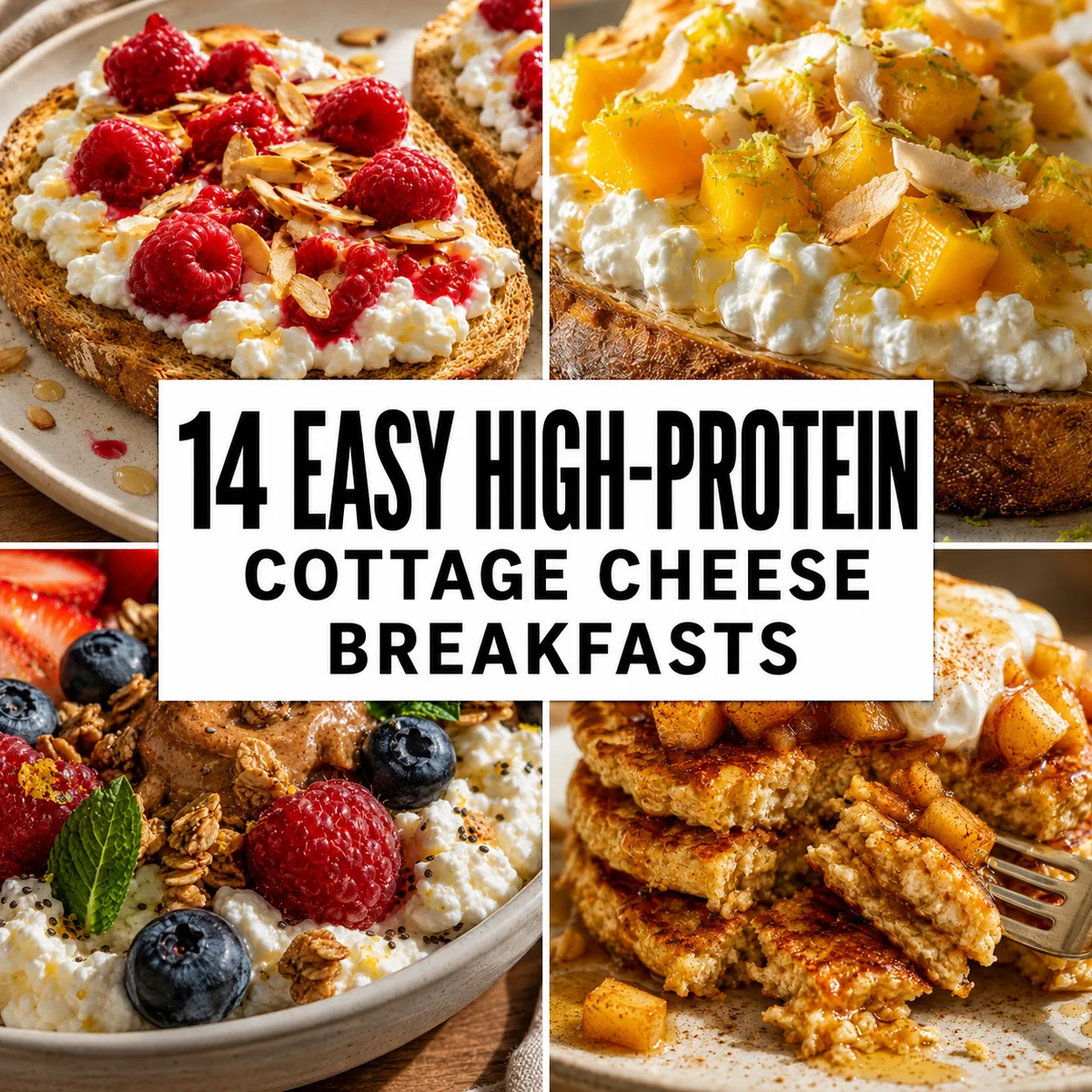
14 Easy High-Protein Cottage Cheese Breakfasts
Toast, Bowls, Pancakes, and French Toast
Cottage cheese has quietly become one of the most useful things in the fridge at breakfast. It is creamy, it keeps well, and it works just as happily under sliced peaches and honey as it does with tomatoes, herbs, and a crack of black pepper. These 14 recipes lean on that flexibility, so you can eat something different every morning without learning anything new.
The collection is split into three ways of using it: loaded toast you can build in about ten minutes, spoonable breakfast bowls that need no cooking at all, and pancakes plus French toast sticks for mornings with a little more time. Every recipe is one that already lives on Better Plate Recipes, with its own ingredients, timings, and nutrition figures on the recipe page. Start with whichever section matches the morning you are actually having.
Easy Cottage Cheese Toast Recipes
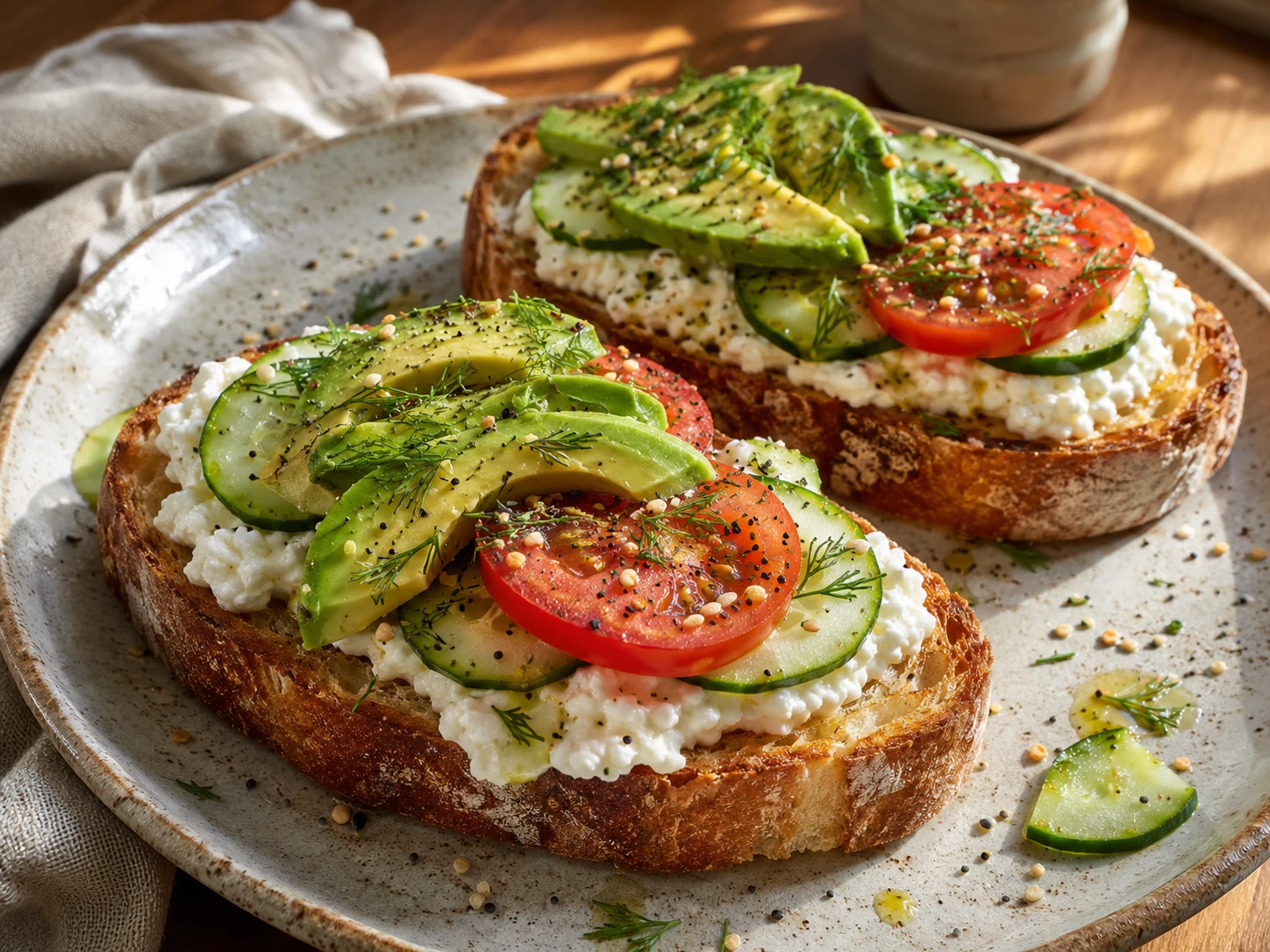
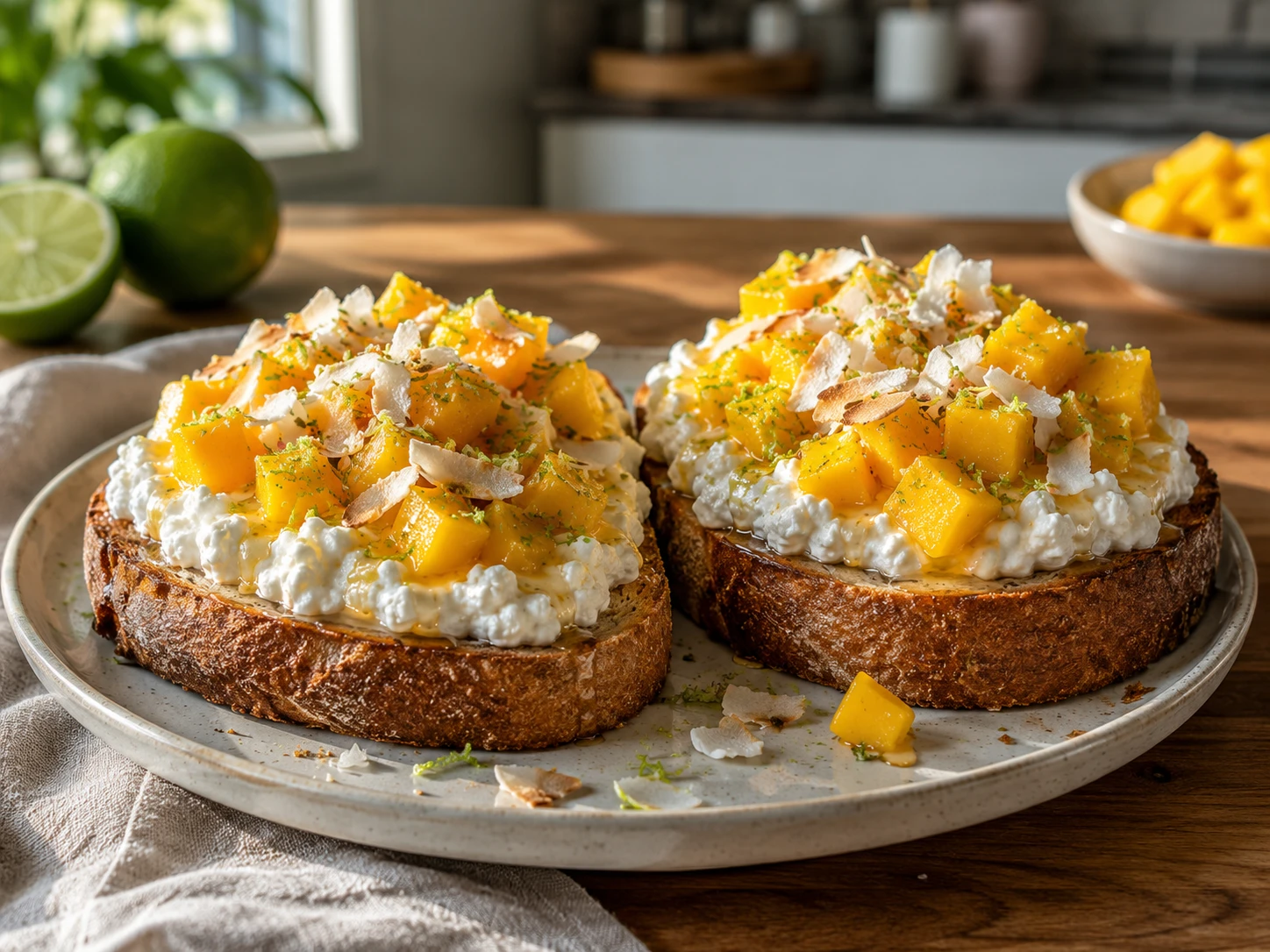
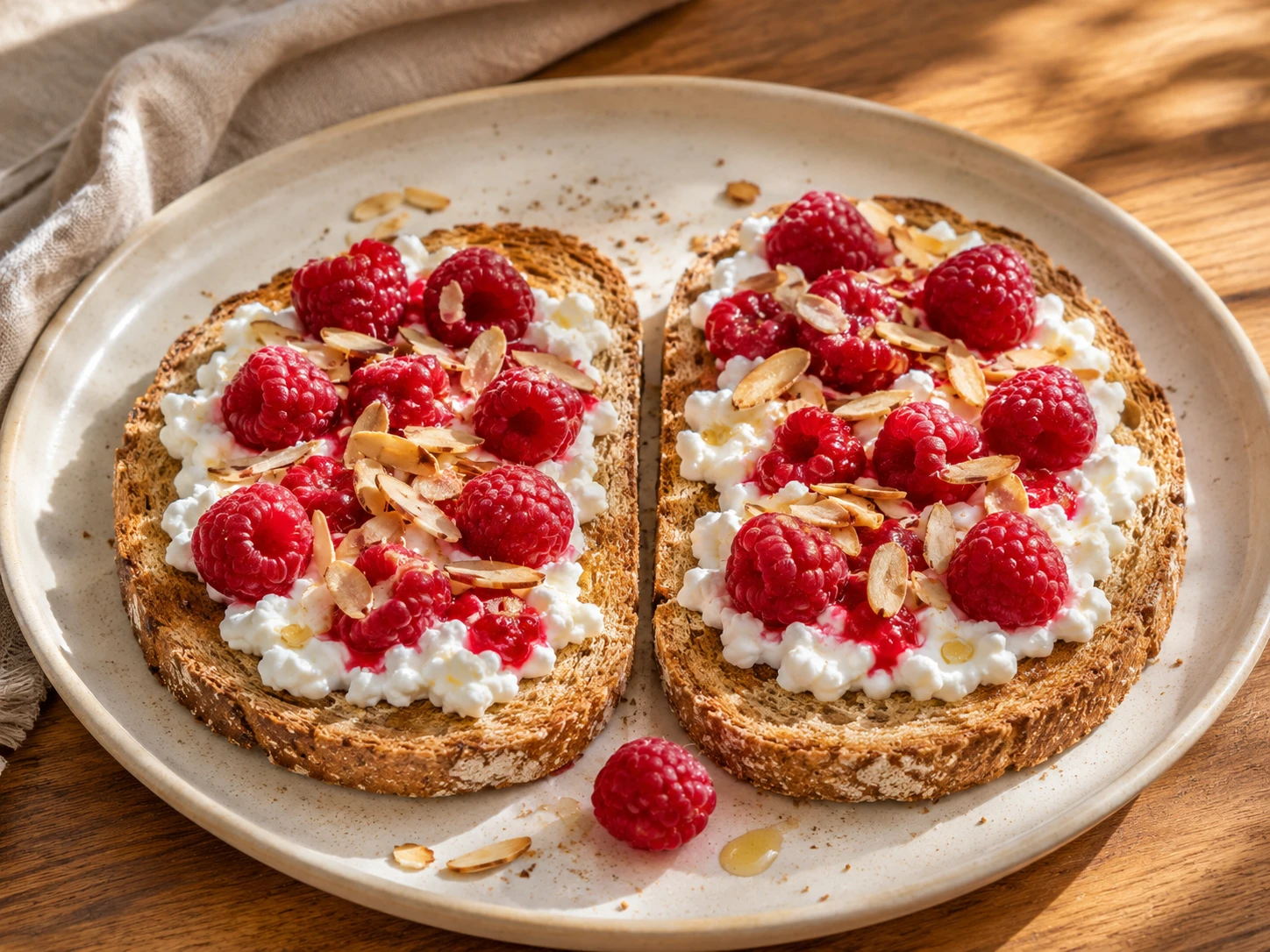
Toast is the fastest way in. Toast the bread well so it stays crisp under the cottage cheese, then build sweet or savory from there — most of these are ready in about ten minutes.



High-Protein Cottage Cheese Breakfast Bowls
No cooking, one bowl, and a spoon. These lean on cottage cheese as the base and let fruit, granola, or vegetables and herbs decide whether the morning is sweet or savory.


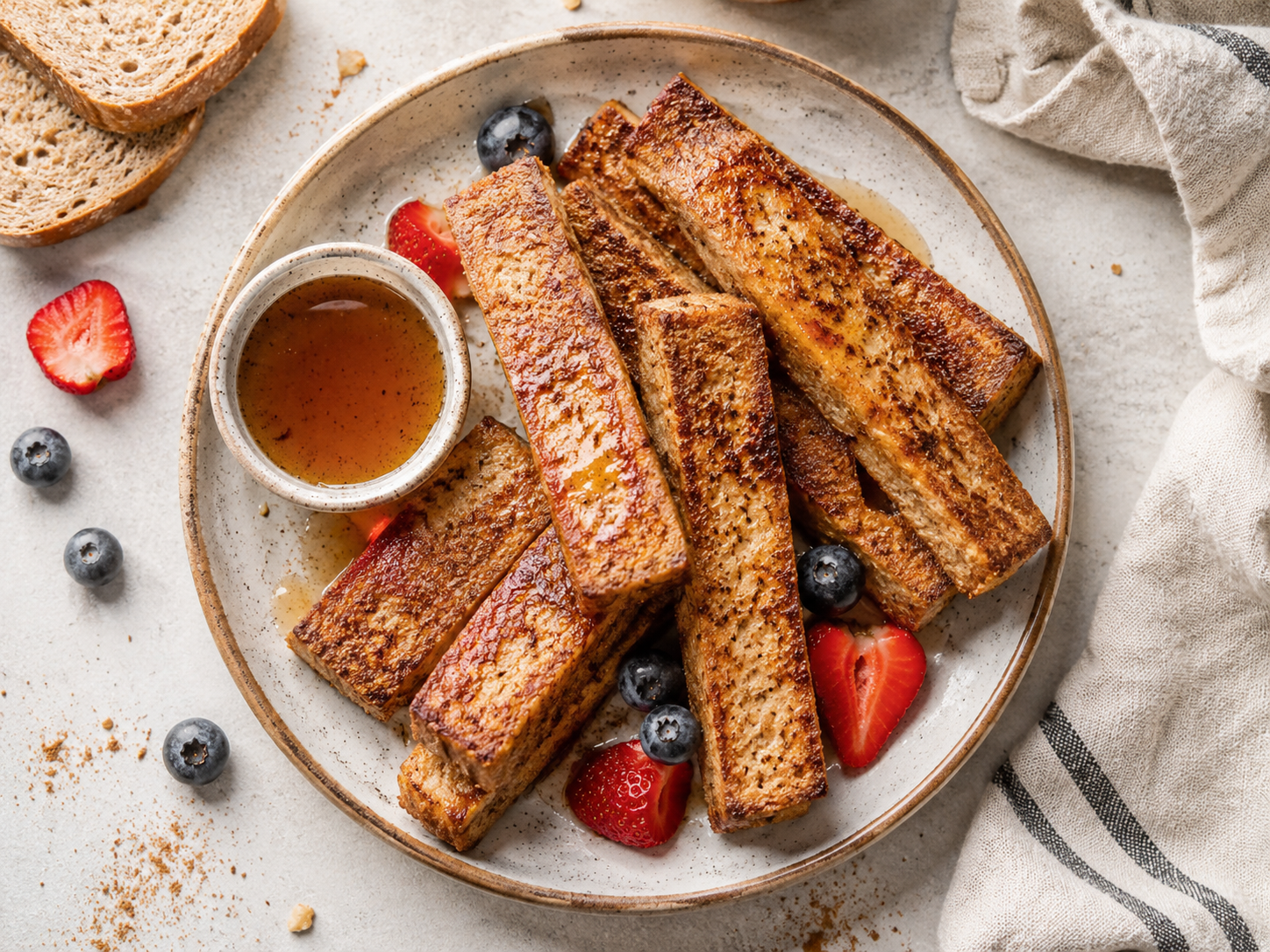
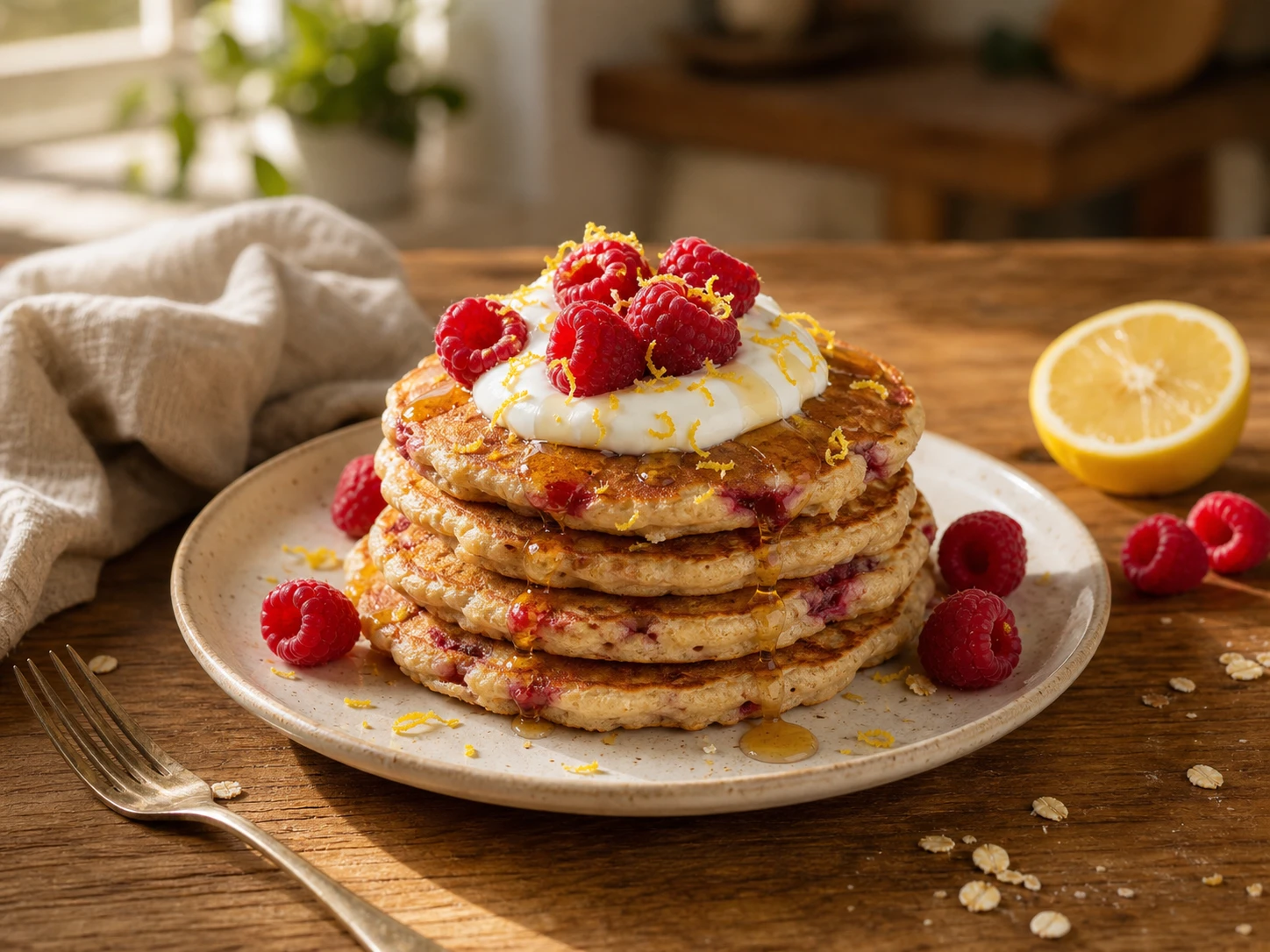
Cottage Cheese Pancakes and French Toast
For slower mornings. Blending the cottage cheese into the batter or custard keeps these smooth and tender while adding protein to a classic breakfast.

Why cottage cheese works for breakfast
Texture is the main reason. Cottage cheese is soft and creamy but still has body, so it sits on toast without sliding off and holds toppings in a bowl instead of letting them sink. Blended, it turns silky and disappears into pancake batter or a French toast custard.
It is also naturally rich in protein, which is part of why a cottage cheese breakfast tends to feel more substantial than the same amount of plain fruit or cereal. Flavour-wise it is close to neutral with a gentle tang, so it takes sweet toppings like berries, banana, and cinnamon just as readily as savory ones like tomato, basil, pesto, or eggs. Brands vary in curd size, saltiness, and fat, and those differences change the finished dish more than most people expect.
Tips for the best cottage cheese breakfasts
Choose the texture and fat level you actually enjoy. Small-curd is smoother and spreads more evenly, large-curd stays chunky and holds its shape, and whole-milk versions taste richer than low-fat. Picking the one you like means you will not need to bury it in toppings.
Blend it when you want something smoother. A short spin in a blender or food processor removes the curds entirely, which is what makes pancake batters, French toast custards, and creamy bowls come out even rather than lumpy.
Balance sweet toppings with fruit, nuts, or seeds. Berries and citrus zest cut the tang, while almonds, pecans, or chia add crunch and staying power, so the plate does not turn one-note sweet.
Go savory with herbs, vegetables, pesto, or eggs. Tomatoes, basil, chives, avocado, or a soft egg turn the same base into a savory breakfast, and a little salt and pepper is usually all the seasoning it needs.
Frequently asked questions
- Is cottage cheese a good option for breakfast?
- It can be a practical one. Cottage cheese is naturally high in protein and needs no cooking, so it is an easy way to build a breakfast that feels filling in a few minutes. What matters most is the rest of the plate — pairing it with fruit, whole-grain toast, nuts, or vegetables gives you fibre and texture alongside it. Check the nutrition panel on each recipe page for the figures at that recipe's serving size.
- Can cottage cheese breakfast recipes be prepared ahead?
- Partly. Bowls come together fastest if you portion the cottage cheese and prep the fruit or vegetables the night before, then assemble in the morning so nothing goes watery. Pancakes and French toast sticks keep for a few days in the fridge and reheat well. Toast is the exception — toast the bread and build it fresh, or it softens. Each recipe page has its own storage guidance.
- What can I add to cottage cheese for a sweet breakfast?
- Berries, sliced banana, mango, cherries, or peaches all work, along with a drizzle of honey or maple syrup. Cinnamon, vanilla, lemon or lime zest, toasted coconut, sliced almonds, pecans, chia, and granola add flavour and crunch. A spoonful of nut butter makes it richer and helps it stay satisfying for longer.
- What goes well with cottage cheese in a savory breakfast?
- Cherry tomatoes, cucumber, avocado, roasted peppers, and greens are the easy starting points. Fresh basil, chives, dill, pesto, everything bagel seasoning, chilli flakes, or a splash of balsamic all lift it, and a soft-boiled or fried egg on top turns it into a proper plate. Salt and pepper matter here — taste before you add more, since some brands are already fairly salty.
- Can cottage cheese be blended for pancakes and bowls?
- Yes, and it is often the better approach. Blending breaks down the curds so the mixture is completely smooth, which is what gives protein pancakes an even crumb and French toast custard a consistent coating. For bowls, a quick blend makes it closer to thick yogurt if the curd texture is not for you. A regular blender or small food processor is plenty — thirty seconds is usually enough.
Related Recipe Guides
Recipe Guide
44 High-Protein Dinner Ideas
Dinner recipes that reach at least 40 grams of protein per listed serving on their own, without counting optional sides, toppings, or shakes.
Explore high-protein dinnersRecipe Guide
30 High-Protein Breakfast Ideas
Genuine breakfast recipes that provide at least 25 grams of protein per listed serving, from eggs and oats to yogurt bowls and protein pancakes.
Explore high-protein breakfastsRecipe Guide
25 Quick 30-Minute Dinners
Dinner recipes with a verified total time of 30 minutes or less, sorted from fastest to slowest so you can cook to the clock.
Explore quick 30-minute dinnersRecipe Guide
95 High-Protein Meal Prep Lunches
Lunch and meal-prep recipes that hold up in the fridge and provide at least 35 grams of protein per listed serving.
Explore high-protein meal-prep lunchesRecipe Guide
15 High-Protein Bean Salad Recipes for Lunch and Meal Prep
Bean, chickpea, lentil, and edamame salads where the legume is the main event and every serving carries at least 20 grams of protein.
Explore high-protein bean salads