
Garlic Shrimp Spinach Pasta
 By Better Plate Recipes
Have a recipe from another site? Import it →
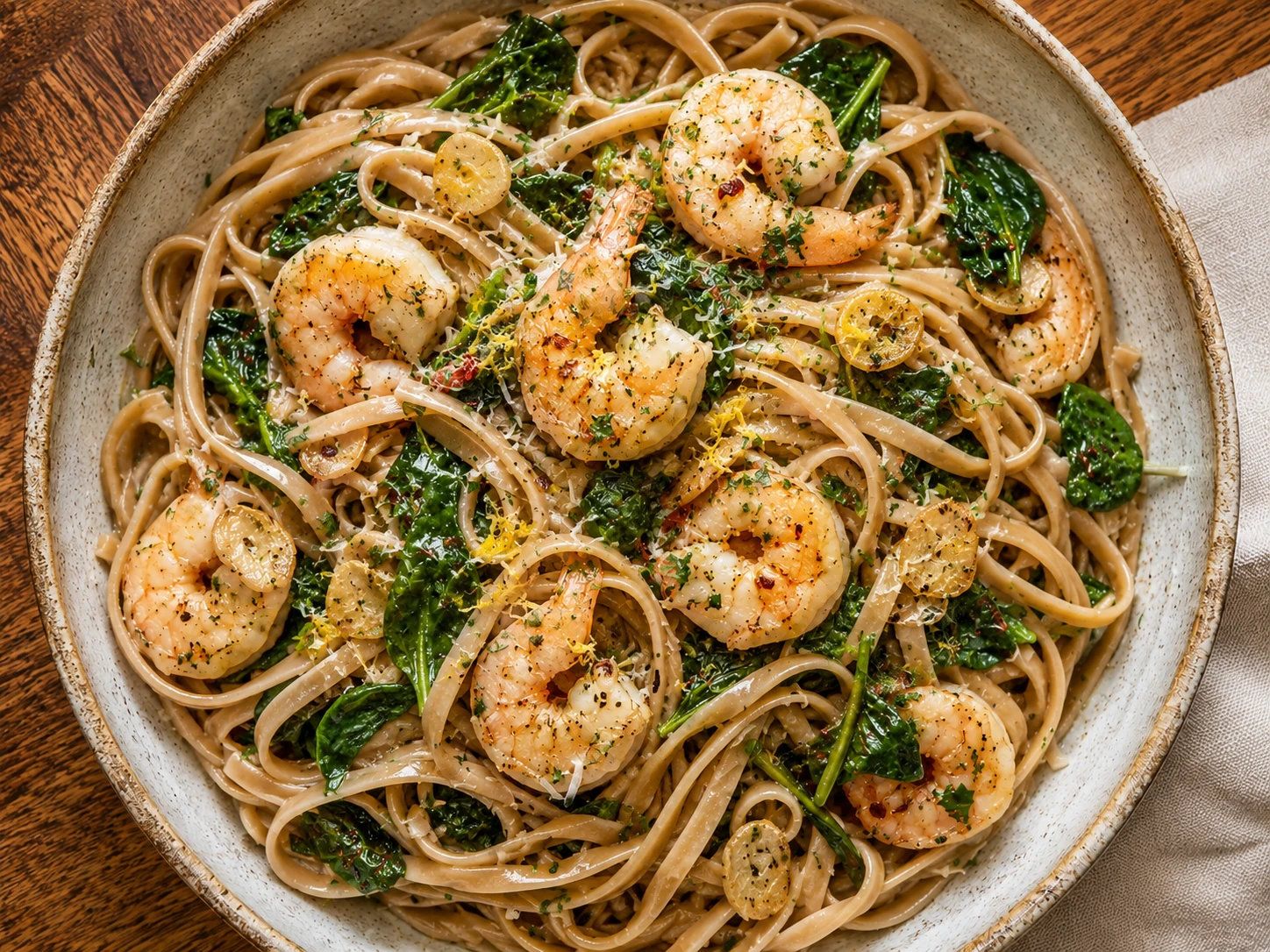
Garlic Shrimp Spinach Pasta tosses whole grain linguine with tender shrimp, extra virgin olive oil, sliced garlic, red pepper flakes, baby spinach, lemon zest, lemon juice, Parmesan, and parsley. The sauce is light and garlicky, with spinach adding freshness and shrimp making it satisfying for dinner.
Why You’ll Love This Recipe
This pasta is quick, bright, and full of garlic flavor without needing a heavy sauce. Shrimp bring lean protein and cook in minutes, while whole grain linguine gives the bowl a hearty base. Thinly sliced garlic warms in olive oil with red pepper flakes, creating a simple sauce that tastes bold but not complicated. Baby spinach wilts right into the skillet, lemon zest and juice add freshness, and Parmesan gives a salty finish. It is a great weeknight pasta because the steps are clear and fast. You will know the shrimp are done when they turn pink, opaque, and curl loosely. The result is fresh, savory, and satisfying. Those cues make garlic shrimp spinach pasta easier for beginners because you can see when the shrimp and spinach is ready instead of guessing.
What Makes This Recipe Work
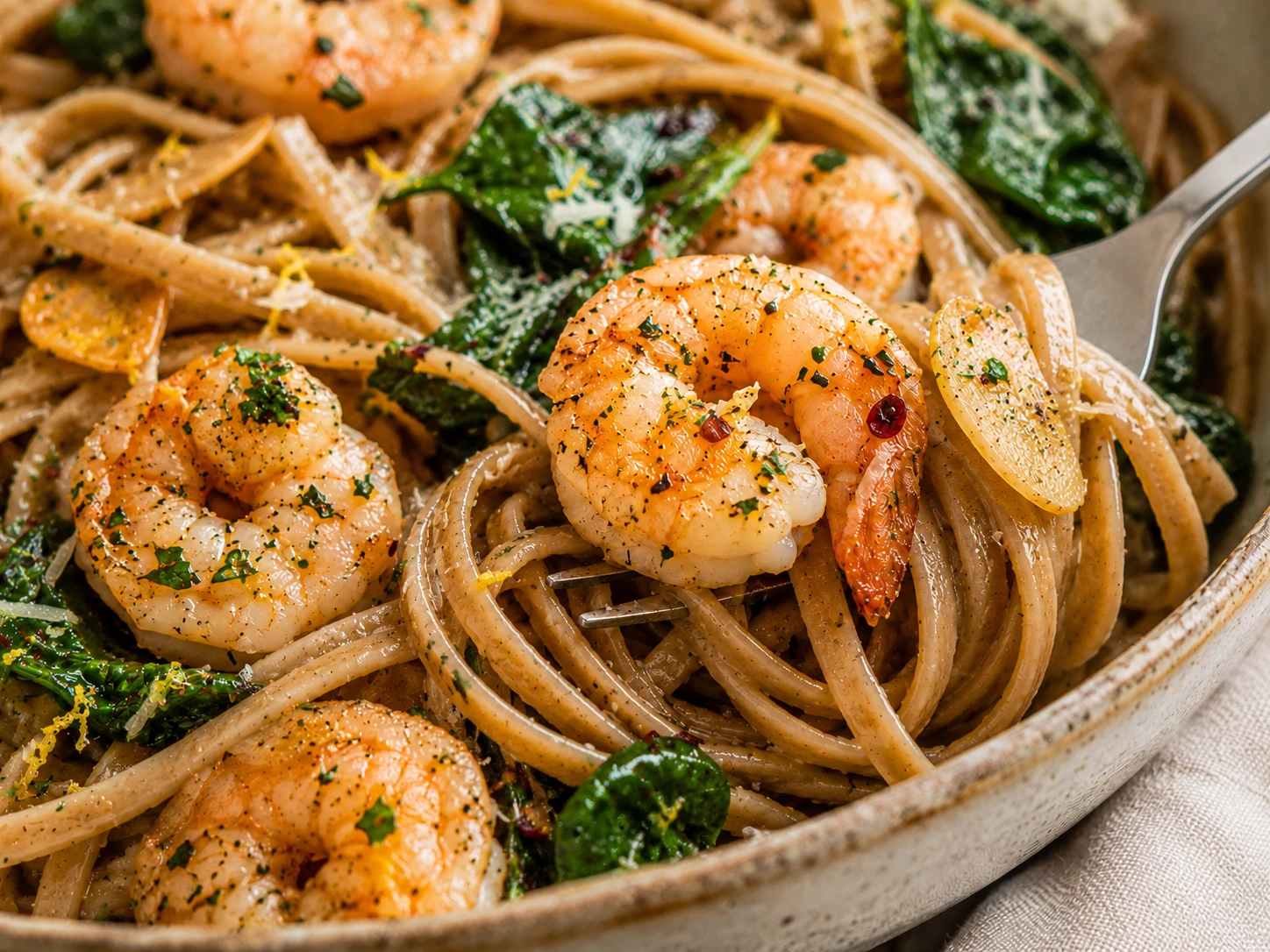
The sauce starts with garlic-infused olive oil. Thinly sliced garlic gives a stronger garlic presence than minced garlic, but it must be watched closely so it stays pale and sweet instead of brown and bitter. Shrimp cook first and leave the skillet so they stay tender while the spinach and sauce come together. Pasta water helps the lemon, olive oil, and Parmesan cling to the linguine. Spinach wilts quickly, adding freshness and color without needing a separate pan. Lemon zest brings aroma, lemon juice adds brightness, and parsley goes in at the end for a clean finish. Every step is quick, so prep matters. That sequence keeps the garlic linguine balanced, so each bite tastes planned rather than thrown together at the last minute. That extra cue keeps the first bite of garlic shrimp spinach pasta balanced and easier to evaluate.
Before You Start
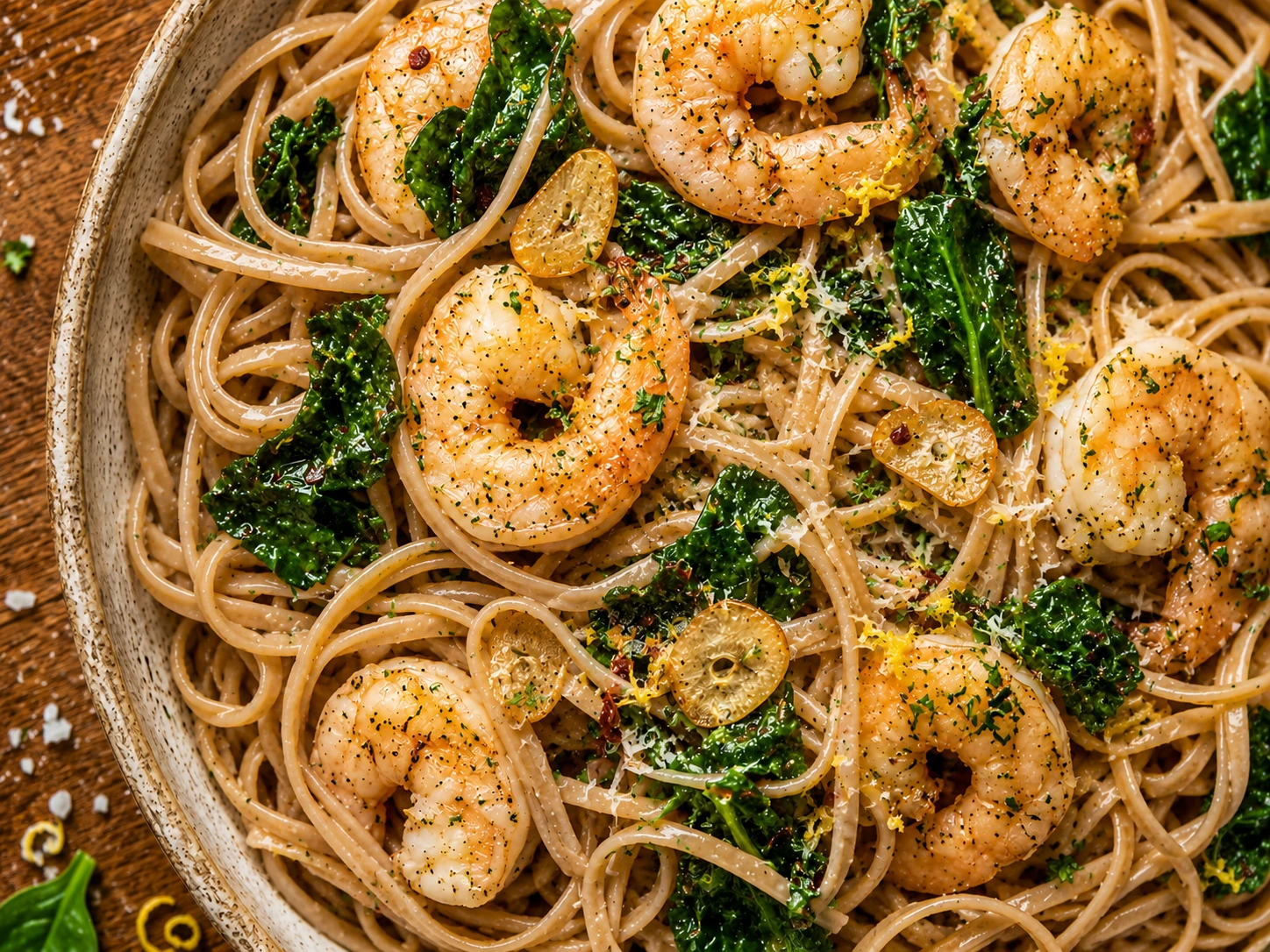
Pat the shrimp dry before seasoning, and keep them in a single layer when cooking. Have the garlic sliced, spinach washed and dried, lemon zested and juiced, Parmesan measured, and parsley chopped before you turn on the skillet. Garlic and shrimp both cook quickly, so having everything ready prevents overcooking. Save pasta water before draining the linguine; it is the easiest way to make the light sauce coat the noodles. When adding spinach, use tongs and add it in batches if needed. It looks like a lot at first, but it wilts down quickly once it touches the warm skillet. That setup matters because shrimp and spinach can change quickly once heat is involved, and beginners need fewer pauses at the stove. That preparation gives a new cook fewer chances to fall behind while making garlic shrimp spinach pasta.
Storage Tips
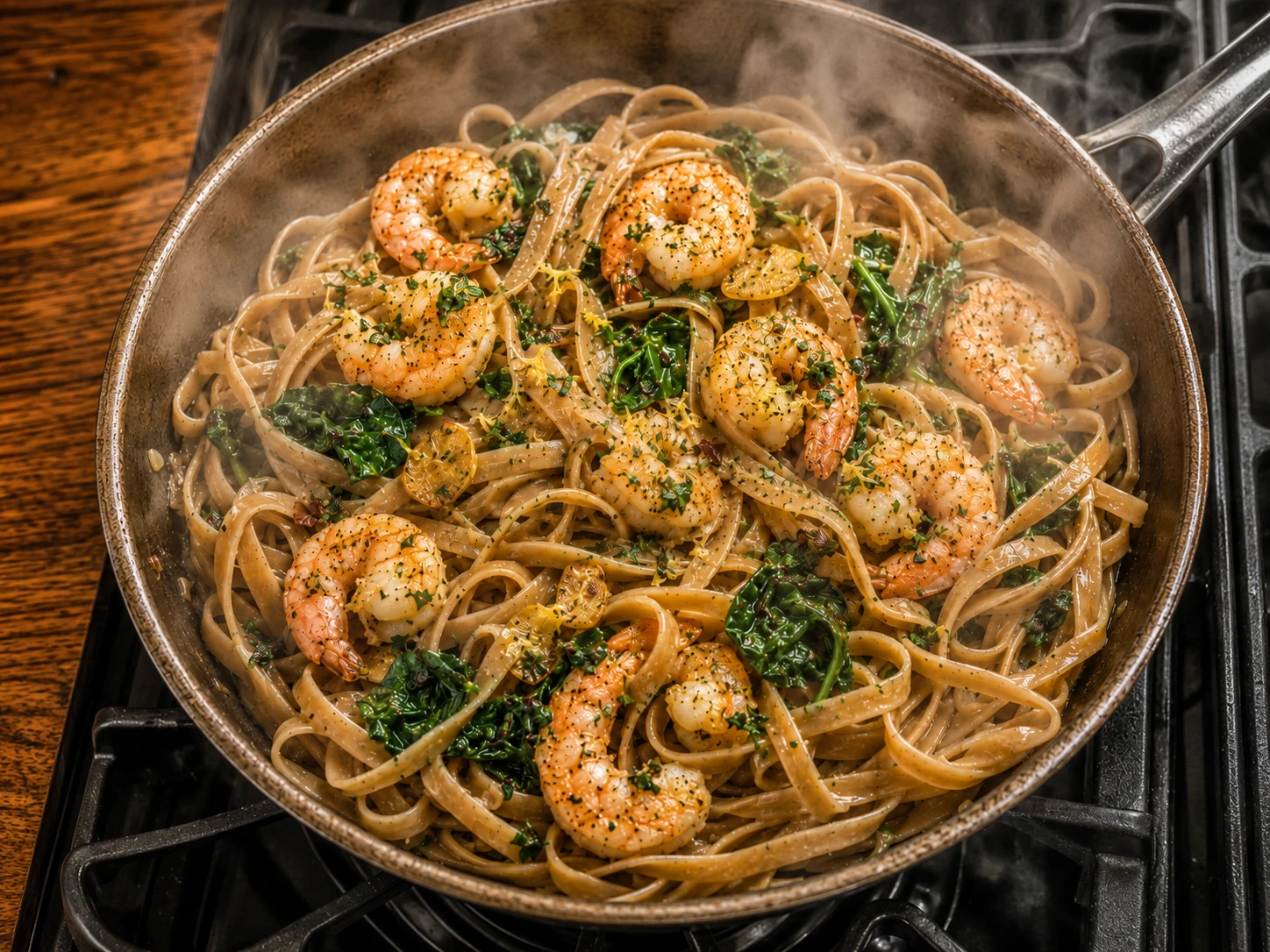
Garlic Shrimp Spinach Pasta is best fresh, but leftovers can be stored for up to 2 days. Reheat gently with a splash of water in a skillet over low heat, tossing just until warm. Avoid heating too long because shrimp can become rubbery and spinach can darken. You can also enjoy leftovers cold or room temperature as a pasta salad-style lunch with an extra squeeze of lemon. If you know you will save some, keep a little Parmesan and parsley separate for serving. Fresh toppings make the leftovers taste brighter and help the pasta feel less like it has been sitting in the fridge. That fresh finish helps garlic shrimp spinach pasta taste bright again after chilling, when flavors naturally settle and soften. It also keeps garlic shrimp spinach pasta easier to serve.
Ingredient Notes & Easy Swaps
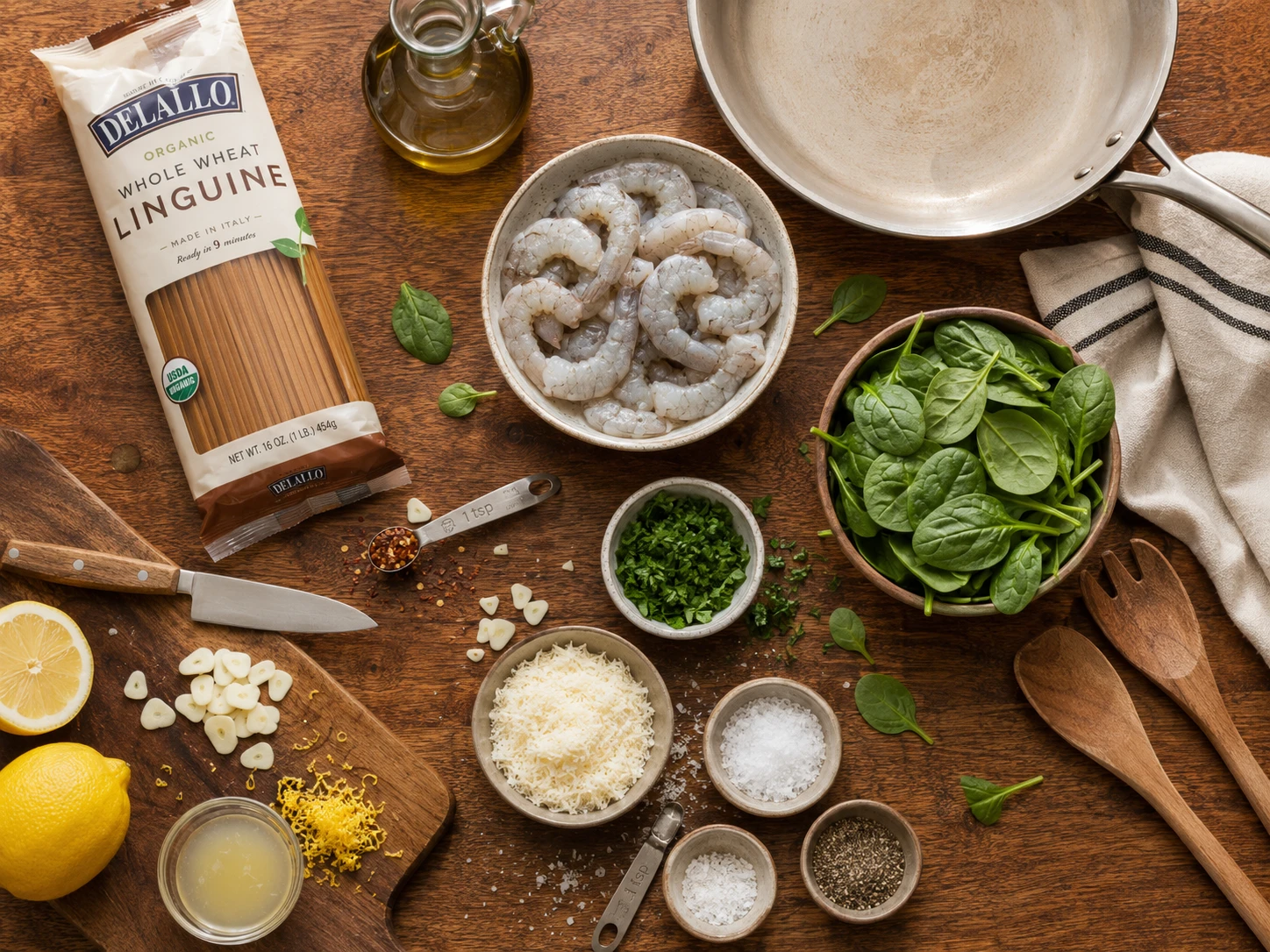
Whole grain linguine: Linguine has enough surface area for the light garlic-lemon oil to cling to. Whole grain spaghetti or fettuccine works the same way. For gluten free, use a certified gluten-free linguine or spaghetti and start tasting it 2 minutes before the package time, since gluten-free strands go from firm to mushy quickly and release more starch, so you may need only half the reserved pasta water.
Shrimp: Large shrimp, roughly 26 to 30 per pound, are easiest to judge. Peeled and deveined saves prep time. If buying frozen, thaw them in the fridge overnight or in a bowl of cold water for 15 minutes, then pat very dry, since surface water steams instead of sears.
Shellfish-free option: Either swap in 1 lb boneless skinless chicken breast cut into 1/2-inch strips, cooked 6 to 8 minutes total until the thickest strip reaches 165°F, which is noticeably longer than shrimp; or use two 15-oz cans of chickpeas, drained and rinsed, warmed in the garlic oil for just 2 to 3 minutes. Chickpeas absorb liquid, so plan on 2 to 3 extra tablespoons of pasta water.
Extra virgin olive oil: The oil is the sauce here, so use one you would happily taste on its own. A grassy, peppery bottle gives the pasta far more character than a neutral refined oil.
Garlic: Buy firm heads with tight papery skin and no green sprouts, which taste harsh. Slice the cloves about as thick as a coin so they cook evenly; jarred minced garlic burns almost instantly and is not a good fit.
Red pepper flakes: A quarter teaspoon gives background warmth rather than real heat. Leave it out entirely for kids, or double it if you like a clear kick.
Baby spinach: Choose bags with crisp, dark leaves and no wet or slimy patches. Baby spinach needs no chopping. Mature spinach works if you remove the thick stems and roughly chop the leaves.
Lemon: Pick a lemon that feels heavy for its size with thin, smooth skin, which means more juice. Zest only the yellow layer; the white pith underneath is bitter.
Parmesan: Grate it from a wedge so it melts into the oil instead of clumping. For dairy free, use 1/4 cup dairy-free Parmesan-style shreds or 2 tablespoons nutritional yeast. Neither truly melts, so add it off the heat with 1 extra tablespoon of pasta water so it coats the strands rather than settling at the bottom of the pan.
Garlic Shrimp Spinach Pasta
Description
Garlic Shrimp Spinach Pasta tosses whole grain linguine with tender shrimp, extra virgin olive oil, sliced garlic, red pepper flakes, baby spinach, lemon zest, lemon juice, Parmesan, and parsley. The sauce is light and garlicky, with spinach adding freshness and shrimp making it satisfying for dinner.
Ingredients
- 10 oz whole grain linguine
- 4 quarts water
- 1 tbsp kosher salt, for pasta water
- 1 lb large shrimp, peeled and deveined
- 3 tbsp extra virgin olive oil, divided
- 5 garlic cloves, thinly sliced
- 1/4 tsp red pepper flakes
- 4 cups baby spinach
- 1 lemon, zested and juiced
- 1/2 tsp sea salt
- 1/4 tsp black pepper
- 1/4 cup grated parmesan
- 2 tbsp fresh parsley, chopped
Instructions
- 1Equipment: a 6-quart pot, colander, heatproof measuring cup, 12-inch skillet, tongs, paper towels, a separate cutting board and knife reserved for raw shrimp, a clean bowl or small tray for the cooked shrimp, clean tongs for serving, a zester, and 4 bowls.
- 2Pour 4 quarts water into the pot and bring it to a rolling boil over high heat, meaning big bubbles keep breaking the surface even when you stir.
- 3Add 1 tablespoon kosher salt, then add 10 oz whole grain linguine and stir for 10 seconds so the strands separate instead of gluing together.
- 4Cook 9 to 11 minutes, or per the package, until a strand is tender with a slight bite. Scoop out 1/2 cup starchy pasta water into a measuring cup, then drain the linguine in a colander. Do not rinse it, because the surface starch is what makes the sauce cling.
- 5On the board reserved for raw shrimp, pat 1 lb peeled and deveined shrimp very dry with paper towels and season with 1/4 teaspoon sea salt and 1/4 teaspoon black pepper. Wash your hands, the board, and the knife with hot soapy water before touching anything else.
- 6Heat 2 tablespoons olive oil in the 12-inch skillet over medium-high heat, about 7 out of 10, for 1 minute, until the oil looks thin and moves easily when you tilt the pan.
- 7Add the shrimp in a single layer with a little space between them; crowding steams them instead of searing. Cook 1 to 2 minutes per side, until each shrimp is fully opaque all the way through and curled into a loose C. A tight O shape means it is overcooked.
- 8Move the shrimp with clean tongs to a clean bowl or tray. Do not reuse the raw-shrimp board or utensils from here on.
- 9Lower the heat to medium, about 5 out of 10. Add 1 tablespoon olive oil, 5 thinly sliced garlic cloves, and 1/4 teaspoon red pepper flakes. Stir constantly for about 1 minute, until the garlic smells sweet and looks pale gold. If any slice starts to darken, pull the pan off the burner for a few seconds, because browned garlic turns the whole sauce bitter.
- 10Add 4 cups baby spinach in 2 or 3 handfuls, tossing after each one until it wilts and makes room for the next, 1 to 2 minutes total. Adding it all at once mounds above the pan and steams unevenly.
- 11Return the shrimp with any juices, then add the drained linguine, 1/4 cup reserved pasta water, the zest of 1 lemon, its juice, and the remaining 1/4 teaspoon sea salt. Toss about 1 minute, until the noodles look glossy. If they look dry or clumped, add reserved pasta water 1 tablespoon at a time until they move easily.
- 12Turn off the heat. Add 1/4 cup grated Parmesan and 2 tablespoons chopped parsley, toss once more, and serve right away in 4 bowls.
Tips and Tricks
- 1
Keep the Garlic Pale Gold: Thin garlic slices flavor the oil fast, but they also scorch fast. Stir constantly and stop the moment they turn pale gold; lifting the skillet off the burner for a few seconds is the easiest way to stop the color from going any further.
- 2
Trust the Loose C Shape: A shrimp is done when it is opaque through the center and curled into a loose C. A tight O means it has gone rubbery. Because the shrimp go back into the hot pasta at the end, pulling them at the loose C keeps them tender.
- 3
Add the Spinach in Handfuls: Four cups of spinach will not fit in a 12-inch skillet at once. Adding it in 2 or 3 handfuls lets each one wilt down and release its water gradually, so the sauce stays glossy instead of turning into a watery pool.
- 4
Use the Zest and the Juice: Zest carries the lemon oils that give the sauce its perfume without adding liquid, while the juice adds the acidity that cuts the olive oil. Zest first, always before juicing, since a squeezed lemon is nearly impossible to zest.
Nutrition
Serving size: 1 serving (1/4 recipe)
Calories: 475kcal, Protein: 36g, Carbs: 53g, Fat: 17g, Fiber: 10g, Sugar: 3g, Sodium: 810mg.
Nutrition information is an estimate and may vary based on ingredient brands, product sizes, preparation methods, and substitutions. It is not intended as medical or dietary advice.