
Creamy Lemon Ricotta Pasta
 By Better Plate Recipes
Have a recipe from another site? Import it →
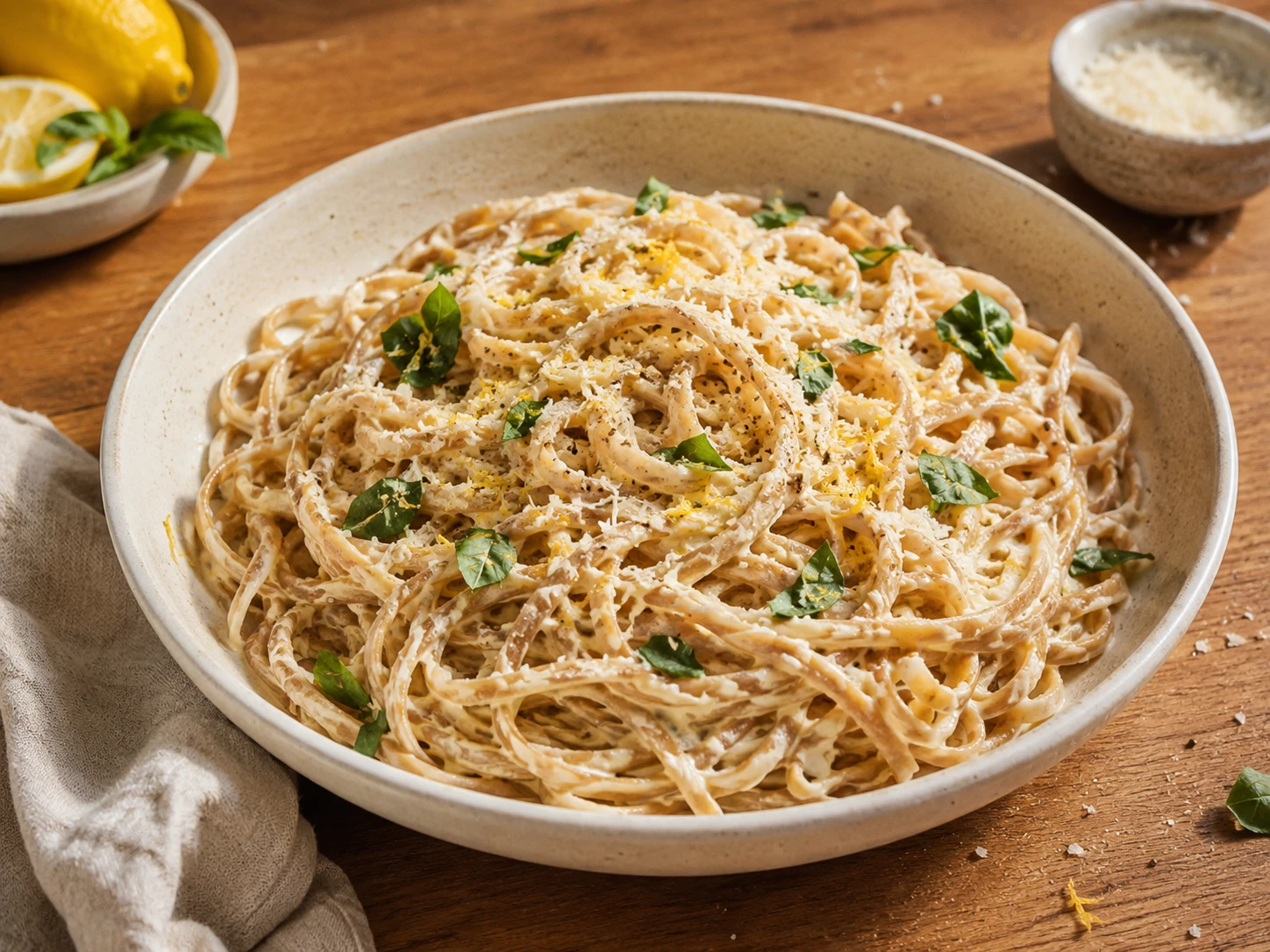
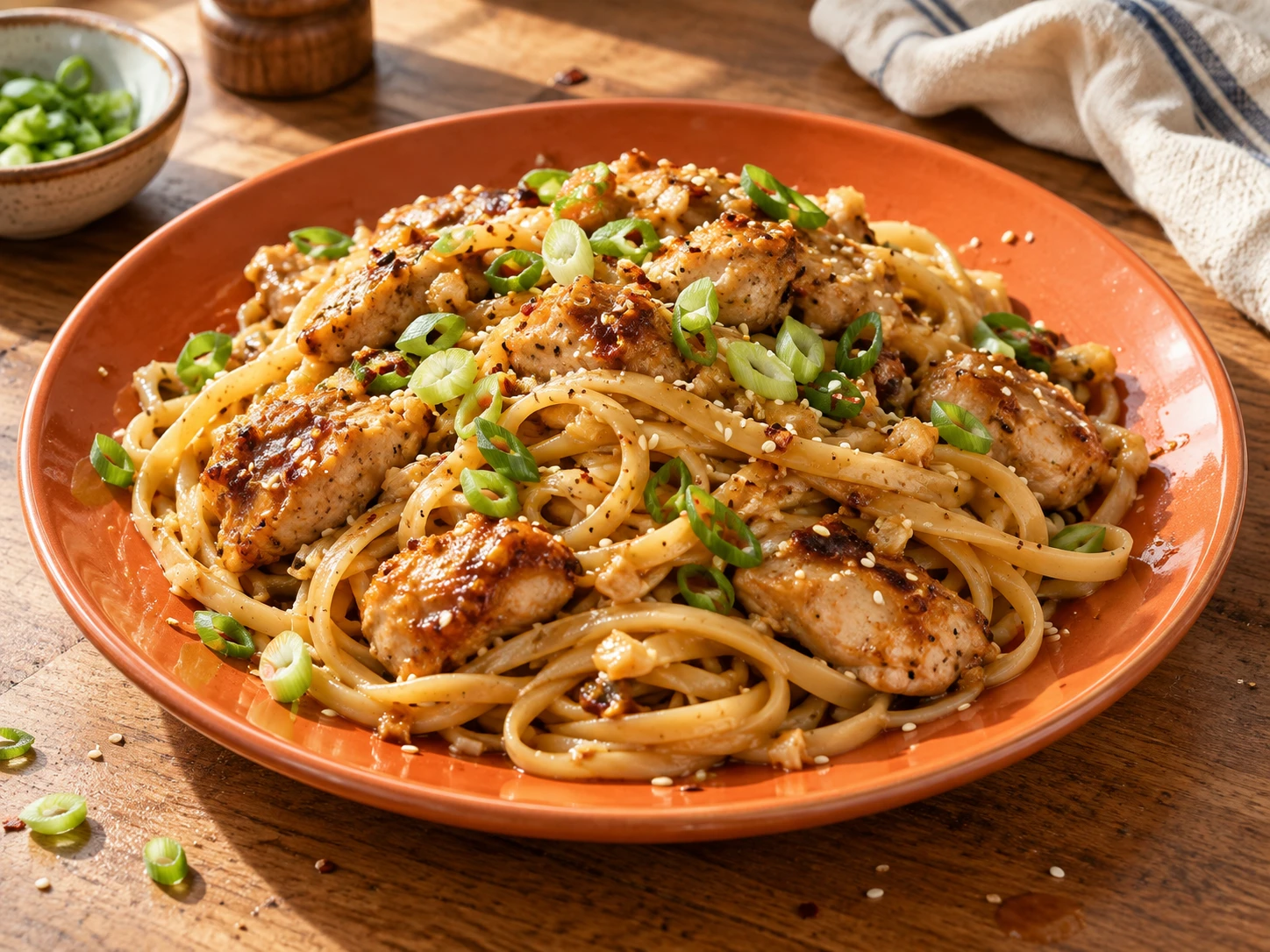
Creamy Lemon Ricotta Pasta tosses whole grain spaghetti or linguine with part skim ricotta, lemon zest, lemon juice, olive oil, grated garlic, Parmesan, basil, sea salt, black pepper, and reserved pasta water. The sauce is no-cook, silky, bright, and ready as soon as the pasta drains.
Why You’ll Love This Recipe
This pasta is simple, bright, and creamy without needing a skillet sauce. Ricotta gives it a soft, creamy texture, while lemon zest and lemon juice make the sauce taste fresh instead of heavy. Olive oil adds richness, grated garlic gives a gentle savory bite, and Parmesan brings salty depth. The hot pasta melts everything together in the bowl, and reserved pasta water helps the ricotta loosen into a silky coating. Fresh basil adds color and a sweet herbal finish. It is a great recipe for nights when you want something comforting but not complicated. Since the sauce is no-cook, the main skill is tossing while the pasta is still hot so the ricotta turns smooth. Those cues make lemon ricotta pasta easier for beginners because you can see when the ricotta sauce is ready instead of guessing.
What Makes This Recipe Work
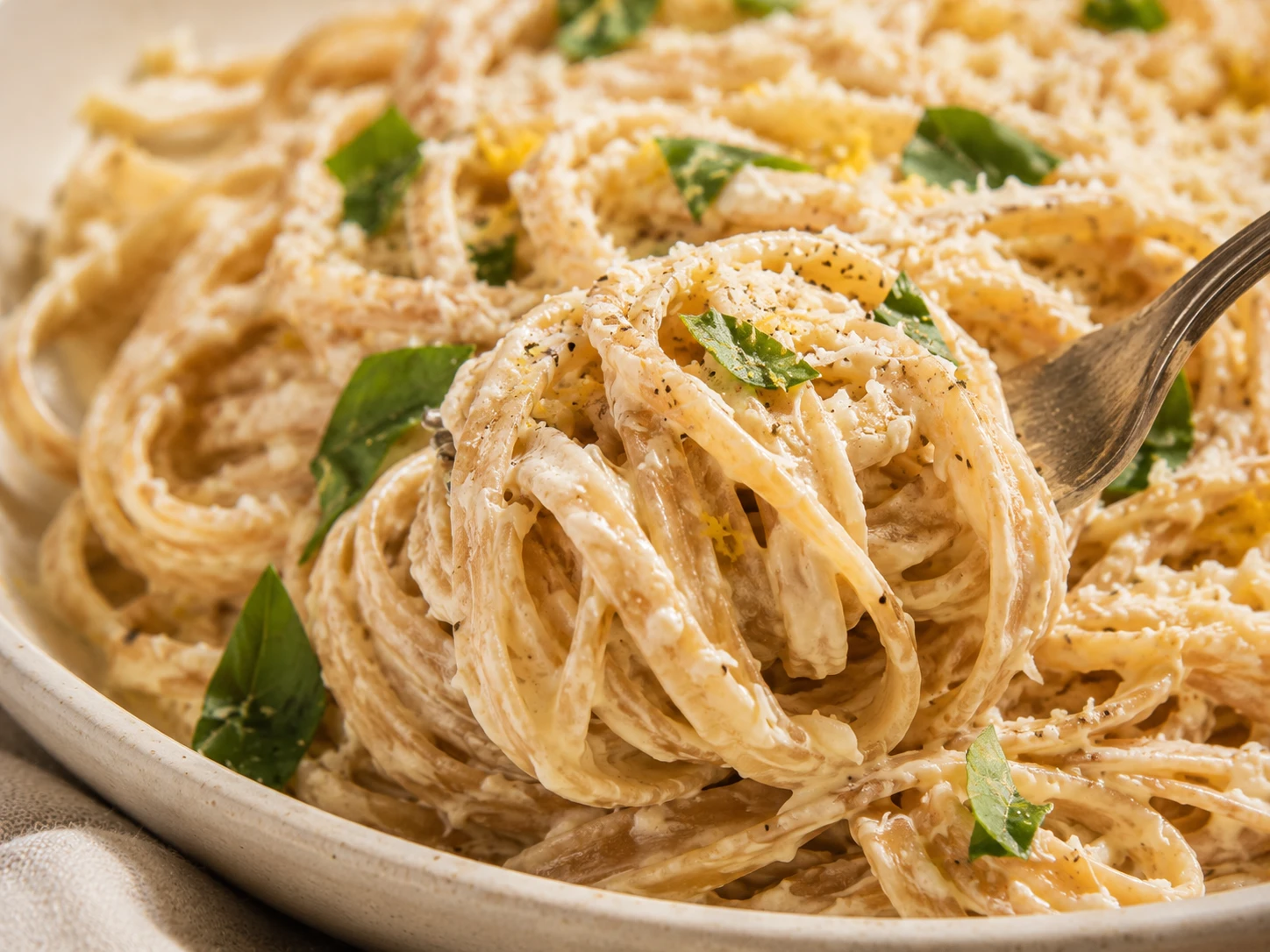
The heat from the pasta does most of the work. Ricotta, lemon, olive oil, garlic, Parmesan, salt, and pepper are mixed in a bowl while the pasta cooks. When hot spaghetti or linguine lands in that mixture, the warmth softens the ricotta and helps the cheese coat the strands. Reserved pasta water is what turns the mixture from thick ricotta into a smooth sauce. Adding it gradually is important because ricotta can go from thick to loose quickly. Lemon zest gives strong citrus aroma, while lemon juice adds brightness. Basil is folded in last so it stays fresh, green, and fragrant instead of wilting into the sauce. That sequence keeps the silky ricotta balanced, so each bite tastes planned rather than thrown together at the last minute.
Before You Start
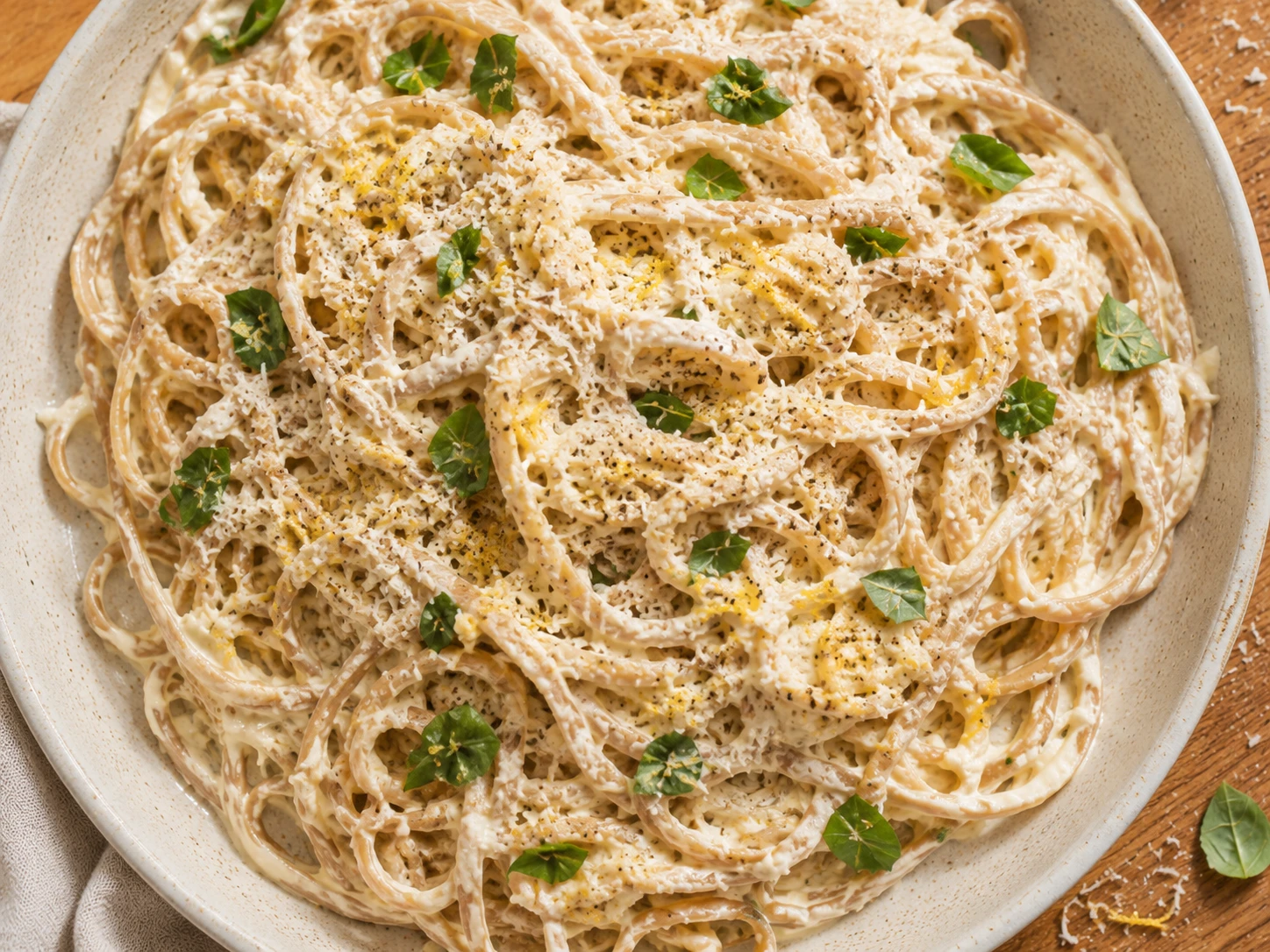
Zest the lemon before juicing it. The outside peel is easiest to grate while the lemon is still whole, and the zest gives the pasta much more lemon flavor than juice alone. Use a large mixing bowl so you have room to toss the hot pasta without spilling. Grate the garlic finely so it blends into the ricotta instead of leaving sharp pieces. Save the pasta water right before draining, when it is cloudy and starchy. Do not rinse the pasta; you need the surface starch and heat to help the ricotta sauce cling. Have the basil torn and ready because the final toss happens fast. That setup matters because ricotta sauce can change quickly once heat is involved, and beginners need fewer pauses at the stove.
Storage Tips
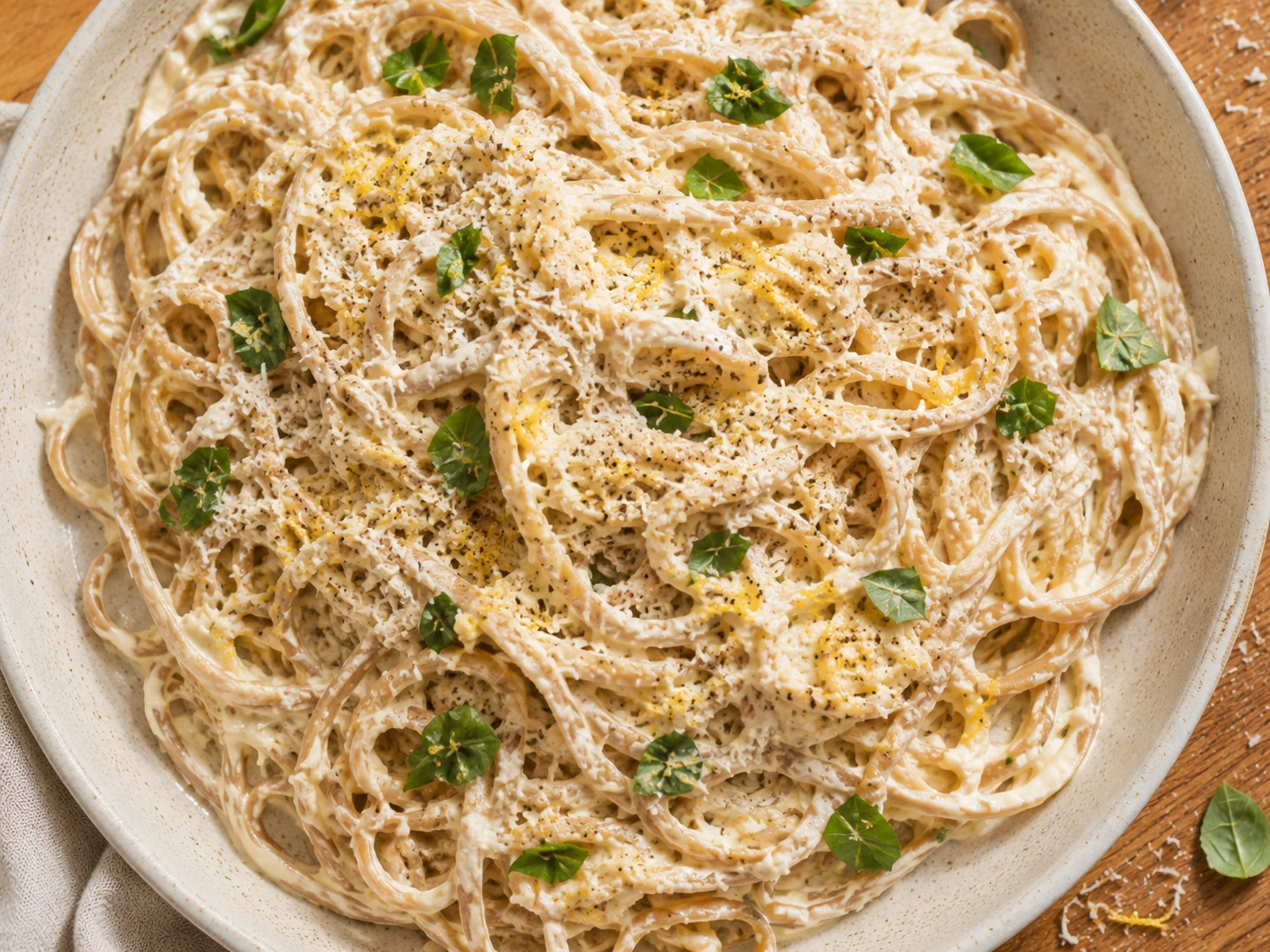
Creamy Lemon Ricotta Pasta tastes best right after tossing, while the sauce is silky and the basil is fresh. Leftovers can be refrigerated for up to 3 days, but the sauce will thicken as the pasta absorbs moisture. Reheat gently with a splash of water, stirring until the ricotta loosens again. You can also enjoy leftovers at room temperature with an extra squeeze of lemon and a drizzle of olive oil. Avoid overheating, because ricotta can become grainy if it gets too hot. Add fresh basil after reheating, not before storing, if you want the brightest color and flavor. That fresh finish helps lemon ricotta pasta taste bright again after chilling, when flavors naturally settle and soften. That last adjustment helps lemon ricotta pasta taste cared for instead of simply reheated.
Ingredient Notes & Easy Swaps
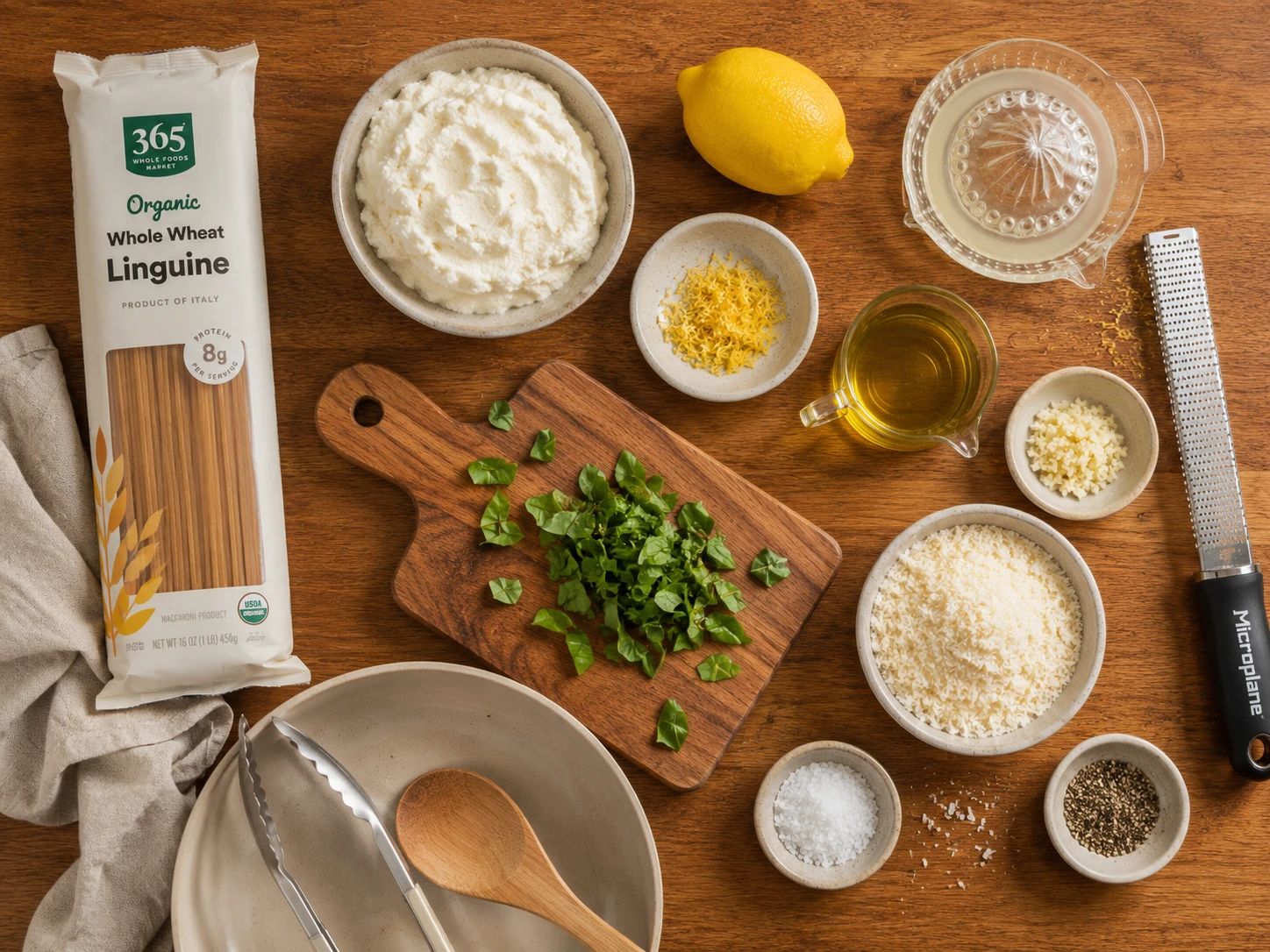
Whole grain spaghetti or linguine: Long strands suit the smooth ricotta sauce. Whole grain penne or fettuccine work if you prefer a different shape.
Gluten-free swap: Use 10 oz certified gluten-free spaghetti or linguine, ideally brown rice or corn-quinoa. It releases extra starch and firms up quickly once drained, so boil 1 to 2 minutes less, toss it into the ricotta the instant it drains, and expect to need 2 to 3 extra tablespoons of reserved pasta cooking water to keep the sauce silky.
Part skim ricotta: Ricotta makes the sauce creamy without heavy cream. Part skim keeps it lighter; whole milk ricotta tastes richer and needs slightly less pasta water.
Lemon zest and juice: Use both: the zest adds fragrance while the juice adds tang. Zest the lemon before you cut and squeeze it.
Extra virgin olive oil and garlic: Olive oil helps the ricotta loosen and taste silky. The garlic is raw here, so grate it finely on a microplane and stick to the listed 2 cloves because raw garlic tastes much stronger than cooked.
Parmesan: The 1/3 cup is divided: most goes into the no-cook sauce and the rest finishes the bowls. Pecorino Romano works but is sharper and saltier, so use a little less.
Fresh basil and reserved pasta water: Basil goes in at the end with 2 or 3 gentle tosses. The reserved hot pasta cooking water is what turns the ricotta into a silky sauce, so add it gradually and never put the bowl over heat.
Dairy-free swap: Both the ricotta and the Parmesan are dairy, so replace both: use 1 cup dairy-free ricotta-style spread and 1/3 cup dairy-free Parmesan-style topping or 3 tablespoons nutritional yeast. Dairy-free ricotta is looser and does not soften with heat the way real ricotta does, so start with only 2 tablespoons of pasta cooking water, toss, and add more only if the sauce looks pasty.
Creamy Lemon Ricotta Pasta
Description
Creamy Lemon Ricotta Pasta tosses whole grain spaghetti or linguine with part skim ricotta, lemon zest, lemon juice, olive oil, grated garlic, Parmesan, basil, sea salt, black pepper, and reserved pasta water. The sauce is no-cook, silky, bright, and ready as soon as the pasta drains.
Ingredients
- 4 quarts water, for boiling (reserve 1/2 cup before draining)
- 1 tbsp kosher salt, for the pasta water
- 10 oz whole grain spaghetti or linguine
- 1 cup part skim ricotta
- 1 lemon, zested and juiced
- 2 tbsp extra virgin olive oil
- 2 garlic cloves, finely grated
- 1/3 cup grated Parmesan, divided
- 1/2 cup fresh basil, torn
- 1/2 tsp sea salt, for the sauce
- 1/2 tsp freshly ground black pepper
Instructions
- 1Equipment: a large 6-quart pot, colander, heatproof measuring cup, large heatproof serving bowl, whisk or fork, tongs, zester, and serving bowls.
- 2Fill the large pot with 4 quarts water. Set it over high heat and bring it to a strong rolling boil.
- 3Add 1 tablespoon kosher salt to the boiling water. Add 10 oz whole grain spaghetti or linguine and stir for 10 seconds so the strands separate.
- 4Cook according to the package directions, usually 9 to 11 minutes, until the pasta is tender but still has a slight bite in the center.
- 5While the pasta cooks, set a large heatproof serving bowl on the counter. Add 1 cup part skim ricotta, the lemon zest, the lemon juice, 2 tablespoons olive oil, 2 finely grated garlic cloves, 1/4 cup of the grated Parmesan, 1/2 teaspoon sea salt, and 1/2 teaspoon black pepper. Keep the remaining Parmesan aside for finishing.
- 6Whisk with a fork or small whisk for about 30 seconds, until the ricotta mixture looks smooth and evenly speckled with lemon zest and pepper. This sauce is never cooked; the hot pasta warms it.
- 7Right before draining the pasta, scoop 1/2 cup of the starchy pasta cooking water into a heatproof measuring cup.
- 8Drain the pasta in a colander, but do not rinse it. The pasta should stay hot.
- 9Add the hot drained pasta directly to the bowl with the ricotta mixture.
- 10Pour in 1/4 cup of the reserved pasta cooking water. Toss with tongs for about 1 minute, lifting and turning the strands until they look glossy and coated.
- 11If the sauce looks thick, dry, or clumpy, add more reserved pasta cooking water 1 tablespoon at a time, tossing after each addition, until the sauce looks silky. Never put the bowl over heat or let the sauce boil, or the ricotta will turn grainy.
- 12Add 1/2 cup torn basil and toss gently 2 or 3 times.
- 13Divide into bowls right away and finish each with the reserved Parmesan. Serve while warm.
Tips and Tricks
- 1
Let the Hot Pasta Do the Cooking: This sauce is never heated on the stove. The heat carried by the just-drained pasta is what softens the ricotta and melts the Parmesan, so go straight from colander to bowl without letting the noodles sit and cool.
- 2
Add Pasta Water Gradually: Ricotta loosens fast. Start with 1/4 cup, then add reserved pasta cooking water 1 tablespoon at a time so you can stop the moment the sauce turns silky instead of thin and watery.
- 3
Grate the Garlic Finely: The garlic here is raw, so chopped pieces taste sharp and bite back. Grated on a microplane it disappears into the ricotta and gives a gentle savory background instead of hot spots.
- 4
Reserve Parmesan for the Bowls: Keeping a few tablespoons of the 1/3 cup back means each serving gets salty, nutty flavor on top that has not dissolved into the sauce, and it lets you adjust saltiness at the table without reworking the whole batch.
Nutrition
Serving size: 1 serving (1/4 recipe)
Calories: 430kcal, Protein: 19g, Carbs: 57g, Fat: 16g, Fiber: 7g, Sugar: 4g, Sodium: 700mg.
Nutrition information is an estimate and may vary based on ingredient brands, product sizes, preparation methods, and substitutions. It is not intended as medical or dietary advice.