
Garlic Butter Shrimp Linguine
 By Better Plate Recipes
Have a recipe from another site? Import it →
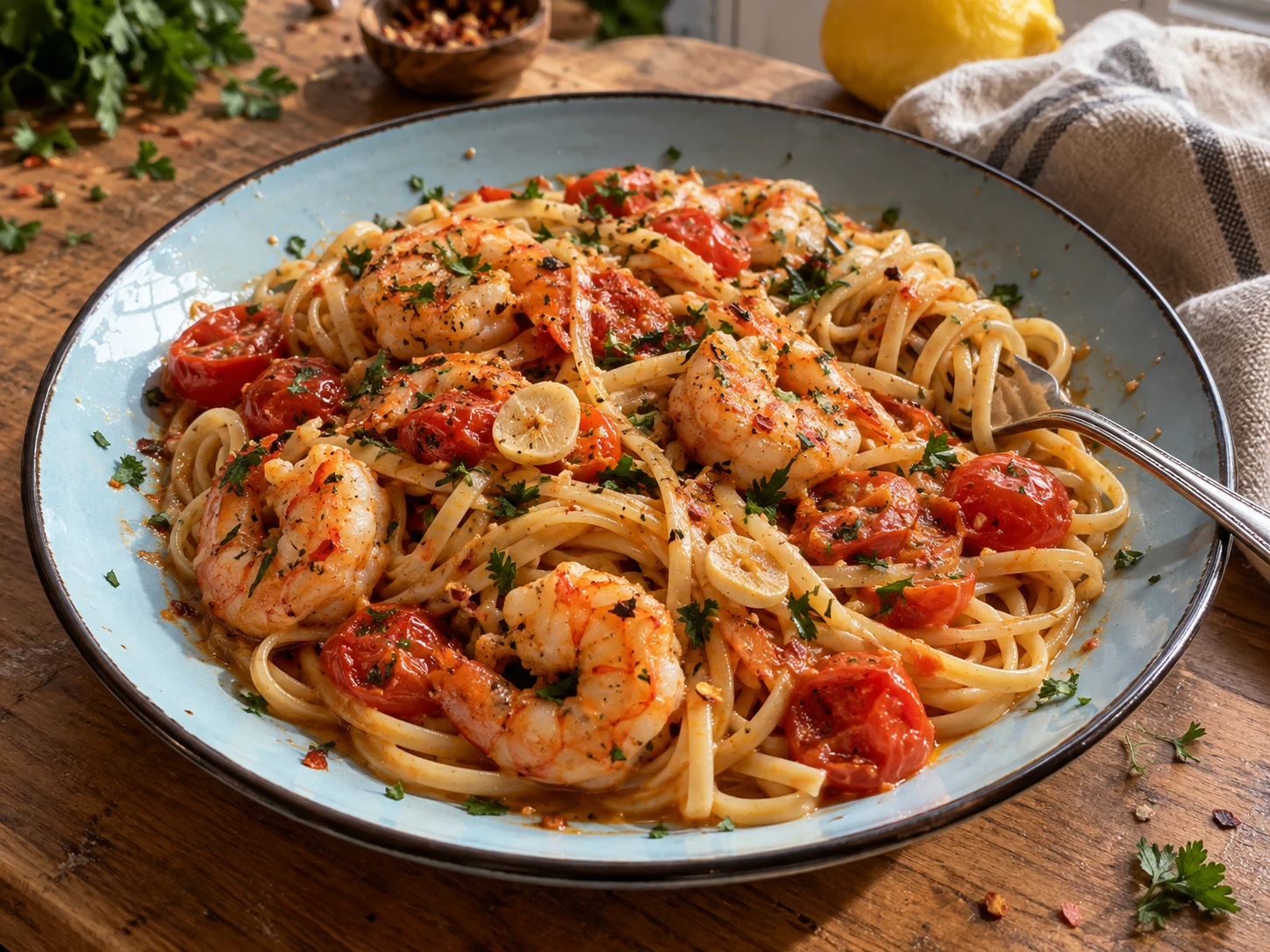
Garlic Butter Shrimp Linguine combines linguine and tender shrimp with butter, olive oil, garlic, white wine or broth, lemon, Parmesan, parsley, and red pepper flakes in a light, silky scampi-style sauce.
Why You’ll Love This Recipe
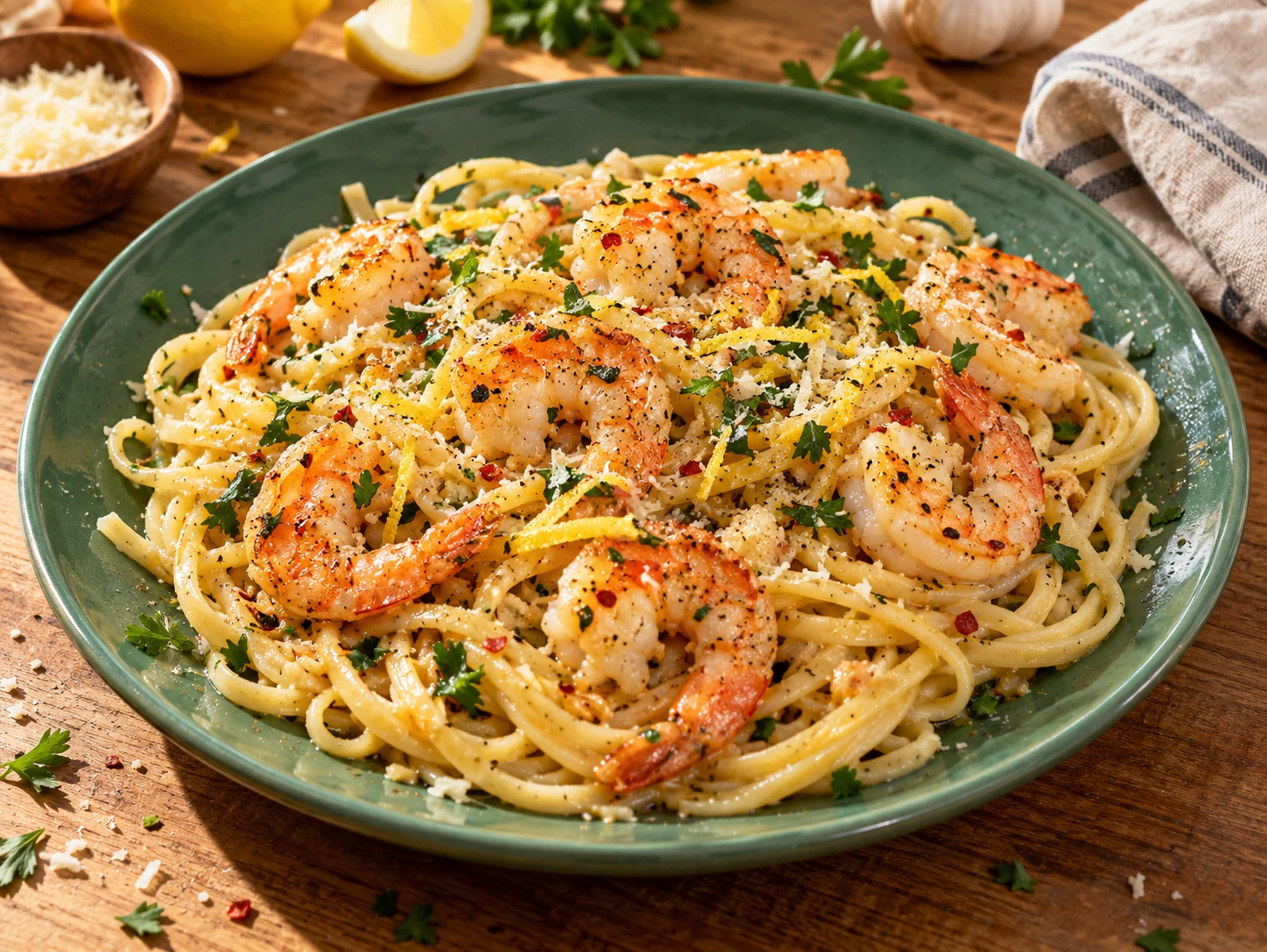
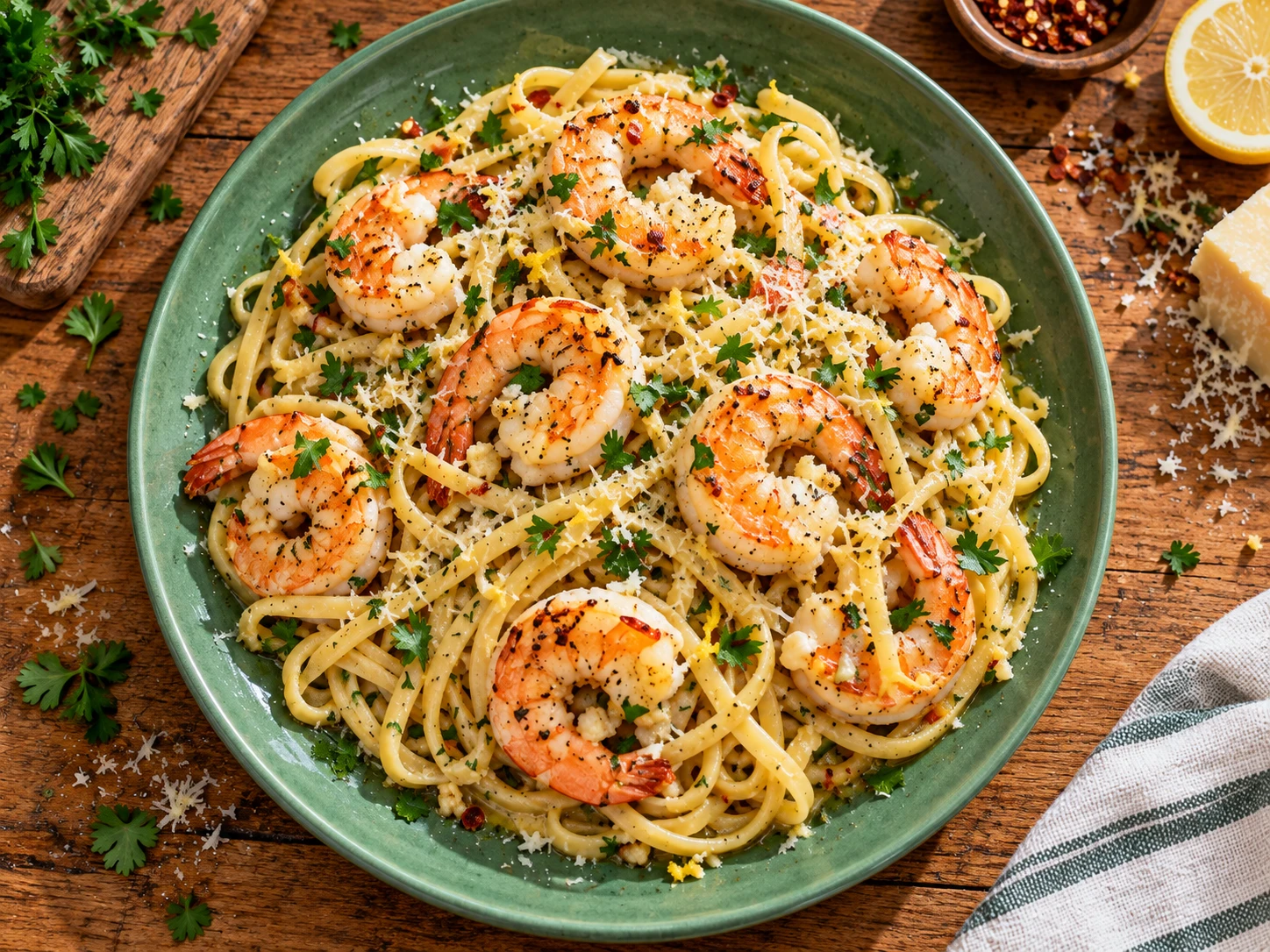
You will love Garlic Butter Shrimp Linguine because it gives you comfort and balance in the same bowl. It gives you restaurant-style shrimp scampi flavor with clear home-cook steps. The flavors are familiar enough for a weeknight, but the little details make it feel more special than plain pasta. The shrimp are juicy, the linguine is glossy, the garlic butter smells rich, and lemon keeps the sauce bright. It is also practical: everything moves quickly once the pasta is cooked, making it a strong 25-minute dinner. The instructions walk you through the heat level, timing, and visual cues, so you are not guessing when the protein is cooked or when the sauce is ready. It is the kind of recipe that helps a beginner feel confident while still giving an experienced cook something satisfying to make.
What Makes This Recipe Work
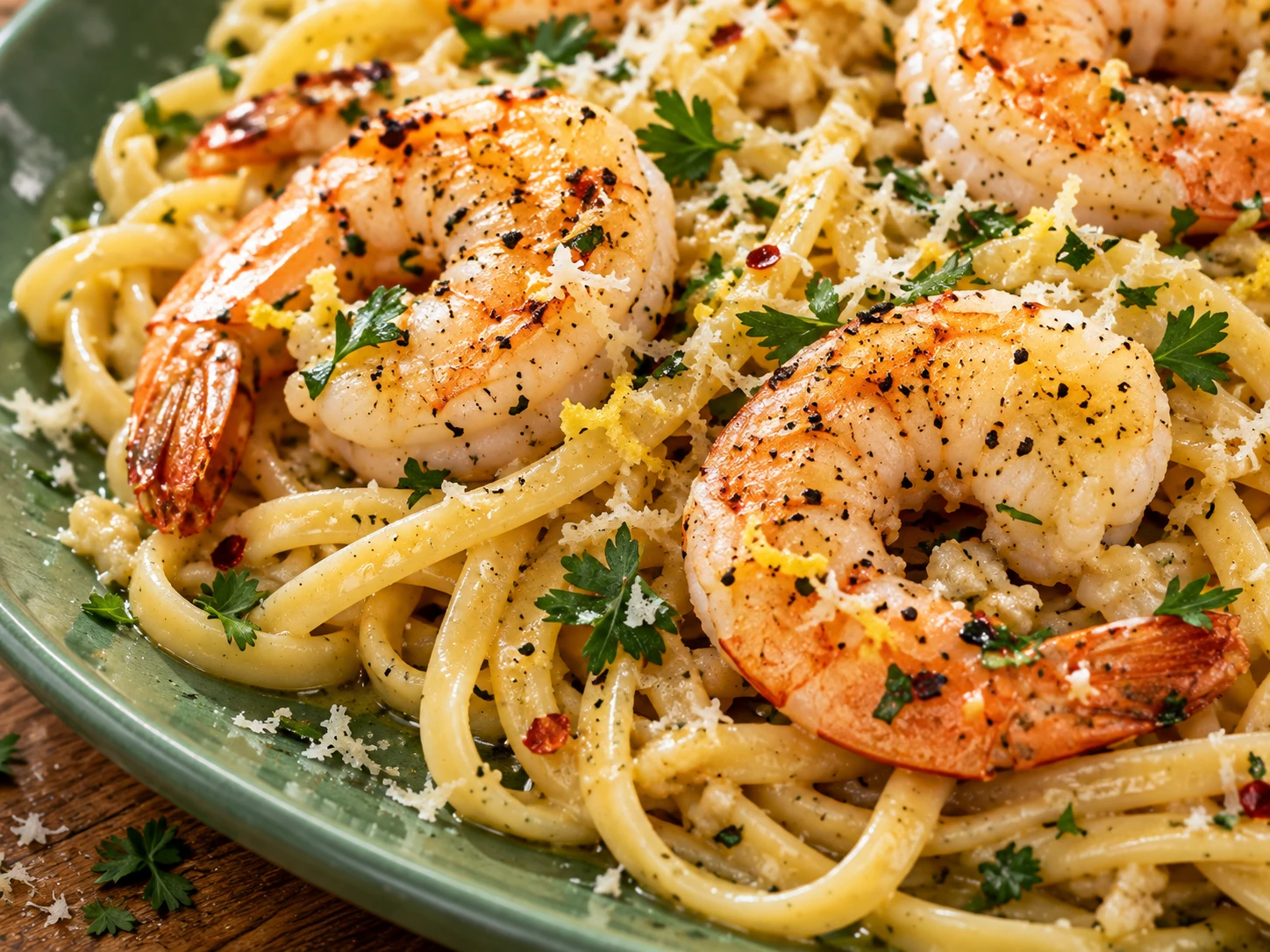
Garlic Butter Shrimp Linguine works because the bowl has balance instead of just pasta and sauce. The hearty base (Shrimp and linguine) gives the meal real staying power. The texture piece (parsley) keeps each bite from feeling one-note, whether it adds freshness, color, tenderness, or a little bite. The sauce layer (Butter, olive oil, garlic, white wine or broth, lemon juice, parmesan, and pasta water) ties everything together and gives the pasta something flavorful to hold onto. The finish (lemon zest and red pepper flakes) adds the bright, salty, creamy, or herby note that makes the dish taste complete. The trick is not rushing the skillet work. Cooking the main ingredients carefully, warming the aromatics, and loosening the sauce with pasta water all build flavor in small layers. Once you understand those little steps, the recipe feels easy instead of fussy, and the final bowl tastes more intentional than the short cook time suggests.
Before You Start
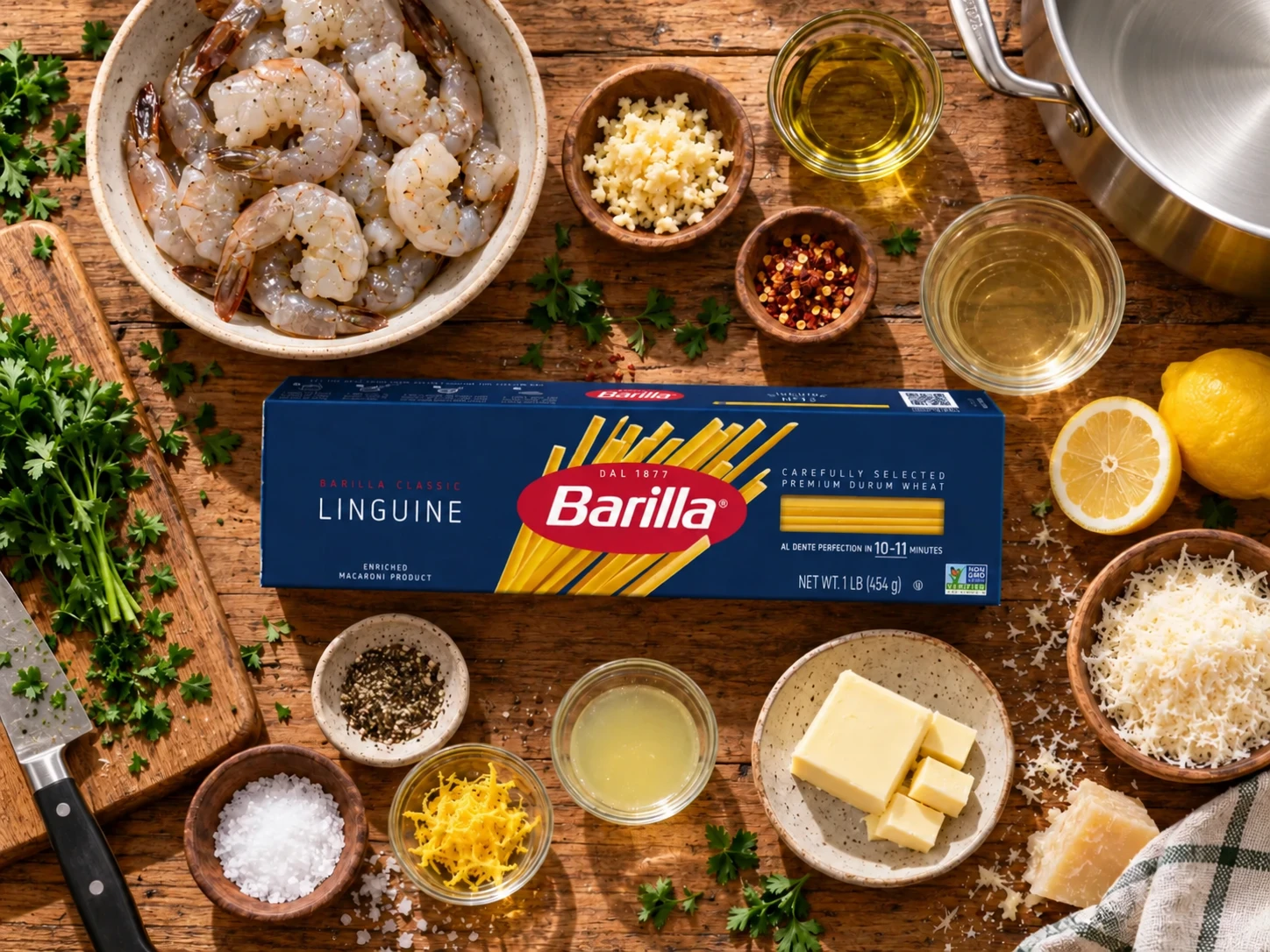
Before you start Garlic Butter Shrimp Linguine, take five quiet minutes to set up your station. Put the pasta pot, colander, 12-inch skillet, cutting board, knife, measuring cups, and tongs where you can reach them. Mince garlic, zest and juice lemon, chop parsley, measure wine or broth, grate parmesan, and dry shrimp. Keep a heatproof measuring cup beside the stove so you remember to save pasta water before draining. That one habit makes a huge difference because pasta water can loosen a thick sauce without watering down the flavor. Read the steps once, especially the part where the cooked pasta goes back into the skillet. The shrimp cooks first and comes back only at the end so it stays tender. When everything is ready before the burner turns on, the cooking feels calm and the food comes out cleaner.
Ingredient Notes & Easy Swaps
Linguine: Linguine is flat enough to hold the light butter sauce without soaking it up. Spaghetti or fettuccine work the same way. Save the pasta water no matter which shape you use, because the starch is what makes the sauce silky.
Gluten-free pasta: A corn-and-rice gluten-free linguine or spaghetti holds up best here; 100% brown rice pasta can go gummy in a butter sauce. Cook it at the low end of the package time and reserve the pasta water, which is extra starchy and helps the sauce come together.
Dairy-free swap: This sauce leans on two dairy ingredients, so replace both: use 3 tablespoons unsalted vegan butter and 1/3 cup dairy-free parmesan-style shreds or 2 tablespoons nutritional yeast. Vegan butter has more water and dairy-free parmesan does not emulsify the same way, so add the pasta water more slowly and expect a slightly looser sauce.
Dry white wine or broth: A dry white like sauvignon blanc or pinot grigio adds acidity and a little sweetness that broth cannot match. The short 2-minute reduction mellows the wine's raw flavor, but it does not guarantee that all of the alcohol is removed. Low-sodium chicken broth is the alcohol-free option; the sauce will taste rounder and less bright, so the final tablespoon of lemon matters even more.
Garlic: Six cloves is deliberate; this is a scampi-style sauce. Mince them evenly so they cook at the same rate, and keep them pale straw-colored. Jarred minced garlic browns faster and tastes duller here.
Red pepper flakes: The 1/2 teaspoon adds background warmth rather than real heat. Cut it to a pinch for a very mild version, or leave it out entirely if you are serving kids.
Lemon juice and zest: The 3 tablespoons of juice are split on purpose: 2 tablespoons cook down with the wine for depth, and the last tablespoon goes in off the heat with the zest so the sauce tastes fresh. Zest the lemon before juicing it.
Nutrition estimate: Nutrition is an estimate, not a lab measurement. It assumes regular Barilla linguine, peeled and deveined shrimp, unsalted butter, dry white wine rather than broth, grated Parmesan, and about 10% absorption of the pasta-water salt.
Garlic Butter Shrimp Linguine
Description
Garlic Butter Shrimp Linguine combines linguine and tender shrimp with butter, olive oil, garlic, white wine or broth, lemon, Parmesan, parsley, and red pepper flakes in a light, silky scampi-style sauce.
Ingredients
- 4 quarts water
- 1 tbsp kosher salt, for pasta water
- 10 oz linguine
- 1 1/4 lb large shrimp, peeled and deveined
- 3 tbsp unsalted butter
- 2 tbsp olive oil
- 6 garlic cloves, minced
- 1/2 tsp red pepper flakes
- 1/2 cup dry white wine (or low-sodium chicken broth)
- 3 tbsp fresh lemon juice
- 1 tsp lemon zest
- 1/3 cup grated parmesan
- 1/4 cup chopped fresh parsley
- 3/4 tsp sea salt
- 1/2 tsp black pepper
Instructions
- 1Equipment: a large 6-quart pot, a colander, a heatproof measuring cup, a 12-inch skillet, tongs, paper towels, a bowl for the raw shrimp, a clean bowl for the cooked shrimp, a separate clean cutting board and knife for the garlic, lemon, and parsley, measuring cups, measuring spoons, an instant-read thermometer, and serving bowls.
- 2Pour 4 quarts water into the large pot over high heat. When it reaches a strong rolling boil, add 1 tbsp kosher salt and stir. Add 10 oz linguine, pressing the strands under the water as they soften, and stir once so they do not stick.
- 3Cook the linguine for the time on the package, stirring once or twice, until tender with a small firm bite. Before draining, scoop out 1 cup of the cloudy pasta water into a heatproof measuring cup, then drain in the colander and do not rinse.
- 4Mince the garlic and chop the parsley on a separate clean produce board, and zest and juice the lemon, before you handle the shrimp. Then lay the 1 1/4 lb shrimp on paper towels, pat both sides dry, and toss them in their own bowl with 1/4 teaspoon sea salt and 1/4 teaspoon black pepper. Keep the raw shrimp in its own bowl, away from the cutting board you use for produce, and wash your hands with soap and warm water for 20 seconds after handling it. Wash the bowl, and any tool that touched raw shrimp, in hot soapy water before it touches anything ready to eat.
- 5Heat 2 tablespoons olive oil in the 12-inch skillet over medium-high heat, about 7 out of 10, until it looks thin and moves easily around the pan. Add the shrimp in one layer with space between them, cook 1 1/2 minutes, flip with tongs, and cook 1 to 1 1/2 minutes more. They are done when the thickest shrimp reads 145°F on an instant-read thermometer, or, if a thermometer is not practical with small shrimp, when the flesh is firm, pearly, and opaque all the way through with no translucent center. A loose curl is only a secondary hint; a C shape by itself does not prove doneness. Move the cooked shrimp to a clean bowl and return it to the pan only briefly at the end so it does not overcook.
- 6Lower the heat to medium and add the 3 tablespoons unsalted butter. Once it melts and foams, add the 6 minced garlic cloves and 1/2 teaspoon red pepper flakes and stir constantly for 30 to 45 seconds, until you can smell it and it is pale straw-colored. If the garlic starts to darken, lift the skillet off the burner for 10 seconds; browned garlic turns the whole sauce bitter.
- 7Pour in 1/2 cup dry white wine or low-sodium chicken broth along with 2 tablespoons of the lemon juice. Simmer 2 minutes, stirring and scraping the pan, until the liquid reduces by about half and smells mellow and rounded instead of sharp.
- 8Add the drained linguine, 1/3 cup grated Parmesan, 1/2 teaspoon sea salt, and 1/4 teaspoon black pepper. Turn the heat to low or off and toss constantly, adding the reserved pasta water 2 tablespoons at a time, until the butter, cheese, and starch come together into a glossy sauce that clings to the strands. Adding the Parmesan over low or no heat keeps it smooth instead of stringy.
- 9Return the cooked shrimp and toss gently for about 30 seconds to warm through. Off the heat, finish with the remaining 1 tablespoon lemon juice, 1 teaspoon lemon zest, and 1/4 cup chopped parsley, toss once, and serve right away.
Tips and Tricks
- 1
Dry the shrimp before they hit the pan: Press both sides on paper towels. Wet shrimp release water into hot oil, drop the pan temperature, and steam instead of searing, which leaves them pale and toughens them by the time they finish.
- 2
Keep the garlic pale: Six cloves in melted butter can go from fragrant to bitter in under a minute. Stir constantly, aim for pale straw color, and lift the skillet off the burner for 10 seconds if it starts to darken. Bitter garlic cannot be fixed once it happens.
- 3
Reduce the wine or broth properly: Give the liquid a full 2 minutes at a simmer until it reduces by about half. Skipping this leaves a thin, sharp-tasting sauce; reducing it concentrates the flavor and gives the butter something to emulsify into.
- 4
Emulsify with pasta water gradually: Add the reserved pasta water 2 tablespoons at a time with the heat low or off, tossing hard between additions. The starch binds the butter and Parmesan into a silky coating; dumping it in all at once leaves a watery pool at the bottom of the pan.
Nutrition
Serving size: 1 serving (1/4 recipe)
Calories: 575kcal, Protein: 40g, Carbs: 56g, Fat: 20g, Fiber: 3g, Sugar: 2g, Sodium: 880mg.
Nutrition information is an estimate and may vary based on ingredient brands, product sizes, preparation methods, and substitutions. It is not intended as medical or dietary advice.